
Author
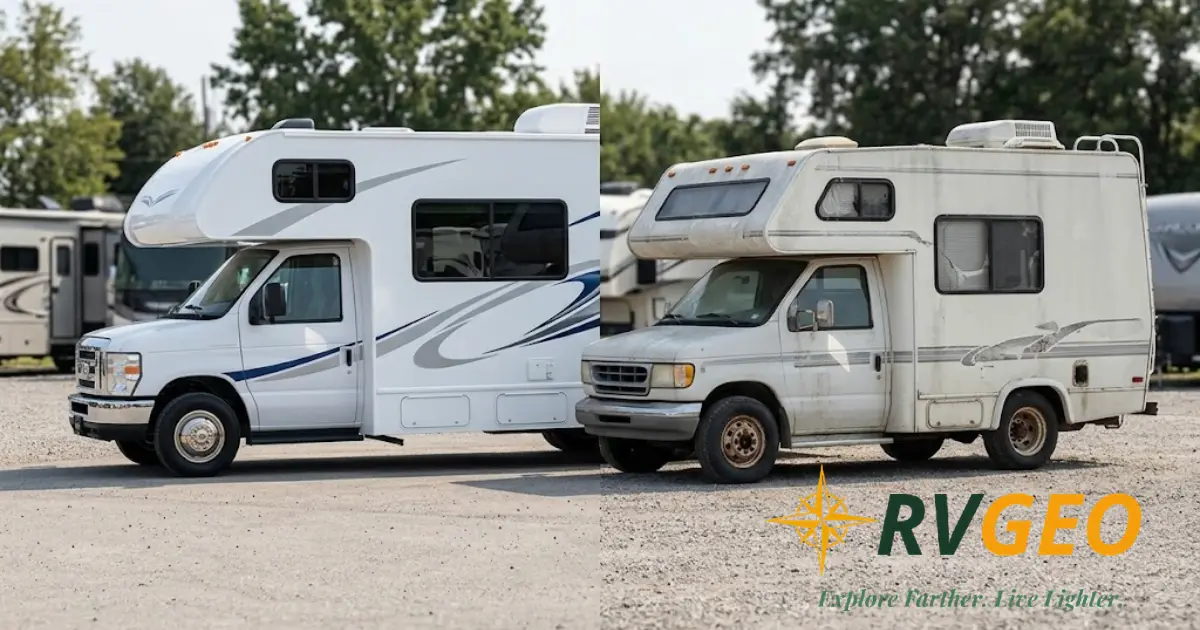
“Should I buy new or used?” is usually framed as a question about your budget. It’s the wrong question. The right one is: which costs less over the years you’ll actually own it? Answer that, and the decision makes itself.
Here’s the real math, from an inspector who’s watched both paths play out.
Why Used Usually Wins on Cost
A new RV loses the most value in its first years — often 20–30% the moment it leaves the lot and a large chunk more over the first three. That’s the depreciation cliff, and the first owner pays for it.
Buy a three-to-five-year-old rig and someone else has already absorbed that hit. You get most of the useful life, the same core systems, and a rig that’s already shaken out its factory gremlins — at a fraction of the depreciation. On a pure total-cost basis, that’s hard to beat.
The Trap: “Too Used”
There’s a floor, though. Go too old and the savings evaporate.
A very old rig brings corrosion, worn-out components, and — the real killer — parts that are no longer made. I’ve seen owners lose more on the slow bleed of deterioration and unfindable spares than they ever saved at purchase. Cheap up front, expensive to keep alive.
When New Actually Makes Sense
New isn’t wrong — it’s a different trade. You pay the depreciation premium, and in return you get a factory warranty, the latest systems, and no unknowns. If you plan to keep the rig for a decade, want specific new technology, or simply value the peace of mind of a clean-sheet unit, paying for new can be worth it. Just go in knowing you’re buying that peace of mind, not saving money.
The Sweet Spot
For most buyers, the best value sits in the middle: a moderately recent, proven model that’s been well maintained. New enough that parts and systems are still supported, old enough that someone else already paid the depreciation cliff. That’s where reliability and value meet — and it’s the same conclusion behind reliability vs purchase price.
Buying Used Safely Is the Whole Game
Used only wins if you buy sound. A cheap rig with hidden water or structural damage erases every dollar you saved. So the used-RV advantage depends entirely on one thing: inspecting before you sign.
Run the pre-purchase RV inspection checklist, bring the right inspection tools, and weigh the full picture with depreciation, maintenance & insurance before you decide. A well-inspected used rig in the sweet spot is, for most people, the smartest money in RVing.
Bottom Line
New buys you warranty and peace of mind at a premium. Used — in the age sweet spot, and properly inspected — usually wins on total ten-year cost. Neither is “right”; the right answer is whichever costs you less over the years you’ll own it.
That’s the whole theme of the RV buying and ownership decisions that save you thousands: look at the decade, not the down payment.

Published on July 23, 2026
Mike Dawson
Mike Dawson is RVGeo's lead editor, applying inspection-grade rigor to RV research - verifying manufacturer specs, testing components, and fact-checking pricing and claims before they're published. RVGeo's approach draws on a background in automotive technical inspection, applied specifically to RV electrical, power, and safety systems. Mike oversees RVGeo's foundational guides on power systems, DIY conversions, and van-life setup, with every recommendation checked against real specs and current pricing rather than assumptions.
This post contains affiliate links. If you make a purchase through these links, we may earn a commission at no extra cost to you.