Multi-Stage RV Water Filters: When You Need More Than a Single Inline Filter
When one inline filter isn’t enough. Verified specs, stage comparison, and certification guidance for multi-stage RV canister filter systems.

 Mike Dawson
When one inline filter isn’t enough. Verified specs, stage comparison, and certification guidance for multi-stage RV canister filter systems.
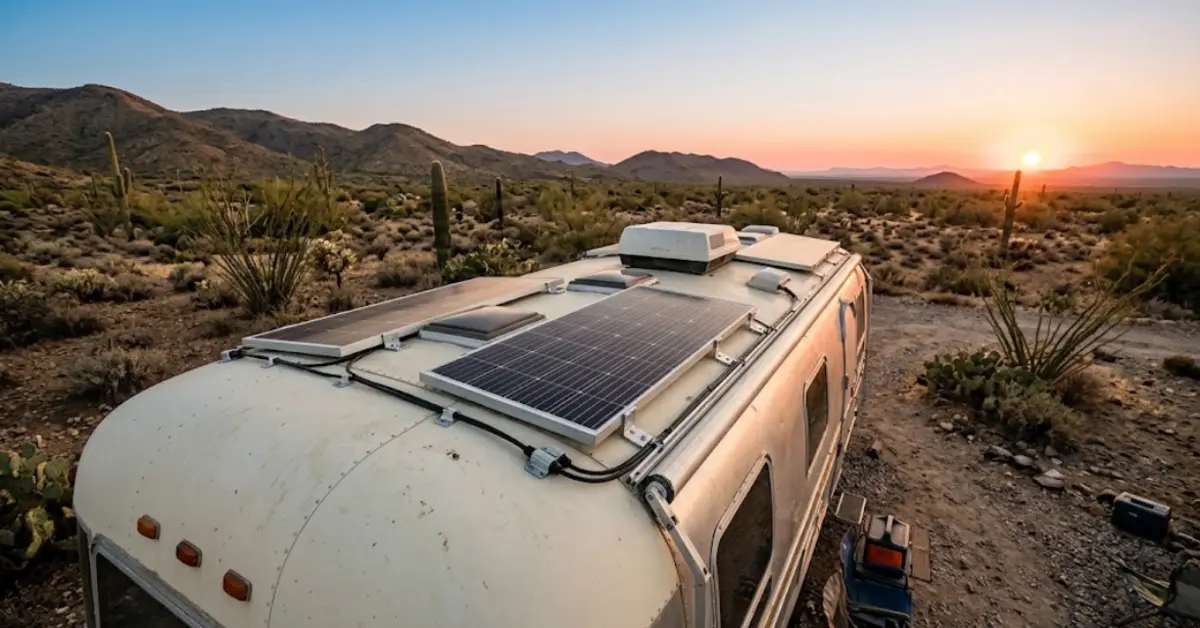
By Mohamed NajibFounder of RVGeo & Certified Technical Inspector Boondocking has changed what used-RV buyers look for. A decade ago, a shopper walking a lot cared about layout, mileage, and whether the awning worked. Today a growing share of them open the battery compartment first. Rigs with a documented lithium and solar system sell faster … Read more
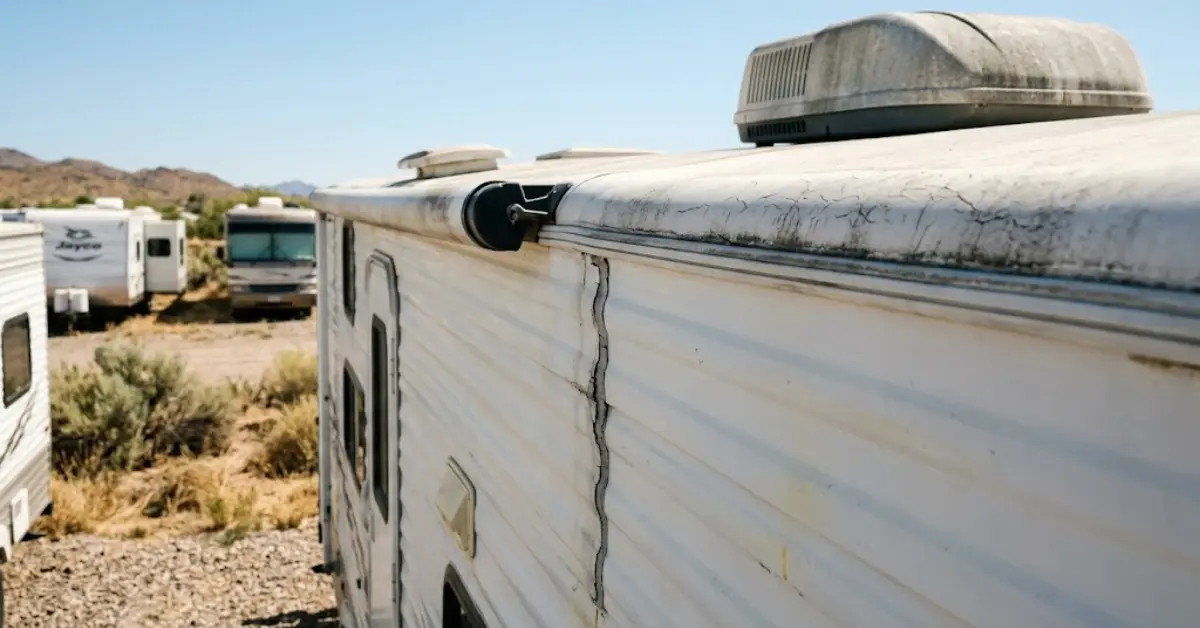
By Mohamed NajibFounder of RVGeo & Certified Technical Inspector Extended financing terms lower the monthly payment. That is the entire appeal, and it works — stretching a loan from 10 years to 15 can drop a payment by well over $100 a month. What the longer term does not change is how fast the RV … Read more
Water damage vs. collision: invisible moisture often wreaks the most havoc on an RV’s resale value in the US market. By Mike DawsonRVGeo Gear & Systems Specialist | Inspection Expertise by Mohamed Najib, Certified Technical Inspector Quick Definition What is latent water damage in an RV? Water intrusion that migrates behind interior walls and panels … Read more
UV and heat can damage more than RV paint. Learn what to inspect first, from headlights and tires to seals, roof components and solar setups.
DIY conversion saves 40-60% upfront, but the 10-year picture depends on resale value, maintenance, and whether the electrical work was ever actually verified.
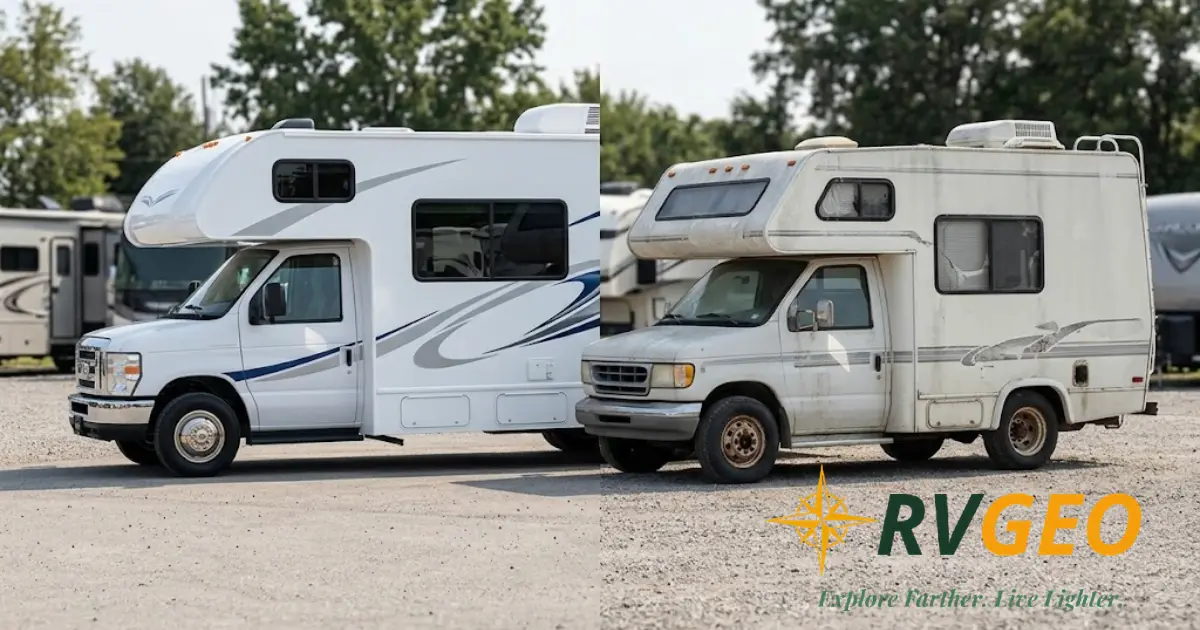
New vs used RV, decided on total 10-year cost, not sticker price: why the age sweet spot usually wins, when new is worth the premium, and how to buy used safely.
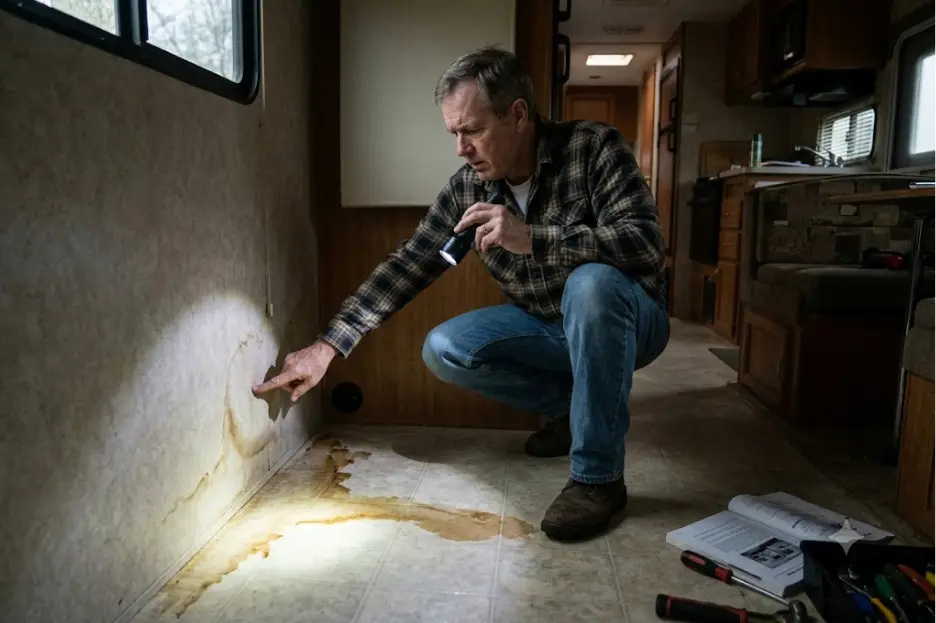
The RV mistakes that quietly cost owners the most over 10 years, from a certified inspector – ignoring water, buying damaged, skipping the inspection – and exactly how to avoid each.
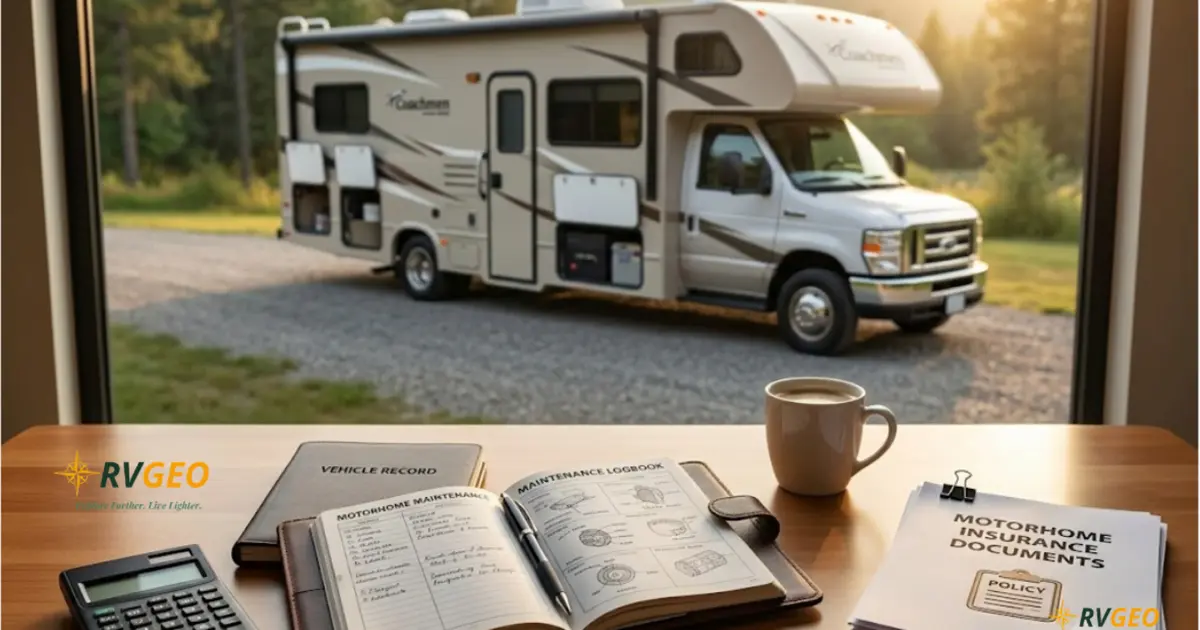
Depreciation, maintenance and insurance are not three separate RV bills – they move together. A certified inspector explains how to weigh all three and own an RV the smart way.
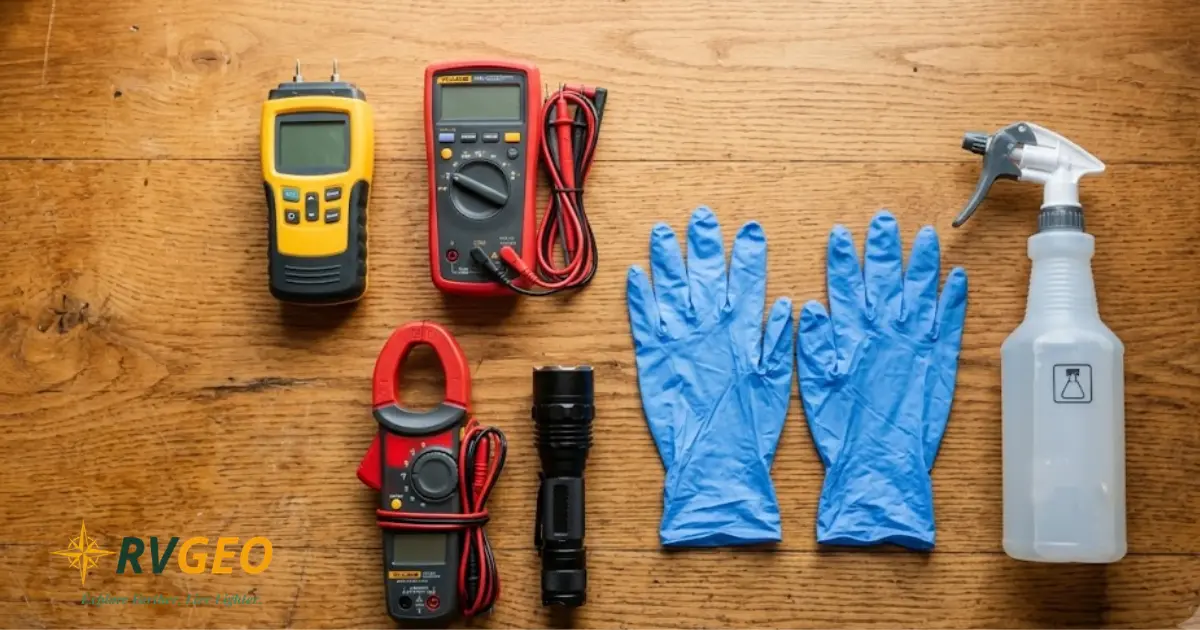
The RV inspection tools a certified inspector actually uses to check a used RV before buying – moisture meter, multimeter, clamp meter, battery tester and gas leak detector, how each works and which to buy.