
Author
Common inverter problems in RV solar systems and how to solve them
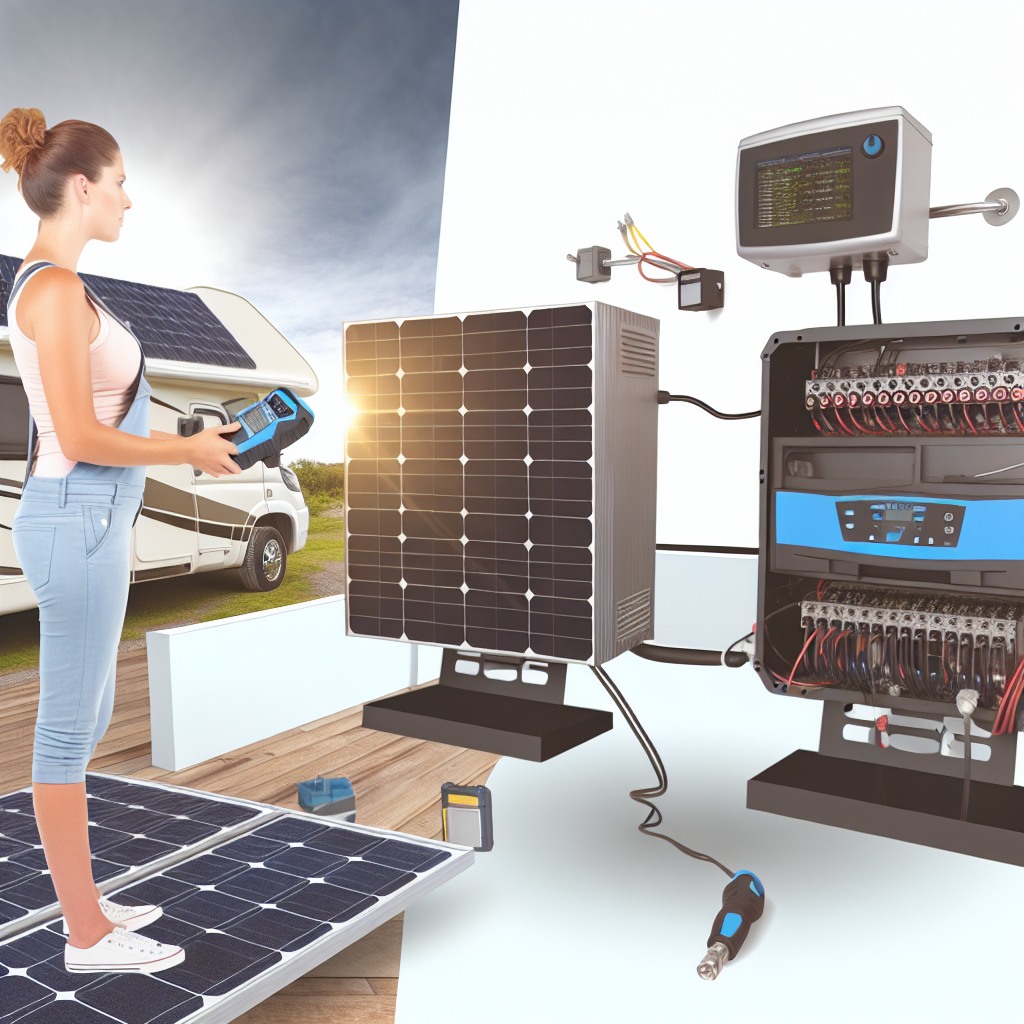
Inverters play a crucial role in RV solar systems, converting the DC power generated by solar panels into AC power used by most appliances. However, inverters can encounter various issues that disrupt energy flow and affect your RV’s power supply. Understanding these problems and how to solve them is essential for maintaining a reliable solar setup. This article explores common inverter problems and provides practical solutions to ensure your RV solar system operates efficiently.
Understanding inverter issues in RV solar systems
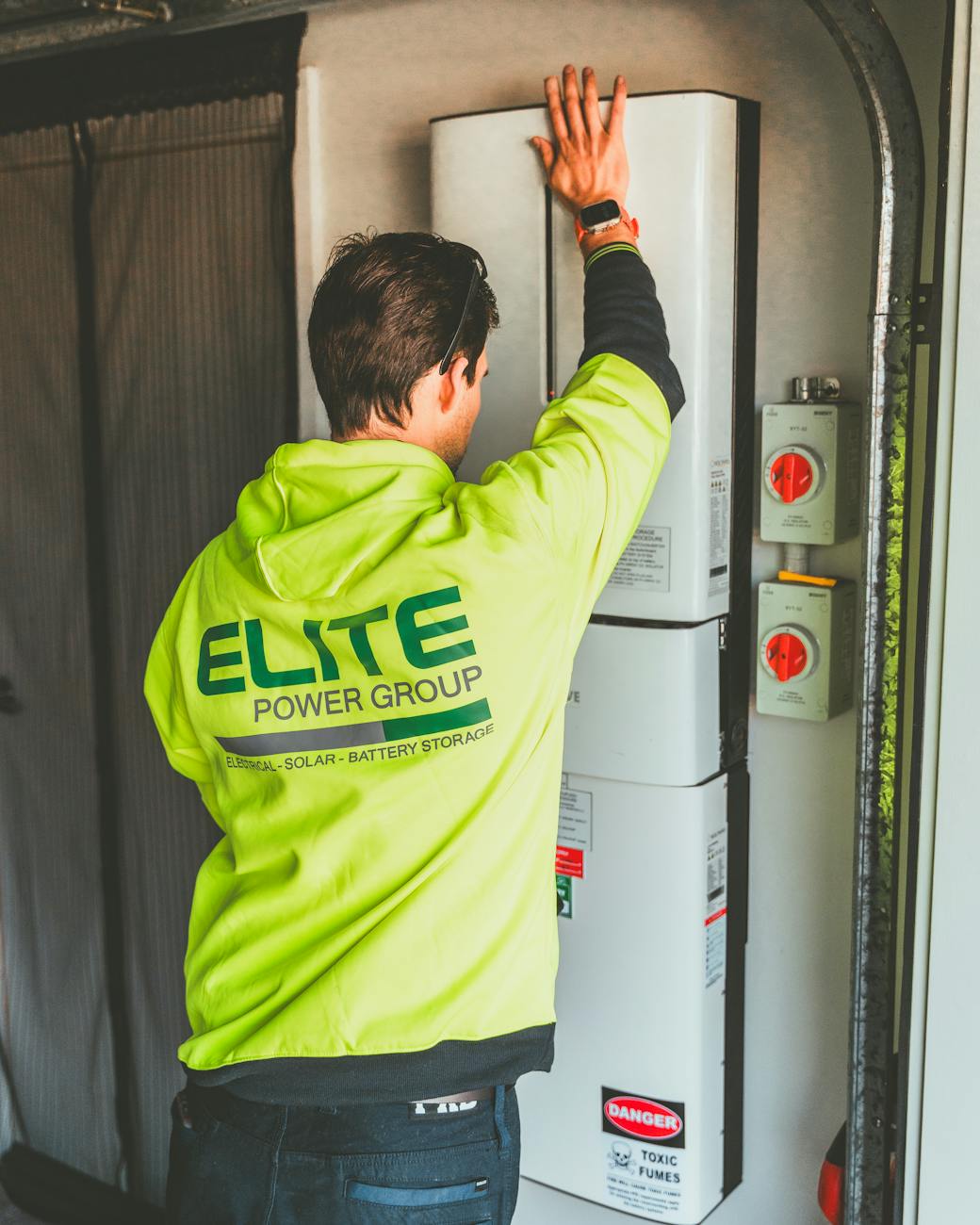
Inverters are complex devices, and their performance can be affected by several factors. Some common issues include power conversion inefficiencies, connectivity problems, overheating, and improper installation. Let’s delve into each of these problems and explore ways to address them effectively.
Power conversion inefficiencies
One of the primary functions of an inverter is to convert DC power to AC power. If an inverter is inefficient, it can lead to significant energy loss, reducing the overall efficiency of your solar system. Factors contributing to inefficiencies include poor quality inverters, aging components, and incorrect sizing.
- Solution: Invest in a high-quality inverter designed for your specific RV solar setup. Regularly check and replace aging components to maintain optimal performance. Additionally, ensure your inverter is correctly sized to handle your power needs.
- Solution: Perform regular inspections of your inverter connections and wiring. Tighten any loose connections and replace damaged cables immediately. Using high-quality cables and connectors can prevent future connectivity issues.
- Solution: Ensure your inverter is installed in a well-ventilated area, away from direct sunlight. Use fans or cooling systems if necessary to maintain a stable temperature. Monitor your inverter’s temperature regularly to prevent overheating.
- Solution: Follow installation guidelines meticulously or hire a professional to install your inverter. For those who prefer DIY installations, resources like our DIY installation tips for RV solar panels can provide valuable guidance.
- Regular inspections: Conduct periodic checks of your inverter and its components to identify potential issues early.
- System upgrades: As technology advances, consider upgrading your inverter to benefit from improved efficiency and features.
- Proper usage: Avoid overloading your inverter by adhering to the manufacturer’s recommended load limits.
Connectivity problems
Connectivity issues can arise from loose connections, faulty wiring, or damaged cables. These problems can interrupt the energy flow, resulting in power outages or inconsistent performance.
Overheating
Inverters can overheat due to prolonged usage, insufficient ventilation, or high ambient temperatures. Overheating can damage internal components, leading to reduced efficiency or complete failure.
Improper installation
Incorrect installation can lead to various problems, including poor performance and potential damage to the inverter. This issue often arises from DIY installations without proper guidance.
Preventative measures for maintaining inverter efficiency
Prevention is always better than cure. Implementing regular maintenance and monitoring practices can help avoid inverter problems and prolong the lifespan of your RV solar system.
Connecting your inverter maintenance to overall RV solar system care
Maintaining your inverter is a crucial aspect of overall RV solar system maintenance. For a comprehensive understanding of how to keep your solar system in top condition, refer to our Ultimate guide to RV solar panel setup and maintenance. This guide covers essential maintenance practices, helping you achieve optimal performance and energy efficiency.
Enhancing your RV travel experience with solar power
By addressing common inverter problems and implementing preventative measures, you can ensure a reliable power supply during your RV travels. Embracing solar technology not only enhances energy efficiency but also contributes to sustainable travel. To learn more about the benefits of solar power for RVs, visit our article on the Top 5 advantages of using solar panels in RV travels.
Troubleshooting Step by Step
When your inverter stops working correctly, work through these checks in order before assuming the unit itself has failed:
- Check battery voltage first. Most inverters shut down or fault below a minimum battery voltage (typically 10.5V on a 12V system) to protect the battery from over-discharge. A “low battery” fault is often the battery bank, not the inverter.
- Verify wire gauge and connection tightness. Undersized cables between the battery and inverter cause voltage drop under load, which can trigger shutdowns that look like inverter faults but are actually wiring problems.
- Check for overheating. Inverters derate or shut down when they overheat, especially in poorly ventilated compartments or during sustained high-load use. Confirm the cooling fan is running and vents aren’t blocked.
- Test with a smaller load. If the inverter faults immediately on startup with a large appliance, the issue may be surge capacity rather than a hardware fault — try a smaller device to isolate the problem.
When to Replace vs Repair
Modified sine wave and pure sine wave inverters are largely non-serviceable electronics — if the internal circuitry has failed (as opposed to a wiring, ventilation, or battery-related fault), replacement is almost always more practical than repair. Budget 5-8 years as a realistic lifespan for a quality inverter under regular RV use, with sustained overheating and chronic undersizing for the load being the two factors most likely to shorten that lifespan significantly.
Frequently Asked Questions
Why does my inverter work fine with small loads but shut off with larger appliances?
This usually indicates the inverter is undersized for the appliance’s startup surge, or that voltage drop from thin/long cable runs is pulling battery voltage below the inverter’s low-voltage cutoff under heavy load.
Is it normal for an inverter to get warm during use?
Yes, moderate warmth is normal. Hot to the touch, or the fan running constantly at high load, indicates the inverter is working near its limit and may benefit from better ventilation or a larger unit for your actual power needs.

Published on March 8, 2026
Mike Dawson
Mike Dawson is RVGeo's lead editor, applying inspection-grade rigor to RV research - verifying manufacturer specs, testing components, and fact-checking pricing and claims before they're published. RVGeo's approach draws on a background in automotive technical inspection, applied specifically to RV electrical, power, and safety systems. Mike oversees RVGeo's foundational guides on power systems, DIY conversions, and van-life setup, with every recommendation checked against real specs and current pricing rather than assumptions.
This post contains affiliate links. If you make a purchase through these links, we may earn a commission at no extra cost to you.