
Author
By Mike Dawson
RVGeo Gear & Systems Specialist | Inspection Expertise by Mohamed Najib, Certified Technical Inspector
Quick Definition
What is latent water damage in an RV? Water intrusion that migrates behind interior walls and panels without immediately visible symptoms. In North American RVs built with wood framing, trapped moisture causes structural rot, insulation contamination, toxic mold growth, and exterior sidewall delamination.
Why Water Intrusion Destroys RV Resale Value More Than Any Accident
Q: How much does water damage affect an RV’s real-world market value?
In the North American RV market, two RVs of the exact same year, make, and model can carry drastically different real-world values. While an untrained buyer focuses on superficial curb appeal, a seasoned technical inspector looks for water intrusion-the single biggest factor destroying an RV’s financial value, far surpassing minor frame dents or body scratches.
Cosmetic Scratches vs. Water Intrusion
Q: Why do buyers react differently to scratches versus water stains?
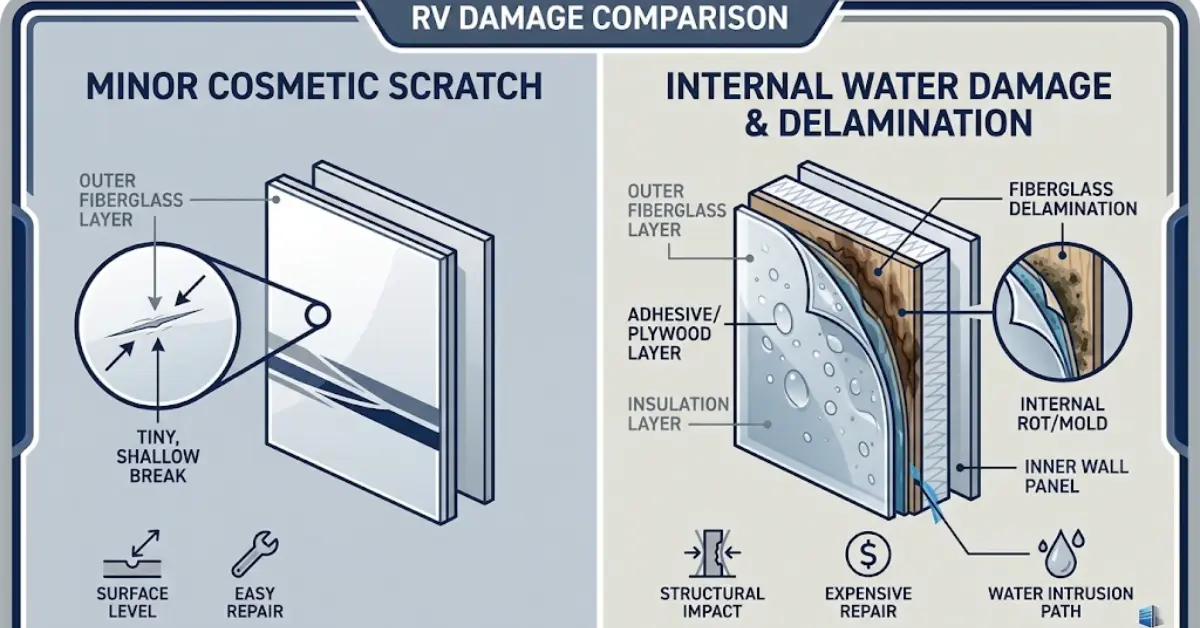
A cosmetic scratch has a known repair cost. Water damage’s true cost remains unknown until walls are opened and structural assessment is complete. The market always assumes worst-case scenario and deducts a heavy risk premium from the purchase price.
The US Insurance Trap: What Your Policy Will NEVER Cover
Q: Does my RV insurance cover water damage from leaks?
US insurance policies maintain a strict legal distinction between two types of damage: Covered Events (sudden and accidental water damage) and EXCLUDED Events (wear and tear, gradual degradation, or lack of maintenance).
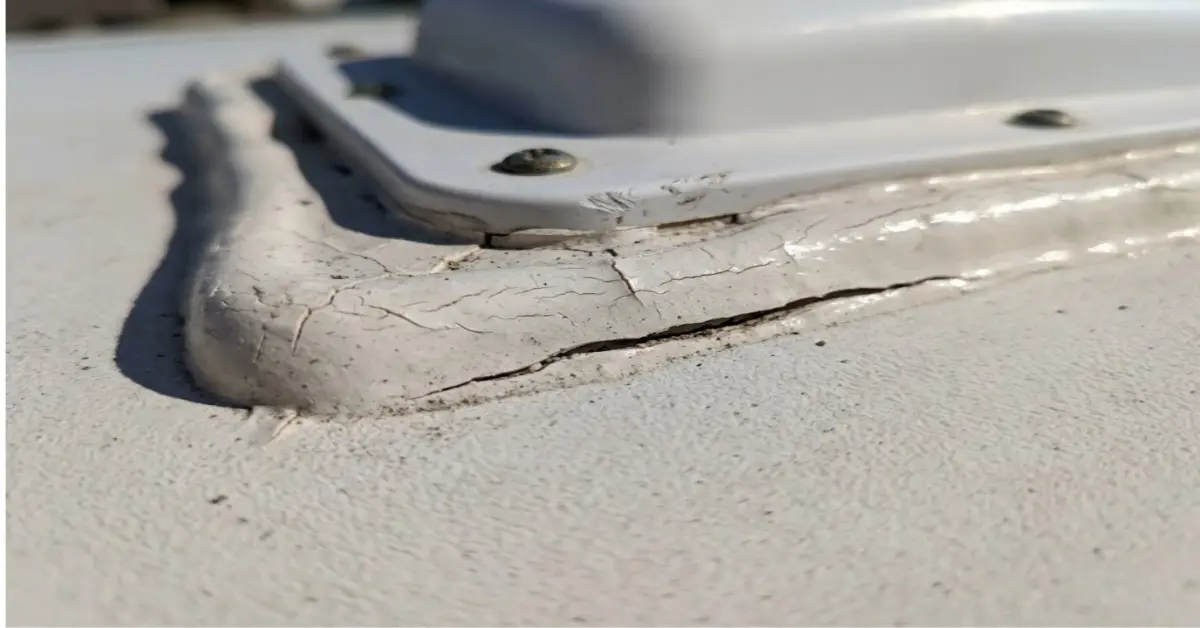
If a roof lap sealant or window seam cracks over time due to UV exposure and slowly lets water seep in, the insurance adjuster will flag the claim under “Lack of Maintenance.” The claim will be denied. Related Reading: Understand how UV damage deteriorates sealants in our detailed guide: RV Sun Damage: What UV and Heat Actually Damage First – learn the science behind sealant failure and how to protect them proactively.
Preserving Value: Documented Preventative Maintenance
Q: How do I protect my RV from water damage and preserve resale value?
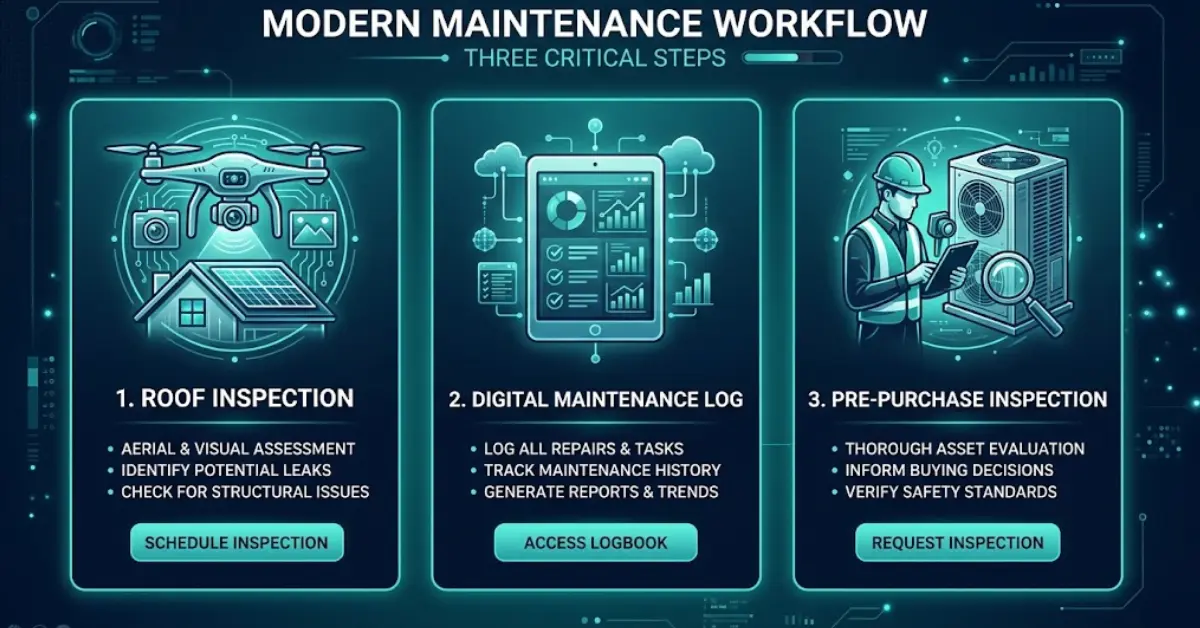
To protect your RV’s resale value, conduct a thorough visual and physical inspection of your roof lap sealants, roof penetrations, and window frames at least every 90 days. Use a dedicated tracking tool like RV LIFE Maintenance to keep a time-stamped digital logbook-your ultimate proof to reassure a prospective buyer.
FAQ: Water Damage & RV Resale
Q: How much does water damage cost to repair? Full structural remediation ranges from $5,000 to $20,000+ depending on extent.
Q: Can I sell an RV with known water damage? Yes, but expect a 40-60% price reduction.
Q: How often should I inspect my RV’s seals? Every 90 days minimum, especially if parked in direct sun.
Conclusion
In the US RV market, water damage is the silent value killer. Insurance won’t cover gradual leaks-only sudden, accidental water events qualify. Your only defense: Documented preventative maintenance every 90 days, immediate repair of any leak source, and a complete digital logbook. The RV market rewards discipline. Protect your investment. Document everything.
About the Author
Mike Dawson is the gear and systems specialist for RVGeo. Inspection Expertise by Mohamed Najib, Certified Technical Inspector with 19 years of RV diagnostics experience.
?? PROTECT YOUR RV INVESTMENT
Track your vehicle maintenance with RV LIFE Pro (Trip Wizard, RV GPS & Maintenance Tracker).
?? Explore RV LIFE Pro & Secure Your RV’s Value
Related Reading:

Published on August 15, 2026
Mike Dawson
Mike Dawson is RVGeo's lead editor, applying inspection-grade rigor to RV research - verifying manufacturer specs, testing components, and fact-checking pricing and claims before they're published. RVGeo's approach draws on a background in automotive technical inspection, applied specifically to RV electrical, power, and safety systems. Mike oversees RVGeo's foundational guides on power systems, DIY conversions, and van-life setup, with every recommendation checked against real specs and current pricing rather than assumptions.
This post contains affiliate links. If you make a purchase through these links, we may earn a commission at no extra cost to you.