
Author
Solar generator for RV: complete guide for power and autonomy Author: Mike, RV traveler and gear power specialist.

Author: Mike Dawson
39 years old, RV traveler and gear power specialist.
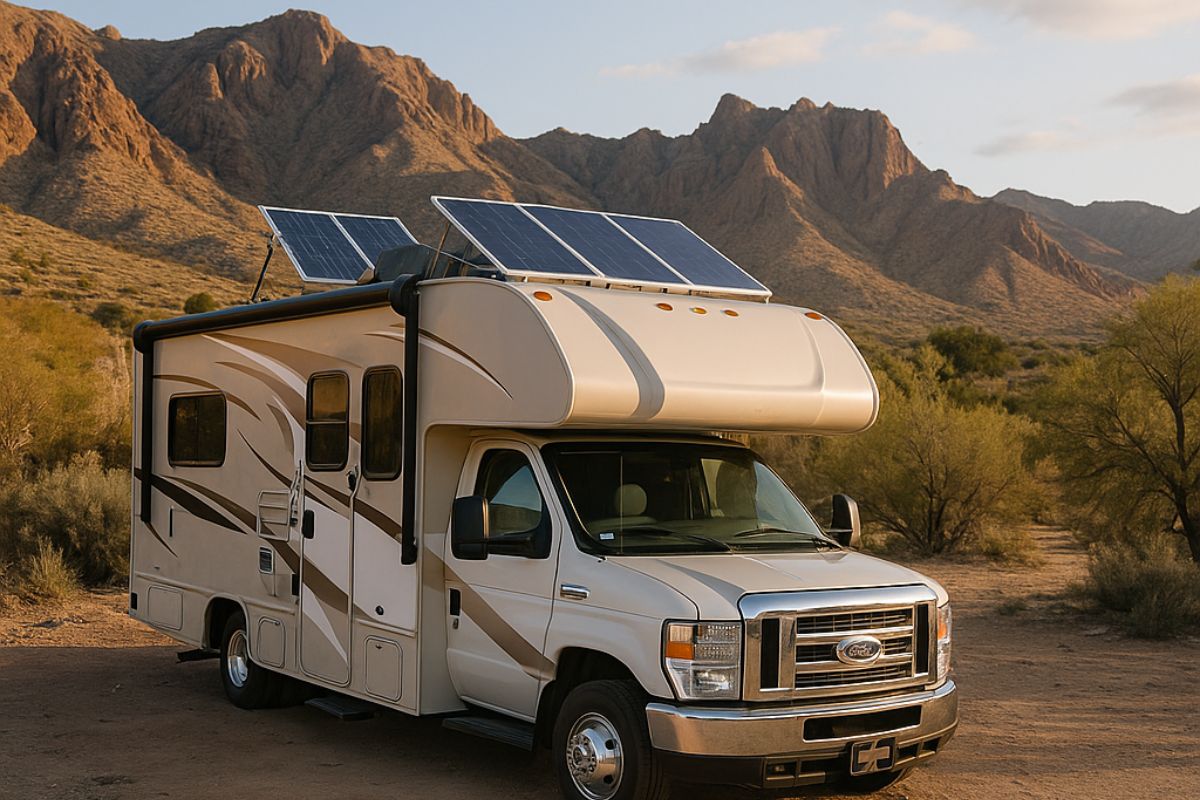
A solar generator for RV has become one of the most reliable ways to stay powered while traveling. A well-balanced solar setup keeps the fridge cold, charges electronics, supports remote work and maintains comfort far from hookups. Yet many travelers face similar issues. A battery that empties too fast. Solar panels not producing enough. A system that looks good on paper but struggles on the road.
After years of traveling across Nevada, Montana and Colorado, I learned that a stable system depends on three things. Understanding daily energy use, choosing the right battery capacity and matching it with the right amount of solar power. This guide brings together those elements to help build a dependable solar generator for RV. Each section connects naturally to a more detailed page, such as the RV solar power calculator breakdown for travelers who want precise calculations.
1. Sizing a solar generator for RV:
Sizing determines the long-term reliability of the system. A generator that is too small forces you to limit device use. A generator that is too large becomes expensive and difficult to recharge. The goal is balance.
Start with total daily energy consumption. Fridge, lighting, fan, laptop, router, USB devices. Once watt-hours are understood, it becomes possible to choose the right battery capacity. Light users often need 500–700 Wh. Remote workers or long-term travelers usually need 1000–1500 Wh.
The RV solar power calculator page goes deeper into the math and offers examples across various U.S. regions.

2. Understanding watt-hours for accurate planning:
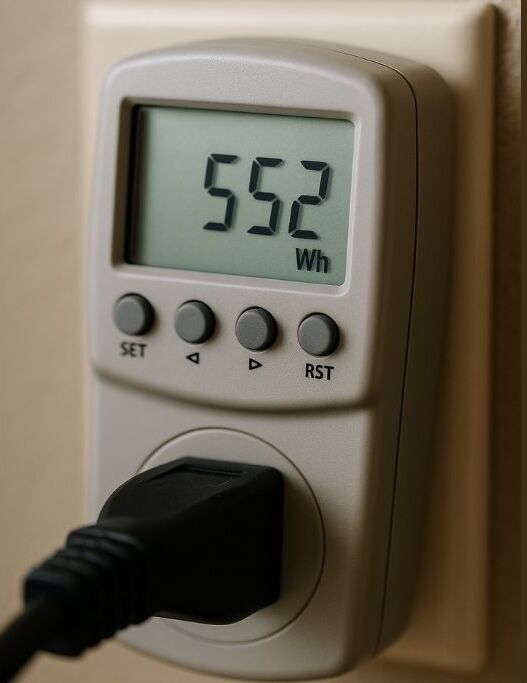
Watt-hours are the foundation of RV energy planning. The calculation is simple. Power multiplied by hours gives the daily consumption of each device. A 12 V fridge may exceed 500 Wh a day. A laptop charge uses around 50–90 Wh.
Small devices running nonstop are often underestimated. A portable router left on twelve hours may consume more than a water pump. Watt-hour calculations reveal where energy is lost and where adjustments can improve autonomy.
For more detailed methods, the dedicated how to calculate watt hours page expands on these principles.
3. Real-world appliance runtime in an RV:
Theory is helpful but real runtime depends on temperature, habits and usage cycles. A fridge consumes more during heat waves. Electronics sometimes pull more power as they age. Fans become essential in desert regions but barely matter in winter.
Measuring a full 24-hour cycle remains the most accurate method. Listing devices, wattages and usage hours gives a clear picture. It also helps schedule charging activities during peak solar hours, which greatly improves autonomy.
The RV power consumption page compares runtimes for the main RV appliances.

4. How many solar panels an RV really needs:
Travelers often ask how many solar panels do I need. Solar power is the main way to recharge a solar generator for RV. A 100 W panel typically produces 250–350 Wh per day in real conditions.
A minimal setup works with 200 W in sunny southern states. In the Pacific Northwest or northern regions, that same 200 W setup becomes weaker. A 300–400 W configuration offers stronger resilience across climates, especially for those who work on the road.
For region-specific calculations, the how many solar panels do I need guide provides several recommended setups.

5. Why the ideal solar range is 200–400 W:
Most effective RV setups fall between 200 and 400 watts of solar. This range offers enough production for essentials without complicating the system. A 200 W panel may produce 500–800 Wh per day. A 400 W setup can go above 1000 Wh, which supports fridges, electronics and moderate remote work.
After years of testing everything from 100 to 600 W, I found 300–400 W to be the most practical. It stays light, efficient and adaptable to varied U.S. conditions.
The best solar panels for RV page showcases real setups based on this range.

6. RV charging methods for stable autonomy
Solar is important but not enough on its own. Alternator charging restores a good amount of energy while driving. Shore power offers a fast recharge before remote stays. Mixed charging combines all sources for maximum flexibility.
On long drives from Las Vegas to Salt Lake City, alternator charging often restored half of my solar generator capacity. This weather-proof method is essential for cloudy regions. Shore power resets the system before entering remote landscapes.
A full breakdown is available on the RV charging methods page.
Final thoughts:
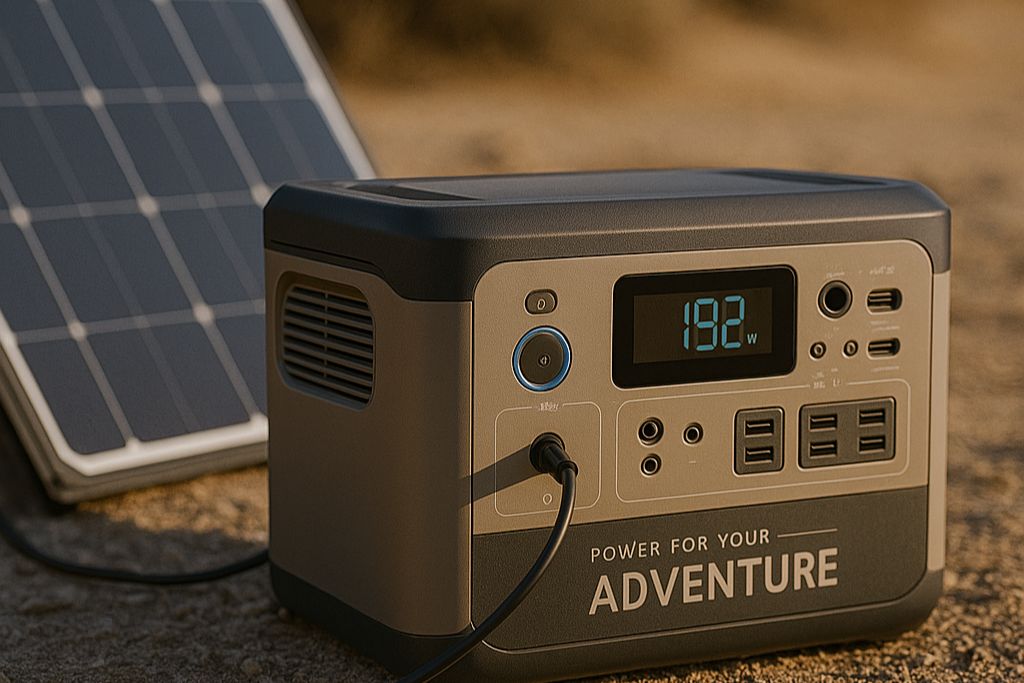
A solar generator for RV becomes reliable when daily needs, battery capacity and solar input work together. Charging methods complete the system and keep it efficient across all regions. For travelers who want to optimize their solar roof and calculate ideal panel quantity, the how many solar panels do I need page is the natural next step.
Matching Solar Input to Battery Capacity
A common mistake is sizing the battery bank generously while underinvesting in solar input, leaving no way to actually recharge the system in a reasonable timeframe. As a rule of thumb, aim for 10-15 watts of solar per amp-hour of lithium battery capacity — a 200Ah bank pairs well with 300-400W of solar for reliable daily recharge in typical sun conditions. Falling well below this ratio means the battery bank effectively becomes a one-time reserve rather than a system that sustains itself day after day.
Choosing Between Fixed, Portable, and Mixed Solar Setups
Fixed rooftop panels are the most efficient use of space and require no daily setup, but can’t be repositioned to chase sun around obstacles like trees or buildings. Portable panels can be moved into direct sun and angled for maximum output, at the cost of daily setup and breakdown. Many full-time boondockers run a mixed setup — a solid fixed array for baseline daily charging, supplemented by portable panels on days when the parking spot doesn’t offer good rooftop sun exposure.
Frequently Asked Questions
How much solar do I need for a full-time RV setup?
Most full-timers with moderate daily energy use (fridge, lighting, devices) land in the 400-600W range with a 200-300Ah lithium battery bank, though higher-drain setups with air conditioning or heavy appliance use require significantly more of both.
Can I add more solar panels later instead of buying a large system upfront?
Yes, provided your charge controller has headroom for the additional amperage — sizing the controller with margin upfront (see our charge controller guide) makes future panel additions straightforward.

Published on November 20, 2025
Mike Dawson
Mike Dawson is RVGeo's lead editor, applying inspection-grade rigor to RV research - verifying manufacturer specs, testing components, and fact-checking pricing and claims before they're published. RVGeo's approach draws on a background in automotive technical inspection, applied specifically to RV electrical, power, and safety systems. Mike oversees RVGeo's foundational guides on power systems, DIY conversions, and van-life setup, with every recommendation checked against real specs and current pricing rather than assumptions.
This post contains affiliate links. If you make a purchase through these links, we may earn a commission at no extra cost to you.