
Author
Embarking on the journey of setting up your van interior can be both exciting and daunting. Whether you’re a seasoned traveler or a beginner, transforming your van into a comfortable and functional living space requires thoughtful planning and execution.
Understanding your travel style and needs
Before diving into the specifics of van interior setup, it’s crucial to assess your travel style and needs. Are you planning to live in your van full-time or use it for weekend getaways? Do you require a lot of storage space, or is a minimalist approach more suited to your lifestyle? Answering these questions will guide your decisions in designing a van that fits perfectly with your needs.
Choosing the right layout
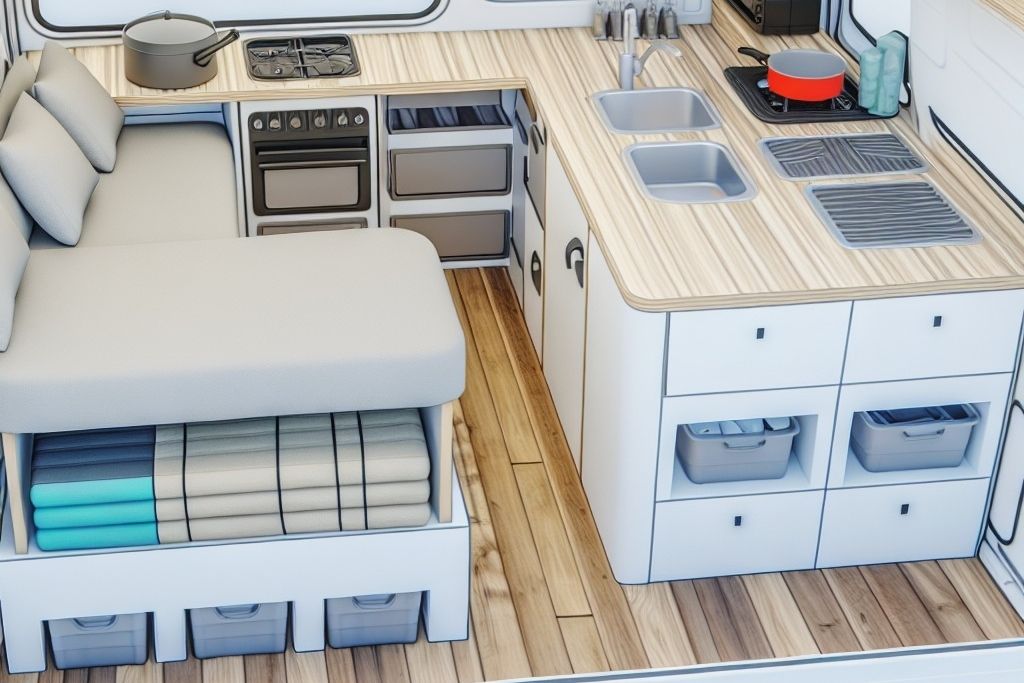
The layout of your van is the backbone of your setup. It dictates how you use the space and impacts your comfort and functionality. Popular layout options include the classic linear layout, the L-shaped kitchen, and the dinette-to-bed conversion. Consider your daily routines and how you move around in the space to choose the best layout for your van.
Step-by-step guide to choosing a layout
- Measure your space: Start by measuring the interior dimensions of your van to understand what you’re working with.
- Sketch your ideas: Create rough sketches of different layout ideas to visualize the space.
- Consider multi-functional furniture: Opt for furniture that can serve multiple purposes, such as a bed that transforms into a seating area.
- Plan for movement: Ensure there’s enough space to move around comfortably, especially if you’re sharing the van with a travel companion.
Setting up power systems
A reliable power system is essential for a successful van life experience. Depending on your needs, you might consider solar panels, a dual-battery setup, or a generator. Each option has its pros and cons, and the right choice depends on your energy consumption and budget.
Power setup checklist
- Calculate your power needs: List all the appliances and devices you plan to use and calculate their total power consumption.
- Choose a power source: Decide between solar panels, battery systems, or generators based on your needs.
- Install safely: Follow safety guidelines and, if needed, consult a professional for installation.
Water systems and storage solutions
Having access to clean water is vital for any road trip. Whether you’re using a simple jerry can or a more complex plumbing system, planning your water storage and usage is key.
Water system essentials
- Plan your water usage: Consider how much water you’ll need for drinking, cooking, and washing.
- Select storage options: Choose between portable water tanks or built-in systems based on your van’s size and your needs.
- Ensure cleanliness: Regularly clean and maintain your water storage to prevent contamination.
Creating a cozy RV kitchen setup
Your kitchen setup can make or break your van life experience. From choosing the right appliances to ensuring ample storage, every detail counts.
Key components of an RV kitchen
- Opt for compact appliances: Choose space-saving appliances that meet your cooking needs.
- Maximize storage: Use every inch of space for storage, including shelves, drawers, and hooks.
- Plan for ventilation: Ensure proper ventilation to avoid odors and condensation.
Designing a comfortable RV bedroom setup
A good night’s sleep is crucial for enjoying your travels. Designing a cozy and functional bedroom space in your van involves choosing the right bed type and optimizing storage.
Essentials for a comfortable RV bedroom
- Choose the right bed: Decide between a fixed bed, a foldable option, or a convertible design based on your space and comfort preferences.
- Optimize storage: Utilize under-bed storage and wall-mounted shelves to keep your space organized.
- Create a calming atmosphere: Use soft lighting and cozy textiles to enhance relaxation.
By following these guidelines, you can create a van interior setup that is both functional and personalized to your lifestyle, ensuring a comfortable and memorable RV adventure.
Going Deeper on Each System
This overview touches the major systems briefly, but each one deserves its own careful planning before you buy or install anything. For power, start with our Lithium vs AGM battery guide, then size your system with our battery bank sizing guide and solar panel sizing guide. For the bedroom specifically, our dedicated bedroom design guide covers mattress upgrades, storage, and lighting in depth.
Common Layout Mistakes First-Time Builders Make
Designing before measuring precisely: Sketching layout ideas before taking exact interior measurements — including obstructions like wheel wells and roof curvature — leads to furniture plans that don’t actually fit. Measure first, sketch second.
Underestimating storage needs: Most first-time builders plan storage for a weekend trip’s worth of belongings, then discover they’re living with far more gear once full-time or extended travel begins. Building in 20-30% more storage capacity than your initial estimate avoids a frustrating retrofit later.
Ignoring weight distribution: Heavy items (batteries, water tanks, tools) placed without considering axle weight distribution can put a van over its GVWR on one axle even while under the total weight limit. Plan heavy component placement early, not as an afterthought once the layout is otherwise finalized.
Frequently Asked Questions
Should I hire a professional for the full build or do it myself?
Most van builders handle carpentry and finishing themselves but hire a professional for electrical and gas line work specifically, where mistakes carry real safety risk and often void insurance coverage if done incorrectly.
How long does a full van interior build typically take?
A first-time DIY build usually takes 3-6 months of weekend work, while professional conversions range from 4-12 weeks depending on complexity and how customized the layout is.

Published on December 6, 2025
Michael Carter
Michael Carter covers RV solar, batteries, and power systems for RVGeo, focusing on component specs, wiring safety, and system sizing. His guides break down solar arrays, charge controllers, inverters, and battery banks using manufacturer documentation and verified pricing, with an emphasis on the electrical safety fundamentals that matter most in a moving vehicle.
This post contains affiliate links. If you make a purchase through these links, we may earn a commission at no extra cost to you.