
Author

Starter kits for beginners: Gear & power solutions
Embracing the world of solar energy for your RV can be a daunting task, especially for newcomers. Fortunately, starter kits designed for beginners simplify this transition, providing all the essential components needed to get your RV solar system up and running. In this guide, we’ll explore the best starter kits available, their components, and how these kits can ease the process of integrating solar power into your RV lifestyle.
Understanding the components of RV solar starter kits
Before diving into the specifics of various kits, it’s crucial to understand what a typical starter kit includes and how each component contributes to the overall system.
Solar panels
The core of any solar starter kit is the solar panels themselves. These panels capture sunlight and convert it into electricity, which can be used to power your RV’s appliances and systems. Most starter kits include one or more panels, with varying wattage to suit different energy needs.
Charge controller
Another essential component is the charge controller. This device regulates the voltage and current coming from the solar panels to prevent overcharging of your batteries. It’s a critical component for maintaining battery health and prolonging their lifespan.
Inverter
While not always included in basic starter kits, an inverter is necessary for converting the direct current (DC) produced by solar panels into alternating current (AC), which is used by most household appliances. Some kits may include a basic inverter, while others may require a separate purchase.
Wiring and mounting hardware
Starter kits typically come with all the necessary wiring and mounting hardware. This includes cables, connectors, and brackets needed to securely attach the panels to your RV and connect all components.
Top starter kits for RV solar systems
Now that you’re familiar with the components, let’s review some of the best starter kits on the market designed for beginners.
Renogy 200W Starter Kit
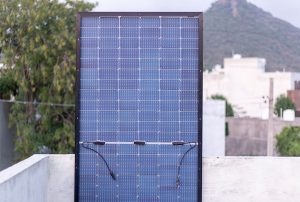
The Renogy 200W Starter Kit is a popular choice for beginners. It includes two 100W monocrystalline solar panels, a 30A PWM charge controller, and all the necessary cables and mounting hardware. This kit is known for its ease of installation and reliable performance, making it an excellent option for those new to solar energy.
Eco-Worthy 200W Solar Power Kit
The Eco-Worthy 200W Solar Power Kit offers a similar setup with two 100W solar panels and a 20A charge controller. Additionally, this kit includes an inverter, making it a more comprehensive solution for those seeking a complete setup right out of the box.
WindyNation 200W Solar Panel Kit
The WindyNation 200W Solar Panel Kit is another excellent choice, featuring two 100W solar panels, a 30A P30L charge controller, and all necessary installation components. This kit is praised for its high-quality panels and robust charge controller, ensuring efficient energy conversion and battery protection.
Benefits of using starter kits
Starter kits offer several advantages for beginners:
- Simplicity: Designed for easy setup, these kits simplify the installation process, allowing beginners to bypass complex setups.
- Cost-effectiveness: Bundling all necessary components into a single package often results in a lower overall cost compared to purchasing each component separately.
- Reliability: Components in starter kits are often pre-selected to work well together, minimizing compatibility issues and ensuring efficient performance.
How to choose the right starter kit for your needs
Choosing the right starter kit involves understanding your RV’s specific energy needs. For guidance on this, refer to our article on how to calculate your RV’s energy needs. Consider factors such as the number of appliances you’ll be running and your typical camping locations.
Additionally, it’s vital to understand the impact of regional sun hours on your solar setup. For more insights, explore our discussion on the impact of regional sun hours on your RV solar setup.
Expanding your solar system beyond the starter kit
While starter kits provide a fantastic entry point into solar energy, you may eventually want to expand your system. This could involve adding more panels, upgrading your inverter, or switching to a more efficient battery type. For detailed advice on battery selection, check our guide on choosing the right battery for your RV solar system.
For a comprehensive overview of all aspects of RV solar systems, visit our ultimate guide to sizing your RV solar system for off-grid adventures.