Author

How spring and fall affect RV solar energy production
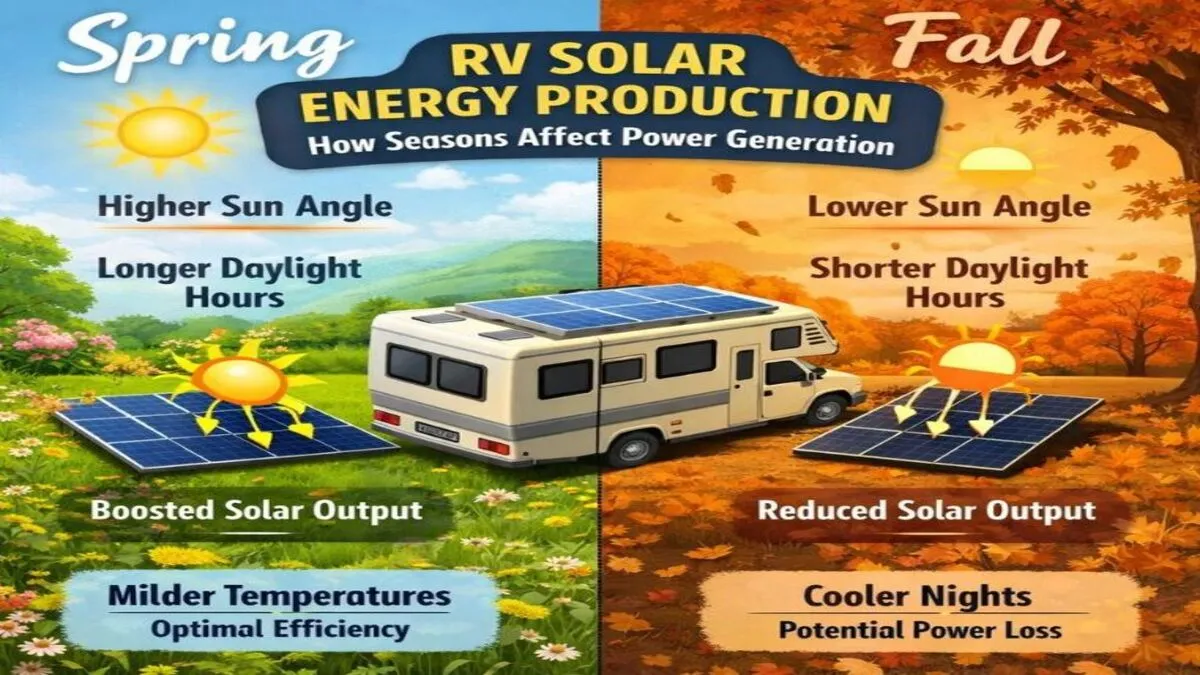
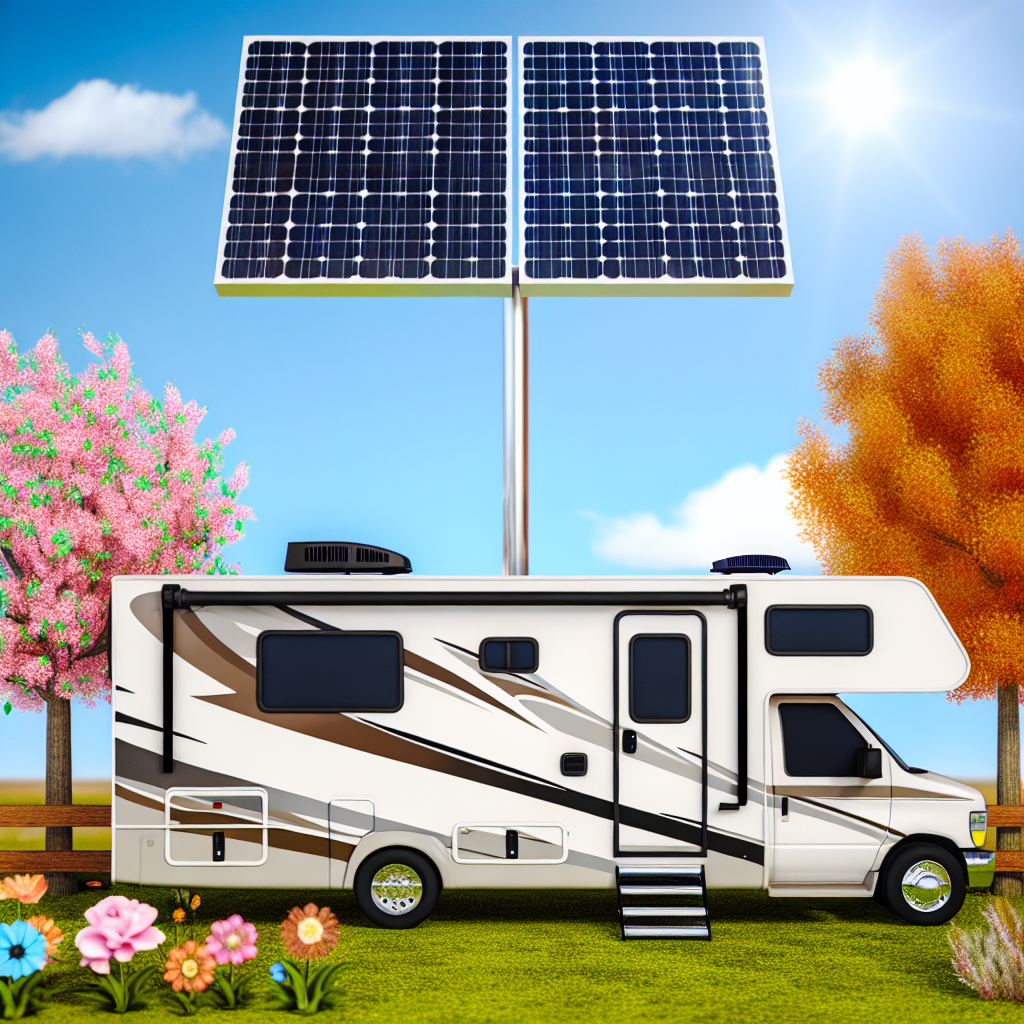
Spring and fall present unique challenges and opportunities for RV solar energy systems. With their moderate temperatures and unpredictable weather patterns, these seasons can significantly influence the efficiency of solar panels. This article explores how to optimize your RV solar setup during these transitional periods to ensure maximum energy production. For a comprehensive guide on managing solar efficiency year-round, see our article on Seasonal adjustments for RV solar performance: maximizing efficiency year-round.
The impact of temperature on RV solar systems
While extreme temperatures can hinder solar panel performance, the moderate temperatures of spring and fall can be advantageous. Solar panels operate more efficiently at cooler temperatures, which means that, theoretically, your solar system could produce more energy in these seasons compared to the heat of summer. However, the reduced daylight hours compared to summer means that strategic planning is essential.
Optimizing panel angles
Adjusting the angle of your solar panels is one way to capitalize on the available sunlight during spring and fall. As the angle of the sun changes, particularly during these transitional seasons, optimizing the tilt of your panels can enhance energy absorption. Consider adjusting your panels to roughly a 45-degree angle during these times, or use a solar calculator to determine the best angle for your specific location.
Managing energy consumption
Energy management becomes crucial as daylight hours decrease. It’s important to monitor your energy consumption closely and make adjustments as needed. Implementing energy-saving practices, such as using energy-efficient appliances and minimizing unnecessary energy use, can help balance the reduced solar energy input.
Weather considerations
Spring and fall are known for unpredictable weather, including increased cloud cover and rain, which can impact solar energy production. To mitigate these effects, consider investing in high-quality batteries to store excess energy generated during sunnier days. This stored energy can then be used during periods of reduced sunlight.
Maintenance strategies
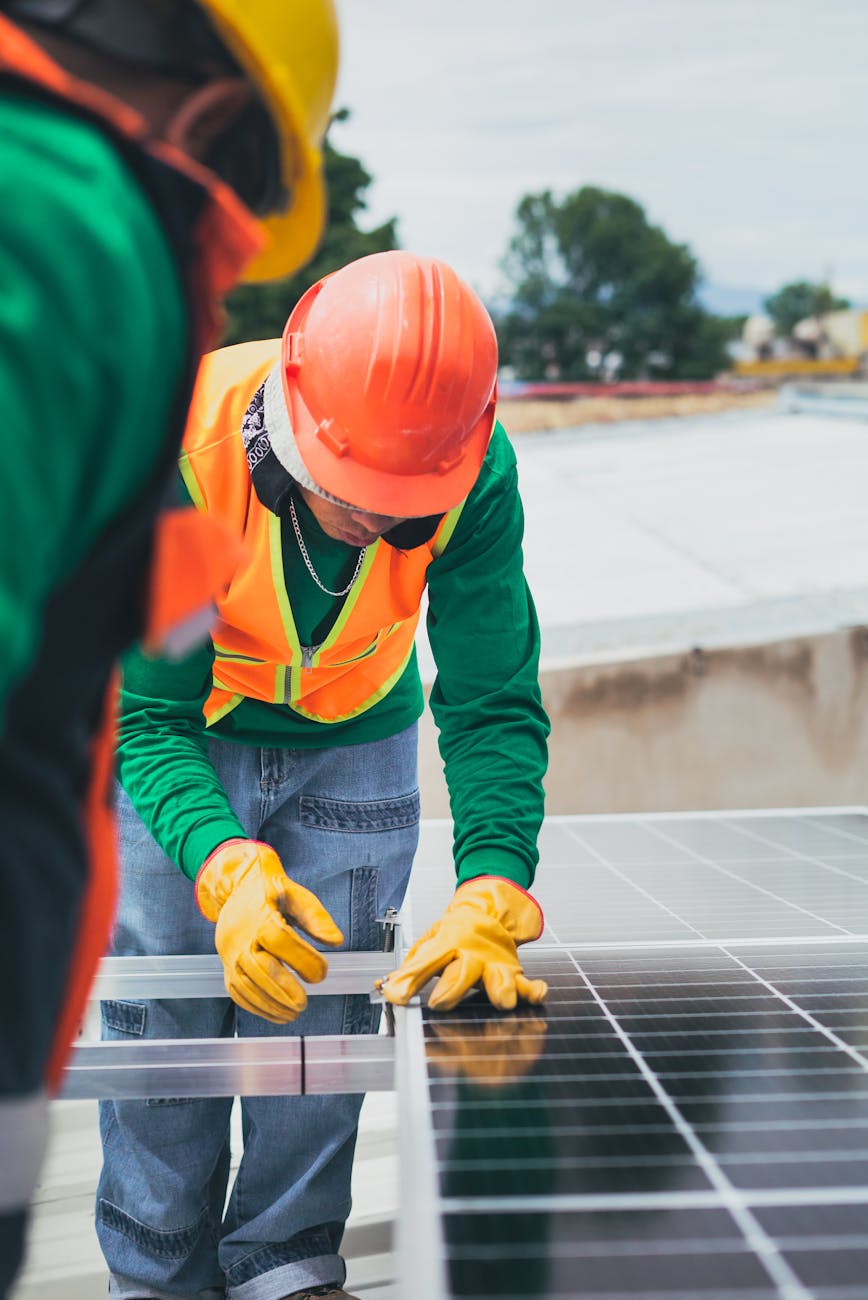
Regular maintenance is essential to ensure optimal solar panel performance. During spring and fall, check for debris such as leaves or pollen that may accumulate on your panels. Cleaning your panels regularly can prevent these obstructions from reducing efficiency. For more tips, refer to our article on Essential maintenance tips for RV solar panels.
Adapting to changing daylight hours
As daylight hours fluctuate, particularly in fall, it’s important to adjust your energy usage habits. Consider using timers or smart systems to automate energy usage during peak sunlight hours. This strategy can maximize the efficiency of your solar system by aligning energy consumption with peak production times.
Additionally, upgrading to smart controllers and inverters can further enhance your system’s adaptability. For more information on technological upgrades, see The role of technology in enhancing RV solar setups.
By understanding and adapting to the unique challenges of spring and fall, you can optimize your RV solar system’s performance. Adjusting the angle of your panels, managing energy consumption, and maintaining your equipment are key strategies to ensure efficient energy production. For more on coping with seasonal changes, explore our article on Winter strategies for maximizing RV solar power.