Author

Solar energy management tips for RV travelers
Traveling in an RV offers the freedom to explore diverse landscapes while enjoying the comforts of home. With the rise of solar technology, RV enthusiasts can now power their adventures sustainably. However, managing solar energy effectively is crucial to maximizing the benefits of your RV solar system. This guide provides essential tips to optimize energy consumption and storage, ensuring a smooth and eco-friendly journey.
Understanding your RV’s energy needs
Before diving into energy management strategies, it’s important to understand your RV’s specific energy needs. This involves assessing the appliances you use, their power consumption, and how frequently they are used. By identifying these factors, you can better plan your solar energy usage and storage.
Start by listing all the electrical devices in your RV. Note their wattage and estimate the daily usage time. This will help you calculate the total energy consumption. Once you have a clear picture, you can tailor your solar system to meet these demands efficiently.
Maximizing solar panel efficiency
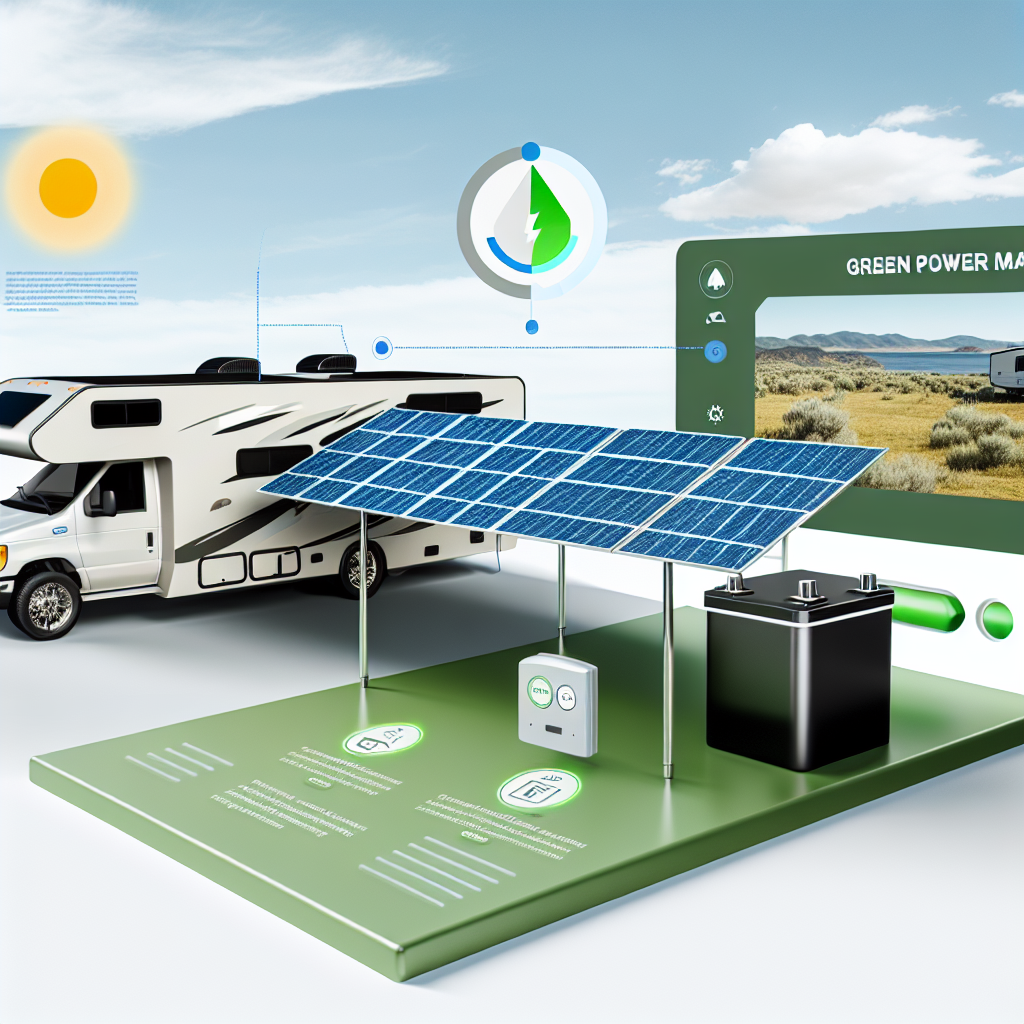
To optimize your RV’s solar system, ensure your solar panels are positioned to capture maximum sunlight. Regularly clean the panels to remove dust and debris, which can obstruct sunlight. Additionally, consider using a solar tracker to adjust the angle of your panels throughout the day, enhancing their efficiency.
Choosing the right solar panels is also critical. For guidance, check out our article on how to choose the right solar panels for your RV. Selecting high-efficiency panels can significantly improve your energy harvesting capability.
Effective energy consumption tracking
Tracking your energy consumption is vital for efficient solar energy management. Use a power monitoring system to keep an eye on your energy use in real-time. This will help you identify any excessive consumption and make adjustments accordingly.
Moreover, understanding peak usage times allows you to schedule energy-intensive activities during periods of high solar generation, reducing the strain on your batteries.
Battery management and storage
Proper battery management is key to maintaining a reliable power supply in your RV. Use deep-cycle batteries designed for solar systems, as they are better suited for frequent charging and discharging cycles. Regular maintenance, such as checking electrolyte levels and cleaning terminals, can extend battery life.
Consider investing in a battery management system (BMS) to monitor battery health and prevent overcharging or deep discharging. This system can also balance the charge among multiple batteries, ensuring uniform performance.
Efficient appliance use
Optimizing the way you use appliances can greatly influence your solar energy management. Opt for energy-efficient appliances and LED lighting to reduce power consumption. Unplug devices when not in use to prevent phantom loads, which can drain energy unnecessarily.
Additionally, prioritize the use of essential appliances over luxuries when energy reserves are low. For instance, cooking with a propane stove instead of an electric one can conserve significant energy.
Planning for off-grid adventures
If you plan to camp off-grid, ensure your solar setup is equipped to handle extended periods without external power sources. Carry portable solar panels or a solar generator to supplement your main system if needed. This flexible approach helps maintain energy availability even in remote locations.
For those interested in learning more about the environmental benefits of solar-powered RVs compared to traditional models, visit our article on understanding the environmental impact of RV solar systems.
Final thoughts on sustainable RV travel
By implementing these solar energy management tips, RV travelers can enjoy a sustainable and efficient travel experience. Proper planning and maintenance not only enhance your energy independence but also contribute to a smaller environmental footprint. Embrace the power of solar technology and explore the world with confidence and responsibility.