
Author

The role of solar charge controllers in RVs
Traveling in an RV offers a unique opportunity to experience the freedom of the open road, but it also requires efficient energy management to ensure a comfortable journey. An essential component of any RV solar energy system is the solar charge controller. This device plays a critical role in optimizing energy usage, protecting batteries, and enhancing overall system efficiency.
Understanding solar charge controllers
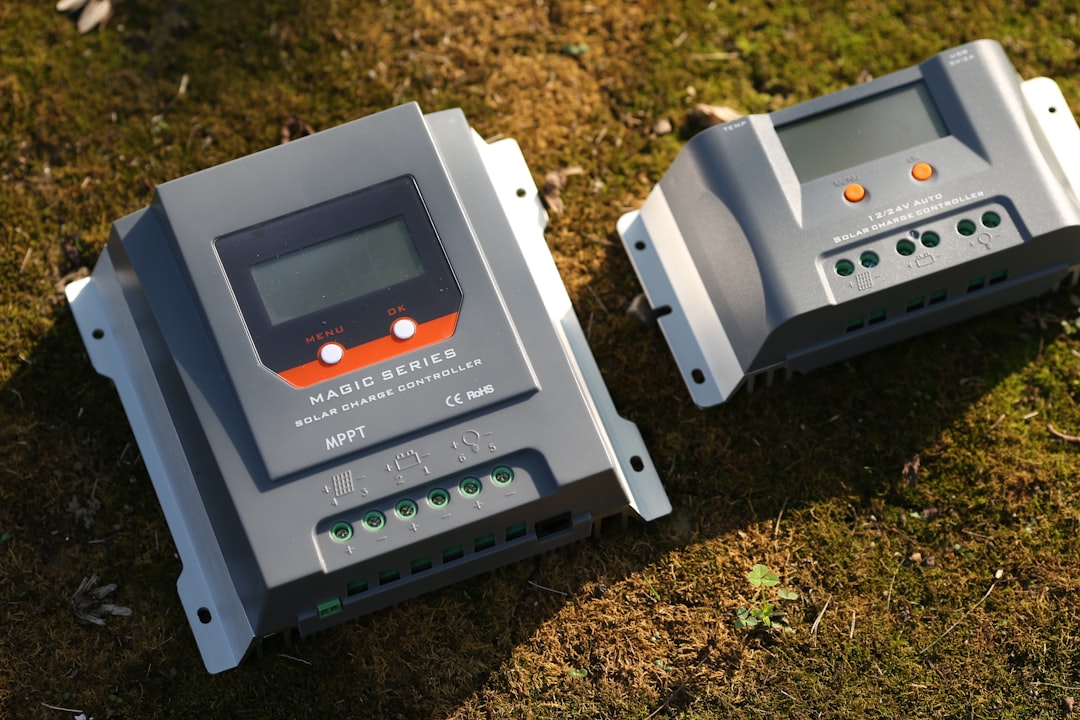
A solar charge controller is a device that regulates the voltage and current coming from the solar panels to the battery. Its primary function is to prevent overcharging and ensure that the battery maintains its lifespan and efficiency. By managing the flow of energy, the controller also maximizes the energy harvested from solar panels, which is particularly important in varying seasonal conditions.
Types of solar charge controllers
There are two main types of solar charge controllers used in RVs: PWM (Pulse Width Modulation) and MPPT (Maximum Power Point Tracking).
- PWM Controllers: These are simpler and more cost-effective. They work by reducing the voltage from the solar panels to match the battery voltage. While they are effective in smaller systems, they are less efficient in harnessing energy compared to MPPT controllers, especially in colder climates.
- MPPT Controllers: These controllers are more advanced and can extract more power from solar panels by adjusting the electrical operating point. This makes them ideal for larger systems and environments where sunlight is less consistent, providing up to 30% more efficiency than PWM controllers.
Importance of solar charge controllers in RVs
Solar charge controllers are crucial for protecting and extending the life of your RV’s battery. By preventing overcharging and ensuring the battery is charged at the correct voltage, the controller helps avoid potential damage and reduces the risk of battery failure. This is particularly important during periods of high solar output, such as in summer, as discussed in our article on maximizing summer solar energy in your RV.
Enhancing energy efficiency with solar charge controllers
By optimizing the charging process, solar charge controllers help improve the overall efficiency of your RV’s solar energy system. They ensure that the maximum possible energy is captured and stored, which is essential for maintaining power supply during less sunny periods. This efficiency is vital during winter months when sunlight is scarce, as explored in our guide on winter RV solar strategies.
Integration with energy management systems
Modern solar charge controllers often integrate with comprehensive energy management systems, providing real-time data on energy production and consumption. This integration allows RV owners to monitor and adjust their energy usage, making informed decisions to optimize solar performance throughout the year, aligning with the principles outlined in Optimizing RV solar performance throughout the seasons.
Choosing the right solar charge controller
Selecting the appropriate solar charge controller for your RV depends on several factors, including the size of your solar array, the type of batteries used, and your energy consumption patterns. Understanding these variables helps in choosing between PWM and MPPT controllers, ensuring the system meets your specific needs and enhances your travel experience.
Maintaining your solar charge controller
Like any component of your RV’s solar system, regular maintenance of the solar charge controller is essential. Ensuring connections are secure and the device is free from dust and debris can prevent malfunctions and prolong its lifespan. This maintenance complements other system upkeep tasks, such as cleaning and maintaining RV solar panels.
By understanding and utilizing solar charge controllers effectively, RV owners can significantly enhance their energy management capabilities, ensuring a more reliable and enjoyable journey.