Author

How to conduct an energy audit for your RV
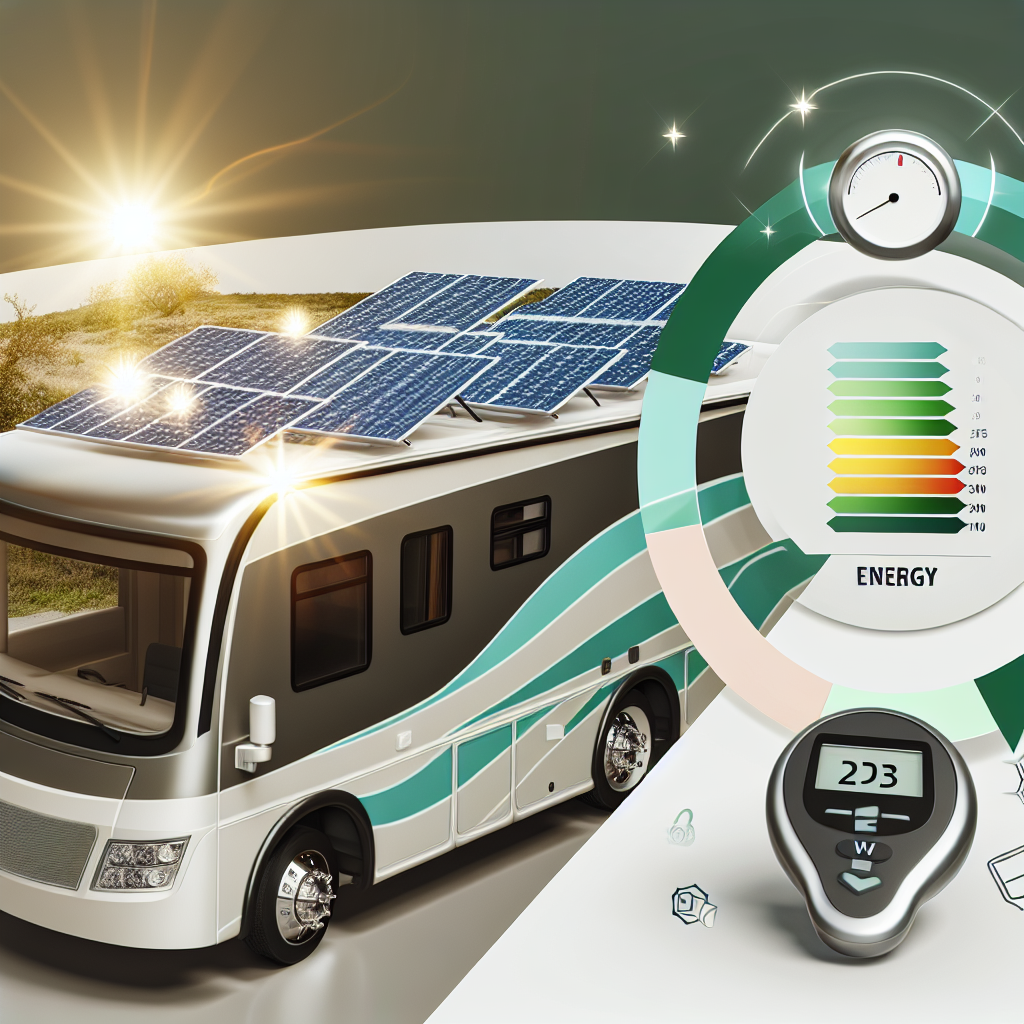
Conducting an energy audit for your RV is a crucial step in optimizing your solar energy usage and ensuring efficient energy management throughout the year. By identifying areas of inefficiency and implementing improvements, you can maximize the performance of your RV’s solar system and enhance your sustainable travel experience. This guide outlines the steps to perform a comprehensive energy audit, linking it to efficient seasonal energy management strategies.
Understanding the importance of an energy audit
An energy audit helps you understand how energy is consumed in your RV and identifies opportunities for improvement. This process is essential for optimizing your solar energy use, especially when transitioning between seasons, as discussed in our article on optimizing RV solar performance throughout the seasons. By conducting an audit, you can pinpoint inefficiencies, reduce energy waste, and ultimately lower your energy costs.
Preparing for the energy audit
Before starting your energy audit, gather the necessary tools and resources:
- Energy usage records: Collect past energy bills or data from your energy monitoring system to understand your current consumption patterns.
- Checklists and templates: Use checklists to ensure a thorough inspection of all energy-consuming devices and systems in your RV.
- Basic tools: Have a multimeter, flashlight, and notebook handy for inspecting and recording findings.
Step-by-step guide to conducting an energy audit
Step 1: Assess your current energy consumption
Begin by analyzing your RV’s current energy consumption. Check your energy bills or monitoring systems to determine your average daily and monthly energy use. Identify peak usage times and any unexplained spikes in consumption.
Step 2: Inspect your solar panels and charge controllers
Ensure your solar panels and charge controllers are functioning optimally. For detailed tips on maintaining these components, refer to our article on cleaning and maintaining RV solar panels. Pay attention to any signs of wear or damage that could affect energy efficiency.
Step 3: Evaluate energy-efficient appliances
Check the efficiency of all appliances within your RV. Consider upgrading to energy-efficient appliances for RV living, which can significantly reduce energy consumption and improve overall efficiency.
Step 4: Examine insulation and weatherproofing
Inspect your RV’s insulation and weatherproofing. Poor insulation can lead to energy loss, particularly during extreme weather conditions. Ensure windows, doors, and vents are sealed properly to maintain a comfortable temperature with minimal energy use.
Step 5: Test your lighting system
Evaluate the lighting in your RV. Consider replacing traditional bulbs with LED lights, which consume less energy and have a longer lifespan. This simple change can lead to significant energy savings over time.
Step 6: Monitor and adjust energy usage habits
Finally, monitor your energy usage habits. Small changes, such as unplugging devices when not in use and reducing reliance on high-energy appliances during peak solar production times, can make a big difference.
Implementing improvements and tracking progress
After identifying areas for improvement, implement changes systematically. Track your progress by regularly reviewing energy consumption data. Adjust your strategies as needed to ensure continued efficiency, especially when moving between seasons. For more seasonal tips, explore maximizing summer solar energy in your RV and winter RV solar strategies for effective energy use.
By conducting regular energy audits, you ensure your RV’s energy systems are running efficiently, reducing waste, and enhancing your overall travel experience. Embrace these strategies as part of your ongoing efforts to optimize energy use and enjoy sustainable adventures on the road.