Author

why quartzsite is the rv world’s winter capital
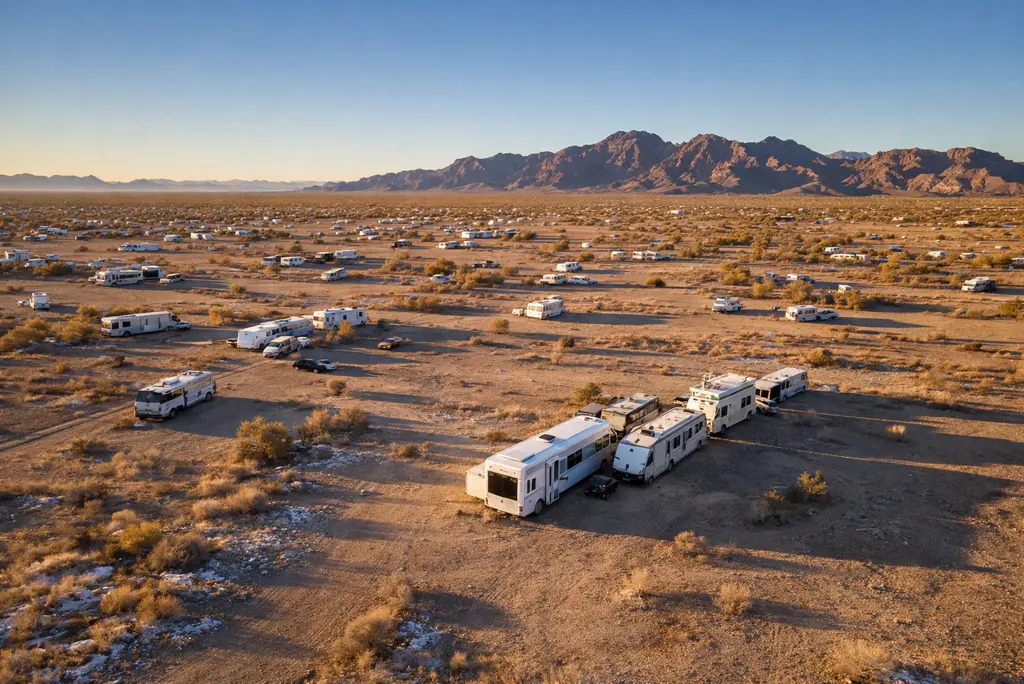
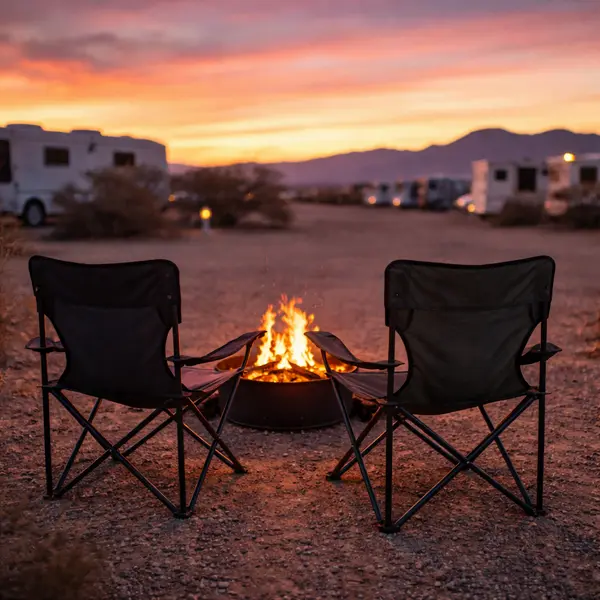
750,000 rvers descend on a small arizona desert town every january. no hookups. no reservations. just 11,000 acres of BLM land, a $180 seven-month pass, and the largest gathering of full-time rvers on the planet.
i’ve spent parts of four winters at quartzsite. my first trip (january 2020) i arrived with no skirting, a propane furnace i didn’t understand, and zero knowledge of the LTVA system. i made every beginner mistake possible and still had a better time than any rv park winter i’d spent before.
quartzsite is uniquely forgiving for beginners. the density of experienced rvers means help is always 50 feet away. the mild temperatures (30-42°F nights, 55-68°F days) mean equipment failures are inconvenient rather than dangerous. the cost is absurdly low. this guide covers everything you need to arrive prepared. for the full winter boondocking setup including heating, batteries, and insulation, see our winter boondocking survival guide.
understanding the LTVA system
what LTVA means and costs
LTVA stands for long term visitor area. these are designated BLM (bureau of land management) areas in the arizona and california desert where rvers can stay for extended periods with a single permit.
the permit: $180 for the season (september 1 through april 15, 7.5 months). covers all LTVA areas in arizona and california. purchased at any LTVA fee station, ranger station, or online at recreation.gov.
the rules: you can stay up to 14 consecutive days at any single LTVA site. after 14 days, you must move to a different LTVA area (or leave the LTVA system entirely) for 7 days before returning to the original site. in practice, most rvers rotate between quartzsite’s three main LTVA areas (la posa south, la posa north, and plomosa road) without ever needing to leave the quartzsite area.
the short-term alternative: if you’re visiting for under 14 days, you don’t need the LTVA pass. standard BLM dispersed camping rules apply: 14-day maximum stay, no fee. practical for big tent rv show week (january 17-25) visitors who arrive and leave within 14 days.
quartzsite’s LTVA areas
la posa south LTVA: the largest and most popular. located 2 miles south of quartzsite on highway 95. capacity is theoretically unlimited but practically 4,000-6,000 rigs in peak january. services: two honey bucket dump trucks service the area daily ($10 per dump), water delivery trucks ($10-15 per 50 gallons), porta-potties at central locations.
la posa north LTVA: 1.5 miles north of quartzsite on highway 95. smaller than la posa south, typically 800-1,500 rigs in january. slightly quieter. same services available. preferred by rvers who want community but slightly less density.
plomosa road LTVA: 6 miles east of quartzsite on plomosa road. most dispersed of the three areas. 200-400 rigs in january. quieter, more space between rigs, fewer services. preferred by rvers who want solitude within the quartzsite ecosystem.
choosing your site within the LTVA
arrive before 10am for best site selection. popular sites fill by noon in peak january. what to look for:
solar exposure: south-facing site with no obstructions (rv, trees, hills) blocking southern sky from 9am to 3pm. non-negotiable if you rely on solar power. walk the site before unhitching and check southern sky clearance.
wind protection: large rock formations or other rvs to the northwest (prevailing wind direction at quartzsite). wind adds significant heat loss and makes outdoor activities unpleasant.
ground surface: flat, firm caliche or gravel. avoid soft sandy areas (rv stabilizers sink, chairs tip). avoid areas with rocks that will damage rv skirting.
neighbor distance: peak season means 15-25 feet between rigs is typical. if you want more space, arrive early december or wait until late february. if you want maximum community (helpful for beginners), park near the central gathering areas.
water at quartzsite: the filtration reality
water sources and quality
quartzsite has no municipal water system. all water comes from wells tapping the colorado river aquifer. TDS (total dissolved solids) in quartzsite well water ranges 285-420 PPM depending on location and season.
for context: EPA secondary standard for TDS is 500 PPM (aesthetic limit, not health-based). quartzsite water is technically within acceptable limits. it tastes terrible without filtration due to high mineral content (calcium, magnesium, sulfates) and occasional sulfur notes.
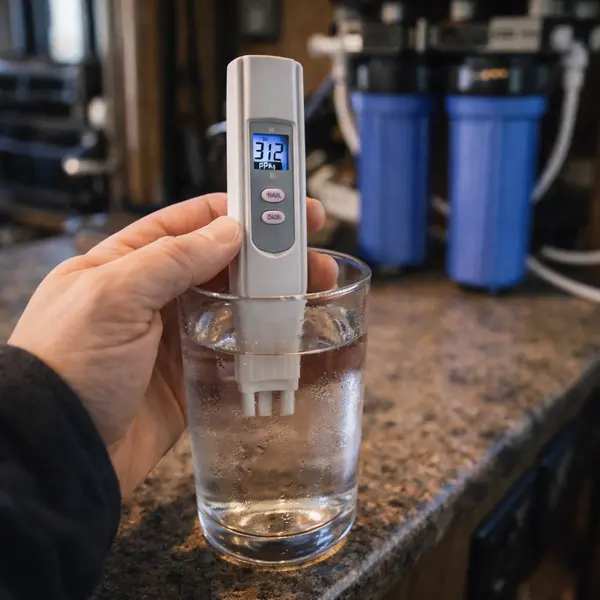
i tested water from four sources at quartzsite in january 2024 with a handheld TDS meter ($18 amazon):
| water source | TDS (PPM) | notes |
|---|---|---|
| honey bucket water truck | 295 | best quality available |
| la posa south fee station | 312 | standard LTVA water |
| town tap (chevron station) | 287 | cleanest, requires driving 8 miles |
| local well (private) | 387 | highest mineral content |
filtration recommendations
inline filter ($25-35): camco tastepure or kohree inline filter installs between water source and rv inlet in 5 minutes. reduces TDS 40-60% (295 PPM input → 120-175 PPM output). removes sediment and chlorine taste. adequate for most rvers.
two-stage filter ($65-90): adds carbon block stage after sediment filter. reduces TDS 60-75% (295 PPM → 75-115 PPM). eliminates sulfur odor completely. recommended if you’re sensitive to mineral taste or planning 30+ day stay.
reverse osmosis ($180-350 portable unit): reduces TDS 90-95% (295 PPM → 15-30 PPM). cleanest possible water. power draw: 50-75 watts during operation. produces 1-3 gallons per hour depending on unit. overkill for quartzsite water quality unless you have specific health concerns. appropriate for locations with 400+ PPM water (some new mexico and texas sites).
refilling strategy: honey bucket water trucks deliver to your site ($10-15 per 50 gallons). convenient but expensive per gallon ($0.20-0.30/gallon). cheaper option: drive rv or tow vehicle to chevron or love’s travel stop in quartzsite (free tap for customers, buy $5 gas). cheapest: 5-gallon jugs filled at water vending machines ($0.25-0.35 per 5 gallons).
the big tent rv show: what to expect
show overview
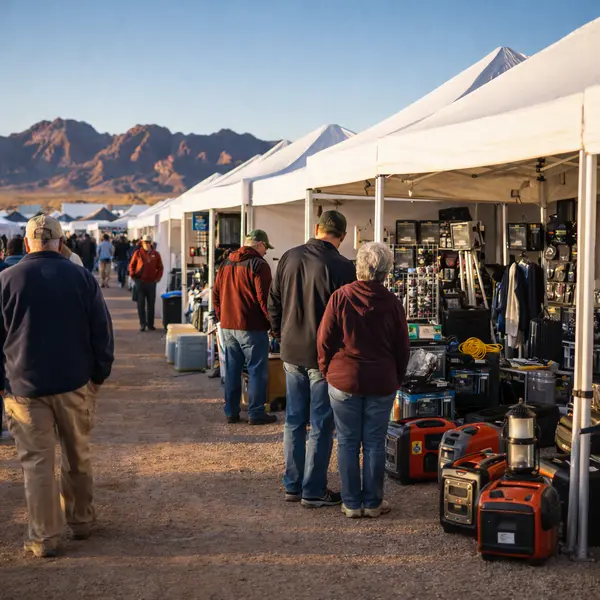
the big tent rv show runs january 17-25, 2026. it is the largest outdoor rv show in the world. located at la posa south LTVA area (show grounds set up within the LTVA).
free admission. hundreds of rv dealers, manufacturers, and accessory vendors. prices at the show are often (not always) negotiable. manufacturers bring new model introductions. this is where i first saw the winnebago eRV2 electric rv in person.
attendance on peak days (saturday, sunday): 30,000-50,000 visitors. weekday attendance: 8,000-15,000. parking chaos on weekends. if you’re staying in the LTVA, you walk to the show. massive advantage over day visitors driving from town or distant campgrounds.
what to buy and what to avoid
worth buying at the show: rv accessories and parts (competition between vendors, prices 10-20% below retail), solar panels and inverters (direct from distributors, good prices), rv skirting (see it installed, measure your rv on the spot), water filters (test units available, talk to manufacturers directly).
avoid buying at the show: rv purchases (high-pressure sales environment, same prices as dealerships, limited time to research), extended warranties (every vendor sells them, most are overpriced), generators (research beforehand and compare prices to online).
sustainable rv products specifically: TRA green certification vendors typically attend. battle born batteries had a booth in 2025 and 2024. solar companies offer show pricing. the show is worth one full day for sustainable rv equipment research even if you don’t buy anything.
navigating the show from your campsite
if staying in la posa south LTVA (show grounds are within walking distance): walk directly to show. no parking needed. bring water (temperatures hit 70°F during show days). wear comfortable shoes (10,000-15,000 steps typical for full day).
if staying in la posa north or plomosa road: bicycle or golf cart recommended. driving is possible but parking fills by 9am on weekends. most experienced quartzsite regulars have bicycles. it’s the primary transportation within the LTVA areas.
services, supplies, and daily logistics
propane and diesel
propane: pilot travel center on highway 95 (north of town) has lowest prices, typically $2.85-3.10/gallon for refill. walmart refills 20-lb tanks for $17-20 (exchange price; refill only available at some locations). avoid small propane vendors inside LTVA areas (convenience markup, $4-5/gallon).
diesel for diesel heater: pilot travel center, love’s travel stop, flying j (all on highway 95). typical price: $3.00-3.30/gallon. fill 5-gallon jerry can every 10-12 days on medium diesel heater setting. keep one spare jerry can (second 5-gallon can costs $12, worth it).
dump stations and gray water
LTVA areas prohibit gray or black water discharge on ground (heavily enforced, $250+ fine). options:
honey bucket dump trucks: drive through LTVA areas twice daily. wave them down or ask neighbor to pass word. $10 per dump for black + gray tanks. cash only. most reliable option.
town dump station: chevron station (free with fuel purchase, buy $5 gas). love’s travel stop ($10 dump fee, no fuel required). available 24/7.
gray water management: many rvers use gray water containment tubs (plastic storage bin under rv drain, $12). dump tub into honey bucket truck or dump station. keeps site clean and avoids daily truck coordination.
cell service and internet
verizon: strong signal throughout all LTVA areas. LTE, 15-25 mbps download in january. no booster needed in most locations. occasional slowdowns during peak show week (network congestion from high density).
AT&T: 1-2 bars in most LTVA locations. functional for calls and light email. not reliable for video calls or large file transfers. weBoost drive reach booster ($449) adds 10-15 dB gain and makes AT&T usable.
t-mobile: generally unusable in LTVA areas. 0-1 bars, frequent dropouts. do not rely on t-mobile at quartzsite.
starlink: works perfectly. no obstructions in open desert. 50-150 mbps typical. $120/month. if you work remotely, starlink is worth it. if you’re retired and checking email, verizon is adequate.
food and supplies
walmart supercenter: 8 miles north of town on highway 95. full grocery selection, camping supplies, propane exchange. make weekly run (drive rv or tow vehicle). stock 7-10 days of food minimum to reduce trips.
dollar general (in town): good for small items, basic groceries, and emergency supplies. more expensive per item than walmart but 8 miles closer.
quartzsite vendors (inside LTVA during show season): hundreds of vendor stalls sell food, rv parts, tools, clothing, and everything else. prices range from excellent (estate sale items, gems, rocks) to tourist markup (food vendors). buy breakfast burritos from the mexican food vendors near la posa south entrance ($6-8, excellent value).
weather and timing strategy
monthly weather breakdown
november: 45-65°F days, 35-48°F nights. uncrowded (10,000-30,000 rvers). best weather for outdoor projects and solar work. no big tent show. ideal month for first-timers who want quartzsite experience without peak crowds.
december: 50-68°F days, 32-42°F nights. moderate crowds (50,000-100,000). christmas week brings temporary spike. good timing for avoiding show madness while experiencing real quartzsite community.
january: 55-68°F days, 30-42°F nights. peak season (750,000+). big tent show jan 17-25. maximum community, maximum dust, maximum noise, maximum vendor selection. best time to arrive for first-timers who want support network.
february: 55-72°F days, 35-48°F nights. crowds thinning after show (100,000-200,000 in early february, 30,000-50,000 by month end). warmer days, slightly warmer nights. excellent weather for hiking and outdoor activities. less competitive for sites.
march: 65-80°F days, 42-55°F nights. uncrowded (5,000-15,000). increasingly hot during the day. rattlesnakes become active (watch where you step). excellent month if you tolerate heat and want solitude.
when to arrive for best experience
first-time winter boondocker: arrive january 8-15, leave february 10-15. captures community benefit of peak season while missing the most chaotic show week arrival crunch. gives 4-5 weeks of quartzsite experience.
experienced boondocker seeking solitude: november 15 through december 20, return february 15 through march 31. gets quartzsite at its best without the crowds.
attending big tent show specifically: arrive january 14-15 (get good site before show crowds), stay through january 26 (see show, meet vendors), leave before february 1 (avoid lingering show congestion).
safety considerations specific to quartzsite
desert hazards
rattlesnakes: active october through april at quartzsite. look before stepping off established paths. don’t reach under rv without checking first. shake out shoes left outside overnight. encounters are rare but one quartzsite rver is bitten most years.
desert wash flooding: quartzsite sits in a desert wash network. monsoon rains (july-september) cause flash flooding but january rain is rare (average 0.5 inches). however, storms upstream in arizona mountains can send water down washes with no local rain. never camp in a wash or at the low point of a depression.
dust storms: haboobs can arrive with 5-10 minutes warning, reducing visibility to zero and depositing 1-2 inches of fine dust. close all rv vents and windows at first sight of dust wall. secure any loose items outside rv. haboobs are rare in january but not impossible.
community safety
quartzsite has minimal crime. the density of experienced rvers creates natural community watch. leave valuables inside rv. lock bicycle. don’t leave generator running unattended overnight (theft risk, also CO risk if exhaust near rv).
medical: nearest hospital is parker, arizona (36 miles west, 45-minute drive). nearest trauma center is phoenix (130 miles, 2-hour drive). for non-emergency medical, quartzsite has a small medical clinic open weekdays. for emergencies, cell service is adequate for 911 calls throughout LTVA areas.
after four winters and counting, quartzsite remains my first recommendation for every beginner winter boondocker. the combination of mild temperatures, affordable cost, instant community, and vendor support for equipment failures makes it uniquely forgiving. nail your setup here before attempting colder locations. the [winter boondocking survival guide] has everything you need to arrive with functioning heat, adequate power, and properly filtered water.