
Author

Comparing monocrystalline and polycrystalline solar panels for RVs
When it comes to outfitting your RV with solar panels, the choice between monocrystalline and polycrystalline panels can significantly impact your overall system performance. Understanding the differences between these two types of panels is crucial in making an informed decision that best suits your needs.
Understanding the basics: Monocrystalline vs. polycrystalline
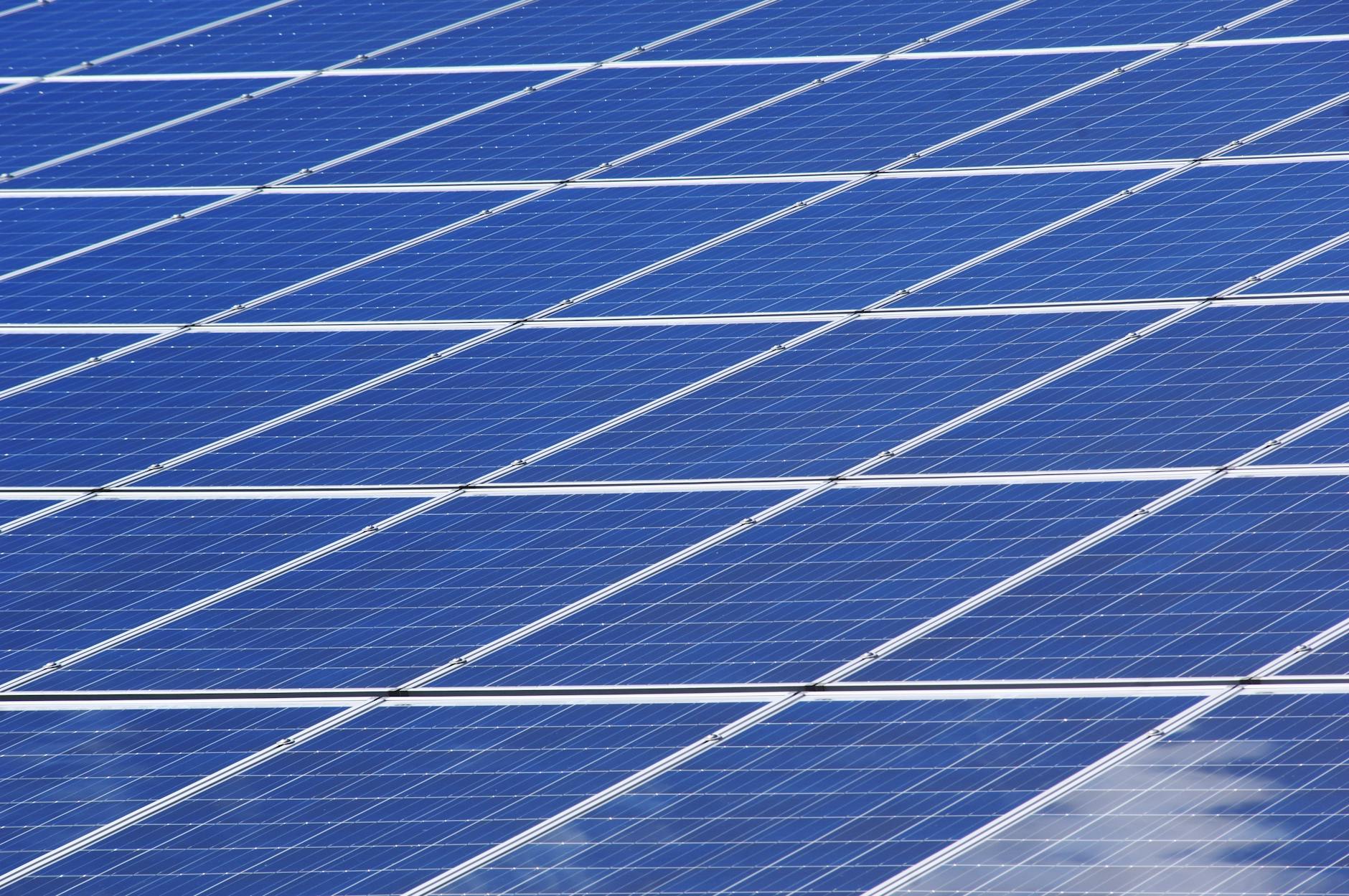
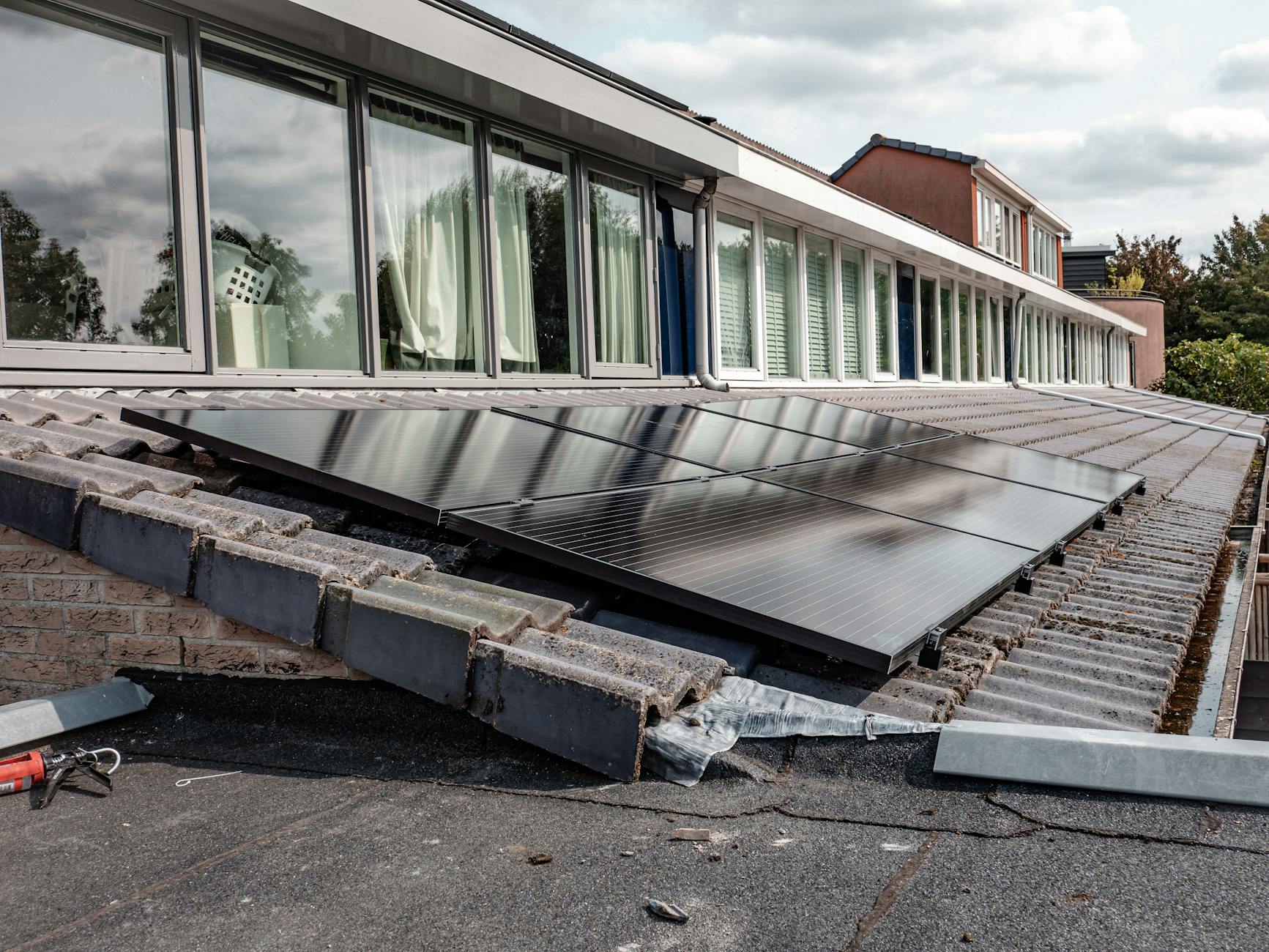
Monocrystalline solar panels are made from a single, continuous crystal structure. They are known for their high efficiency and sleek appearance, typically characterized by a uniform black look. Polycrystalline panels, on the other hand, are made from multiple silicon crystals melted together, giving them a distinctive blue hue.
Efficiency differences
One of the most important factors to consider is efficiency. Monocrystalline panels generally offer higher efficiency rates, often exceeding 20%. This makes them particularly suitable for RVs where space is limited, allowing you to generate more power from a smaller area. Polycrystalline panels, while slightly less efficient, are improving with technological advancements, typically ranging between 15-17% efficiency.
Cost considerations
Cost is another critical factor for many RV owners. Monocrystalline panels tend to be more expensive due to their complex manufacturing process and higher efficiency. However, this initial investment can be offset by their longevity and superior performance. Polycrystalline panels are generally more affordable, making them an attractive option for budget-conscious buyers who still want reliable solar power for their RV.
Suitability for RVs
When determining which type of panel is better suited for an RV, consider your specific needs. Monocrystalline panels are ideal for those who require maximum power generation in limited space, such as full-time RVers or those who frequently travel off-grid. Polycrystalline panels, with their lower price point, can be a great choice for occasional RV users who don’t need the highest efficiency.
Impact on overall system performance
The choice between monocrystalline and polycrystalline panels will affect your RV’s solar system’s overall performance. Higher efficiency panels can reduce the number of panels needed, which is beneficial for minimizing weight and maximizing roof space for other installations. Additionally, integrating high-efficiency panels can enhance the effectiveness of your inverter and solar charge controller, leading to better energy management and storage.
Installation and maintenance
Both types of panels require professional installation to ensure optimal performance. For guidance, you can refer to our step-by-step installation guide. Maintenance practices, such as regular cleaning and inspections, are essential to keep the panels operating efficiently, regardless of their type. For more tips, check out our article on maintaining your RV solar system.
Final thoughts: Making an informed choice
Choosing between monocrystalline and polycrystalline panels ultimately depends on balancing efficiency, cost, and your specific RV needs. Evaluating these factors will help you select a solar panel that enhances your RV’s solar system, contributing to a more energy-independent and sustainable travel experience. For further insights into maximizing your solar setup’s efficiency, explore our article on tips for RV owners.
To explore the best solar systems for RVs, check out our Top 10 RV solar systems for maximum efficiency.