Author

The role of inverters in RV solar systems
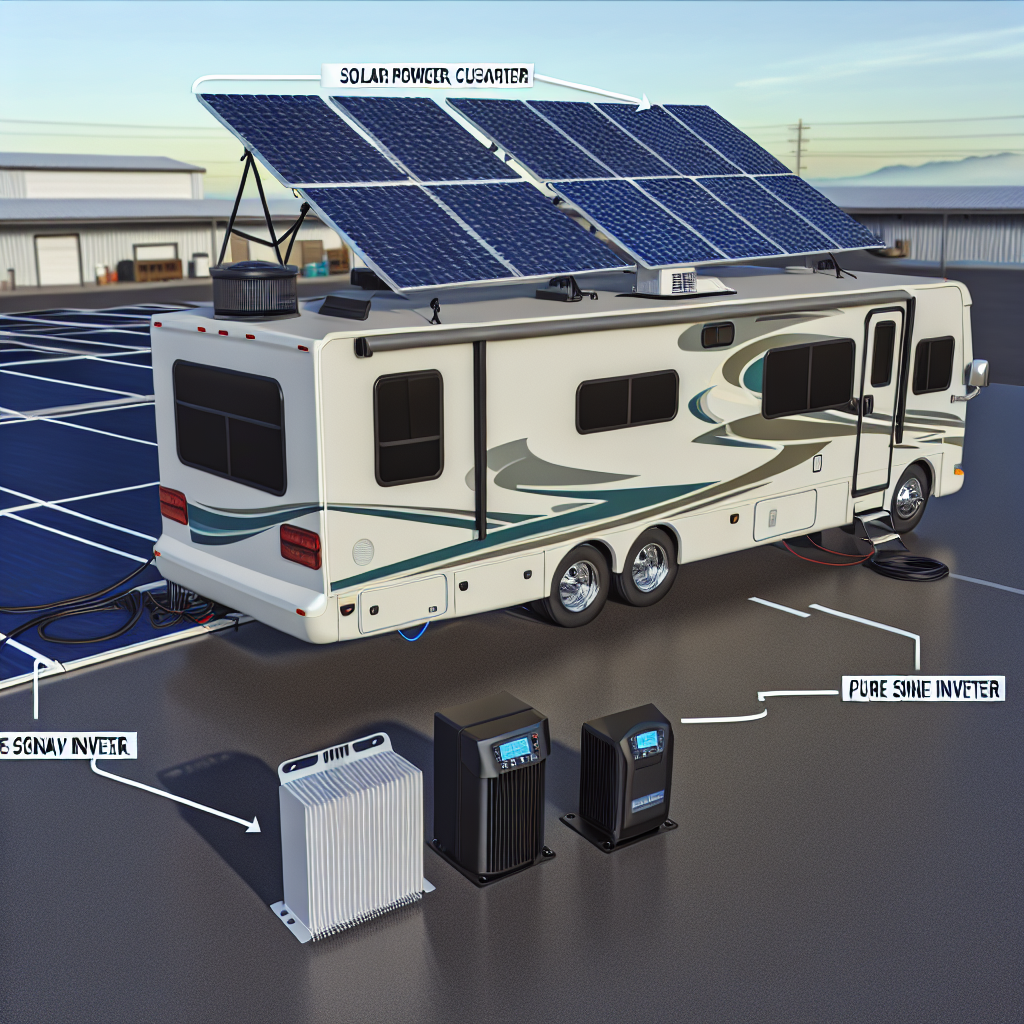
When it comes to optimizing your RV’s solar system, understanding the role of inverters is crucial. Inverters are key components that convert direct current (DC) from solar panels into alternating current (AC), which is used by most household appliances. Selecting the right inverter not only affects system efficiency but also ensures compatibility with your energy needs.
Types of inverters in RV solar systems
Inverters come in various types, each suited for different applications and energy requirements. Here, we explore the most common inverter types used in RV solar systems:
1. Pure sine wave inverters
Pure sine wave inverters produce a smooth, consistent wave of AC power, similar to what is supplied by utility companies. These inverters are ideal for sensitive electronics and appliances, such as laptops, microwaves, and medical equipment, as they prevent potential damage from power surges.
2. Modified sine wave inverters
Modified sine wave inverters generate a more basic form of AC power, which is suitable for less sensitive devices. While they are typically more affordable than pure sine wave inverters, they may not be compatible with all appliances, especially those requiring precise power regulation.
3. Hybrid inverters
Hybrid inverters combine the features of both pure and modified sine wave inverters. They offer versatility and can automatically switch between types based on the connected device’s needs. This type of inverter is ideal for those who want flexibility without compromising on efficiency.
Choosing the right inverter for your RV solar system
Selecting the appropriate inverter involves several considerations. Here are some key factors to evaluate:
Assessing power needs
Begin by determining your power requirements. Calculate the total wattage of all devices you plan to power simultaneously. This will help you choose an inverter with adequate capacity. Remember, selecting an inverter that is too small can lead to system overload, whereas an oversized inverter may result in unnecessary energy loss.
Compatibility with appliances
Ensure that the inverter you choose is compatible with your appliances. For sensitive electronics, a pure sine wave inverter is generally recommended. If your setup includes basic devices like lights and fans, a modified sine wave inverter might suffice.
Budget considerations
Inverter prices can vary significantly. While it may be tempting to choose a lower-cost option, consider the long-term benefits of investing in a high-quality inverter. A reliable inverter can prevent damage to your devices and improve the overall efficiency of your RV solar system.
Installation and maintenance
For seamless integration, follow a comprehensive guide on how to install an RV solar system. Proper installation ensures that your inverter functions correctly, minimizing the risk of faults and maximizes the lifespan of your equipment.
Impact of inverters on solar system efficiency
An inverter’s efficiency directly influences the overall performance of your RV solar system. High-efficiency inverters convert more of the solar energy into usable power, reducing waste and enhancing sustainability. This optimization is vital for long trips off the grid, where maximizing solar efficiency is essential. For more tips, consider reading our article on maximizing solar efficiency for RV owners.
Understanding the role of inverters in RV solar systems is essential for making informed decisions about your setup. Whether you opt for a pure sine wave, modified sine wave, or hybrid inverter, each type has its advantages and applications. Carefully evaluating your power needs and appliance compatibility will guide you to the right choice, ensuring optimal performance and longevity of your RV solar system. For those exploring the best systems available, our Top 10 RV solar systems for maximum efficiency article provides valuable insights.