Author

The future of solar technology in RVs
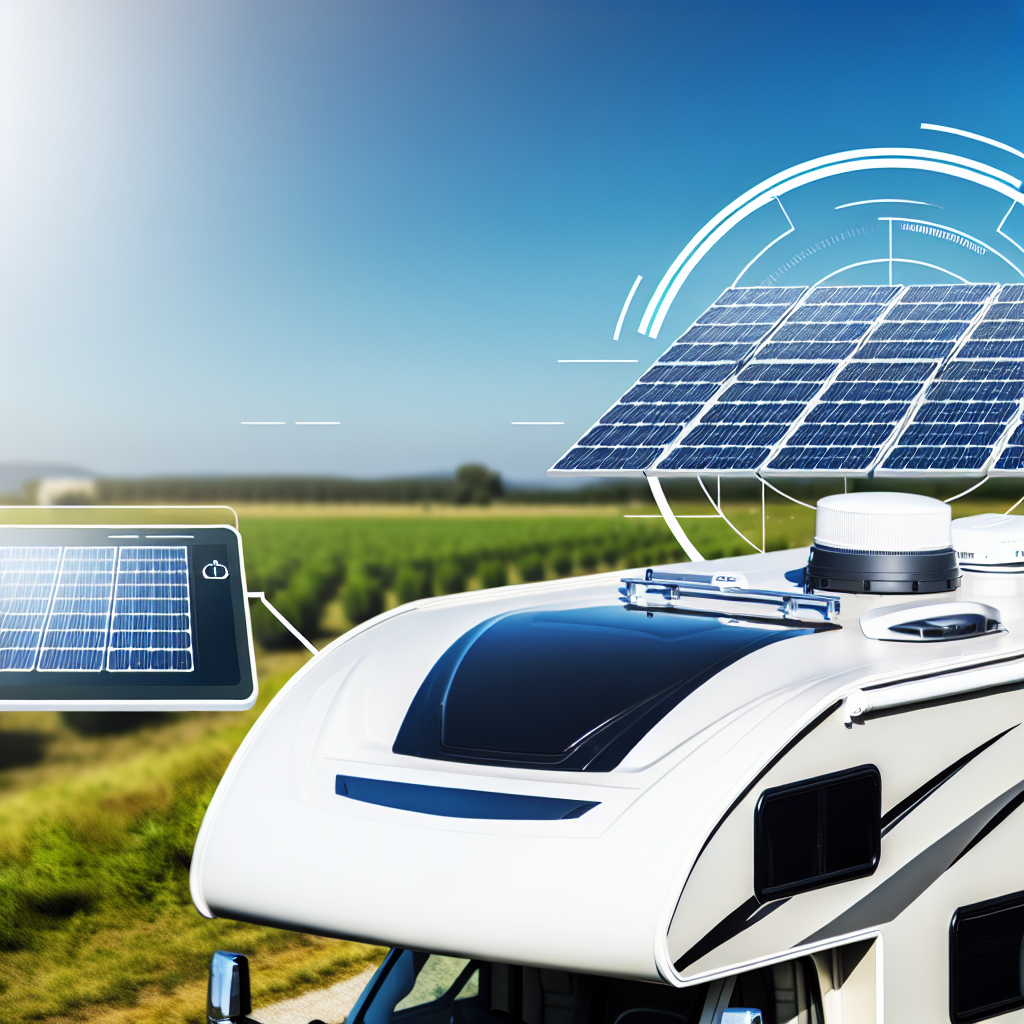
With the rise of sustainable travel, the integration of solar technology in recreational vehicles (RVs) is becoming increasingly important. As we look towards the future, several emerging trends and innovations promise to revolutionize how RVs harness and utilize solar energy. This article explores these advancements and their potential impact on RV travel.
Flexible solar panels: a game changer
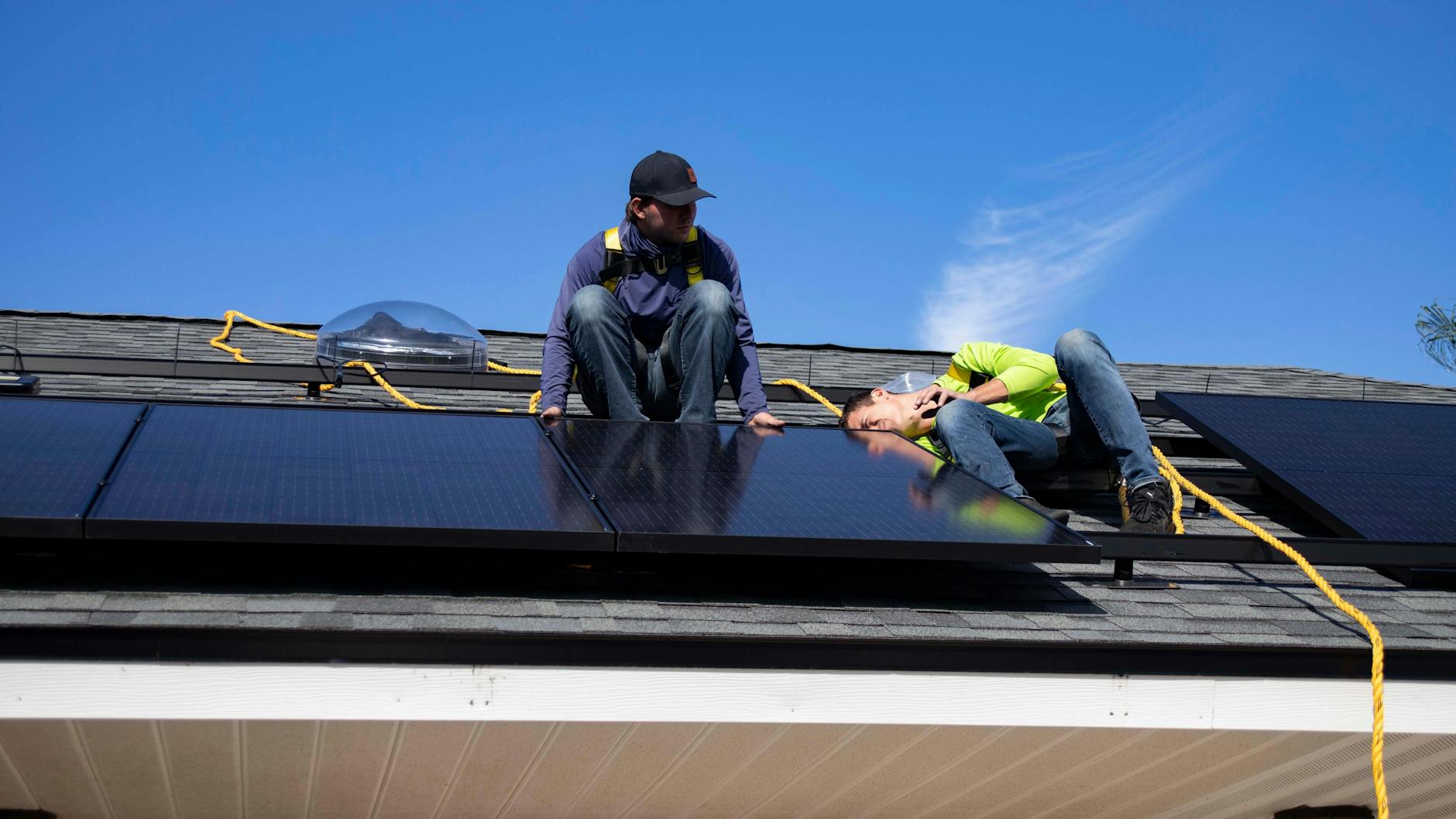
Traditional solar panels are often rigid and require careful installation on the flat surfaces of RVs. However, the advent of flexible solar panels is set to change this landscape. Made from thin-film technologies, these panels are lightweight, bendable, and can be easily mounted on curved surfaces. This flexibility allows for more creative and space-efficient installations, maximizing energy capture without compromising the vehicle’s aesthetics or aerodynamics.
Advanced energy management systems
As solar technology evolves, so too do the systems that manage and optimize energy usage. Modern energy management systems in RVs are becoming more sophisticated, offering features like real-time monitoring, smart energy distribution, and automated load balancing. These systems ensure that solar energy is used efficiently, minimizing waste and maximizing the autonomy of RV travelers. For those interested in optimizing their solar setup, our Ultimate guide to RV solar panel setup and maintenance provides in-depth insights.
Integration with smart home technology
The future of RV solar technology is also closely linked with the integration of smart home systems. Imagine being able to control and monitor your RV’s energy consumption via a smartphone app. This technology not only enhances convenience but also empowers travelers to make informed decisions about their energy usage, further boosting efficiency and sustainability.
High-efficiency solar cells
Research and development in photovoltaic technology continue to produce solar cells that are more efficient at converting sunlight into electricity. These high-efficiency cells can generate more power from the same amount of sunlight, which is particularly beneficial for RVs with limited roof space. This advancement means travelers can enjoy greater energy independence, reducing the need for external power sources.
The impact on RV travel
These technological advancements are set to make RV travel more sustainable and cost-effective. With improved solar efficiency and smarter energy management, RV owners can travel longer distances without worrying about power shortages. Moreover, the reduced dependency on fossil fuels aligns with the growing trend of eco-friendly travel. For more on the benefits of solar panels in RVs, read our article on the Top 5 advantages of using solar panels in RV travels.
Challenges and considerations
While the future of solar technology in RVs is promising, there are challenges to consider. The cost of high-efficiency solar panels and advanced management systems can be prohibitive for some. Additionally, integrating these technologies requires a certain level of expertise. However, as these technologies become more mainstream, prices are expected to decrease, making them accessible to a broader audience.
Furthermore, ongoing maintenance and seasonal adjustments remain crucial to ensure optimal performance. As highlighted in our previous article, understanding how to adjust solar panels for different seasons can significantly impact energy efficiency.
of the future trends
The future of solar technology in RVs is bright, with innovations that promise enhanced efficiency, greater autonomy, and a reduced environmental footprint. As these technologies continue to evolve, RV owners can look forward to a more sustainable and enjoyable travel experience. By staying informed and embracing these advancements, travelers can contribute to a greener future while enjoying the freedom of the open road.