
Author

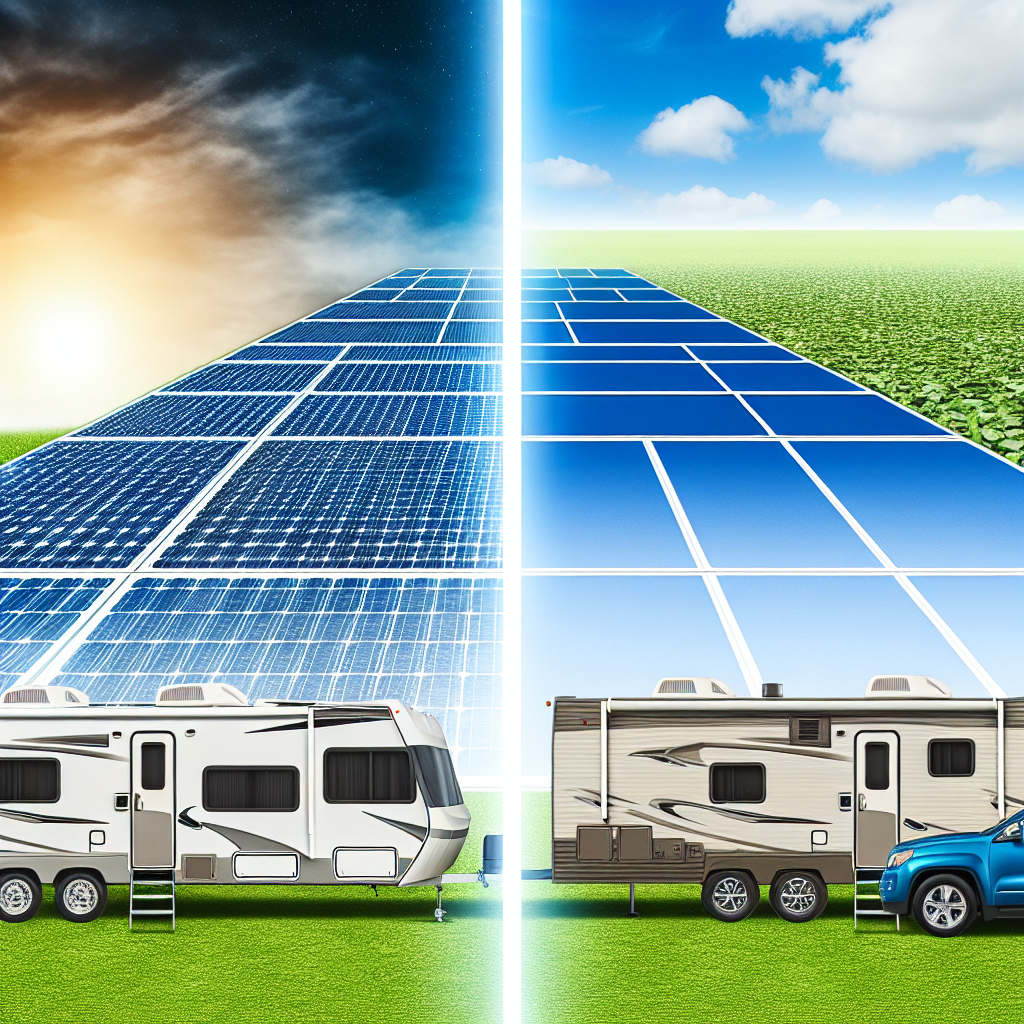
The environmental impact of traditional vs. solar-powered RVs
In recent years, the growing awareness of environmental issues has led many RV enthusiasts to consider the impact of their vehicles on the planet. Traditional RVs, which typically rely on fossil fuels, have a markedly different environmental footprint compared to solar-powered RVs. This article explores the environmental implications of both types of RVs, highlighting the potential benefits of adopting solar technology.
Understanding the environmental impact of traditional RVs
Traditional RVs primarily run on gasoline or diesel, contributing to greenhouse gas emissions. The combustion of these fuels releases carbon dioxide (CO2), a significant contributor to climate change. Additionally, the extraction and refining processes of fossil fuels have their own environmental costs, including habitat destruction and water pollution.
Beyond emissions, traditional RVs often rely on generators for electrical power, particularly when parked in areas without hookups. These generators also burn fossil fuels, further increasing the vehicle’s carbon footprint. In essence, the environmental impact of traditional RVs is twofold: direct emissions from fuel consumption and indirect impacts from fuel production.
The benefits of solar-powered RVs
Solar-powered RVs offer a significant reduction in environmental impact compared to their traditional counterparts. By harnessing energy from the sun, these RVs reduce reliance on fossil fuels, decreasing both direct and indirect emissions. Solar panels convert sunlight into electricity, providing a clean and renewable source of energy for an RV’s electrical needs.
Using solar power, RV owners can minimize their use of generators, thereby lowering emissions and noise pollution. This not only benefits the environment but also enhances the camping experience by maintaining the tranquility of natural settings. Additionally, solar power systems require minimal maintenance, making them a sustainable choice for long-term travel.
Comparing resource consumption
Resource consumption is another critical factor when evaluating the environmental impact of RVs. Traditional RVs consume significant amounts of fuel, which is a non-renewable resource. In contrast, solar-powered RVs utilize sunlight, an abundant and renewable resource, reducing the strain on the planet’s natural reserves.
Moreover, the production and disposal of traditional fuel involve significant environmental costs. Solar panels, while also requiring resources for production, have a much longer lifespan and lower environmental impact over time. This makes them a more sustainable option for eco-conscious travelers.
Energy efficiency and sustainability
Energy efficiency is a crucial consideration for reducing environmental impact. Solar-powered RVs are inherently more efficient, as they convert sunlight directly into electricity without the energy losses associated with fossil fuel combustion. This efficiency translates into less resource consumption and lower emissions overall.
For RV owners looking to enhance their energy efficiency, it’s important to select the right solar panels. Our guide on how to choose the right solar panels for your RV provides valuable insights into selecting the most efficient and sustainable options available.
Long-term environmental benefits
The transition from traditional to solar-powered RVs offers significant long-term environmental benefits. By reducing emissions and resource consumption, solar RVs contribute to cleaner air and a healthier planet. This aligns with the broader goals of sustainable travel and environmental stewardship.
Furthermore, by adopting solar technology, RV owners can potentially inspire others within the community to consider more sustainable practices. This ripple effect can amplify the positive impact on the environment, promoting broader adoption of renewable energy solutions.
: Embracing solar for a sustainable future
While traditional RVs have long been a staple of adventure and exploration, their environmental impact cannot be overlooked. Solar-powered RVs represent a viable and attractive alternative, offering significant reductions in emissions and resource consumption. By embracing solar technology, RV enthusiasts can enjoy the freedom of the open road while contributing to a more sustainable future.
For more information on how RV solar systems can enhance sustainable travel, explore our comprehensive guide on understanding the environmental impact of RV solar systems.