
Author

Choosing the right generator for your RV solar system
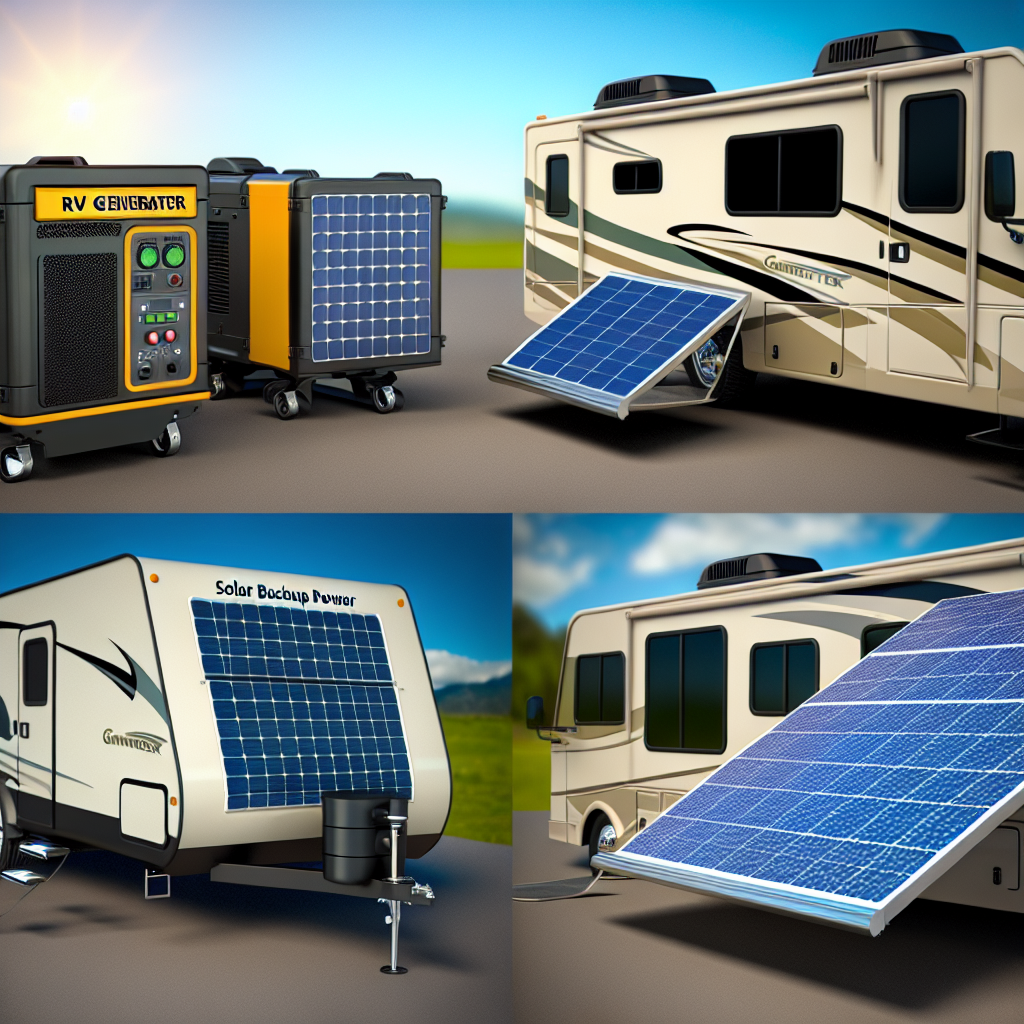
When embarking on RV adventures, having a reliable power source is crucial, especially when solar energy is insufficient due to weather conditions or limited sunlight exposure. Integrating a generator into your RV solar system can provide the necessary backup power to ensure seamless energy availability. This article explores the different types of generators suitable for RVs, their fuel options, and essential factors to consider when choosing a generator.
Understanding generator types for RVs
Generators come in various types, each offering unique benefits that cater to different needs. It is essential to understand these types to make an informed decision that complements your RV solar system.
Portable generators
Portable generators are a popular choice among RV enthusiasts due to their versatility and ease of use. These generators are typically compact and can be moved easily, making them ideal for temporary setups. However, they may not always provide the power needed for larger RV systems, so it’s crucial to assess your energy requirements before selecting a portable option.
Inverter generators
Inverter generators are known for their fuel efficiency and ability to produce clean power, which is safe for sensitive electronics. These generators adjust their engine speed based on the power demand, resulting in quieter operation and reduced fuel consumption. Inverter generators are an excellent choice for those who prioritize efficiency and noise reduction.
Standby generators
Standby generators are a more permanent solution, often installed directly within the RV. They provide a robust power supply but require professional installation and maintenance. These generators are ideal for those who frequently travel to remote areas with limited access to solar energy.
Fuel options and their implications
Choosing the right fuel type is another critical factor when selecting a generator. Different fuel options come with their own set of advantages and limitations.
Gasoline generators
Gasoline generators are widely available and are often more affordable upfront. However, gasoline can be less efficient and has a shorter shelf life, requiring careful storage and regular refueling.
Diesel generators
Diesel generators tend to be more fuel-efficient and durable, making them suitable for long-term use. They require less maintenance compared to gasoline generators, but diesel may be harder to find in remote areas.
Propane generators
Propane generators are eco-friendly and have a longer shelf life, making propane a convenient fuel option. These generators often run quieter and are cleaner, but they may produce less power than gasoline or diesel options.
Factors to consider when choosing a generator
Selecting the right generator involves considering several key factors to ensure compatibility with your RV solar system and overall energy needs.
Power output
Assess your RV’s power requirements, including the appliances and electronics you plan to use, to determine the necessary generator output. Opt for a generator that can handle your maximum power needs to avoid overloading the system.
Size and weight
The size and weight of the generator can impact your RV’s storage and transport capabilities. Ensure that the generator fits within your available space and does not excessively add to your vehicle’s weight.
Noise levels
Consider the noise level of the generator, especially if you plan to camp in quiet or noise-sensitive areas. Inverter generators and propane models typically offer quieter operation.
The role of generators in enhancing RV autonomy
Generators play a significant role in enhancing RV autonomy by providing reliable backup power when solar energy is insufficient. They ensure that your appliances continue to function and that you remain comfortable during your travels. For a comprehensive guide on integrating backup power sources, visit Integrating backup power sources with RV solar systems for reliable energy.
Incorporating a generator that aligns with your RV solar setup not only extends your travel capabilities but also contributes to a sustainable and enjoyable journey. For more information on maximizing your RV’s energy efficiency, consider exploring Maximizing battery storage in RV solar setups.