
Author

Choosing the right battery for your RV solar system
Choosing the right battery for your RV solar system
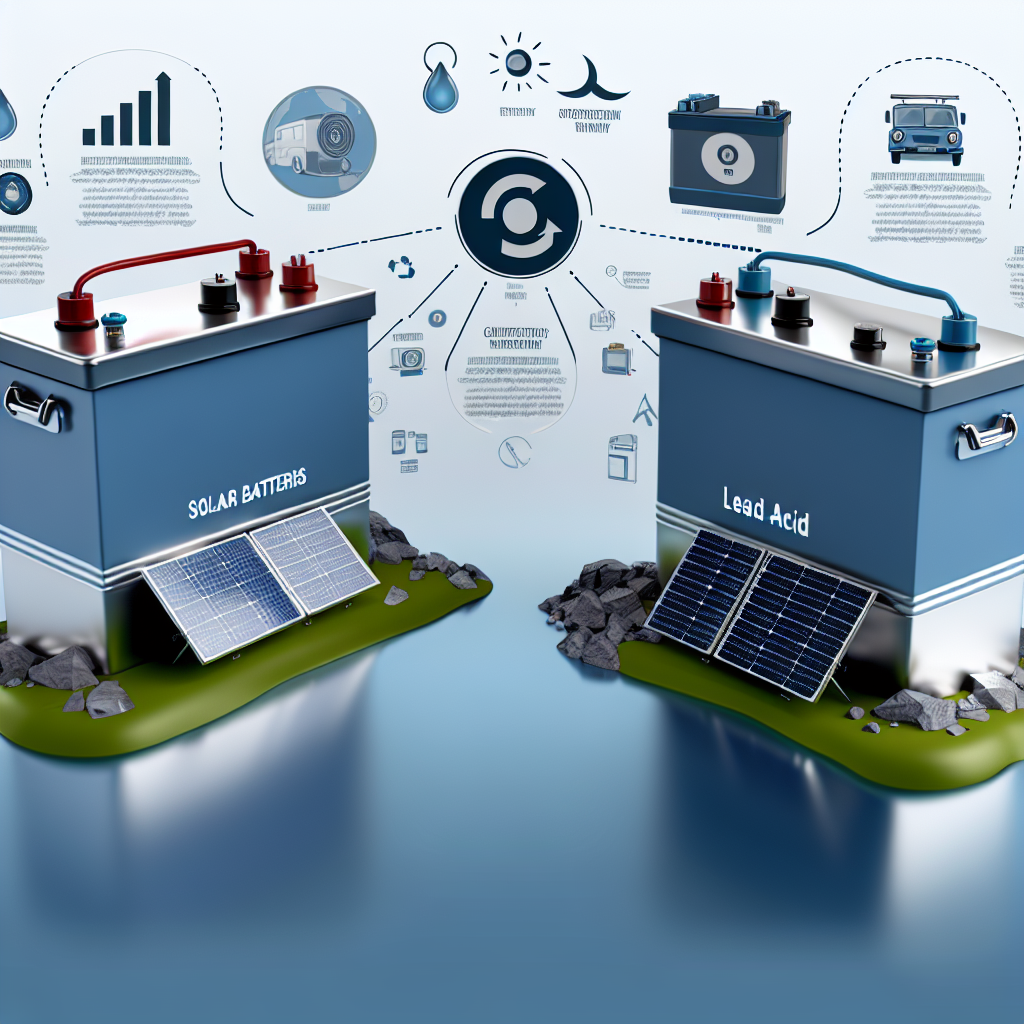
When planning an off-grid adventure, selecting the right battery for your RV solar system is crucial. The battery you choose will influence the efficiency, cost, and performance of your entire setup. In this article, we will explore the differences between lead-acid and lithium batteries, helping you decide which is the best fit for your RV solar setup.

Understanding the basics of RV batteries
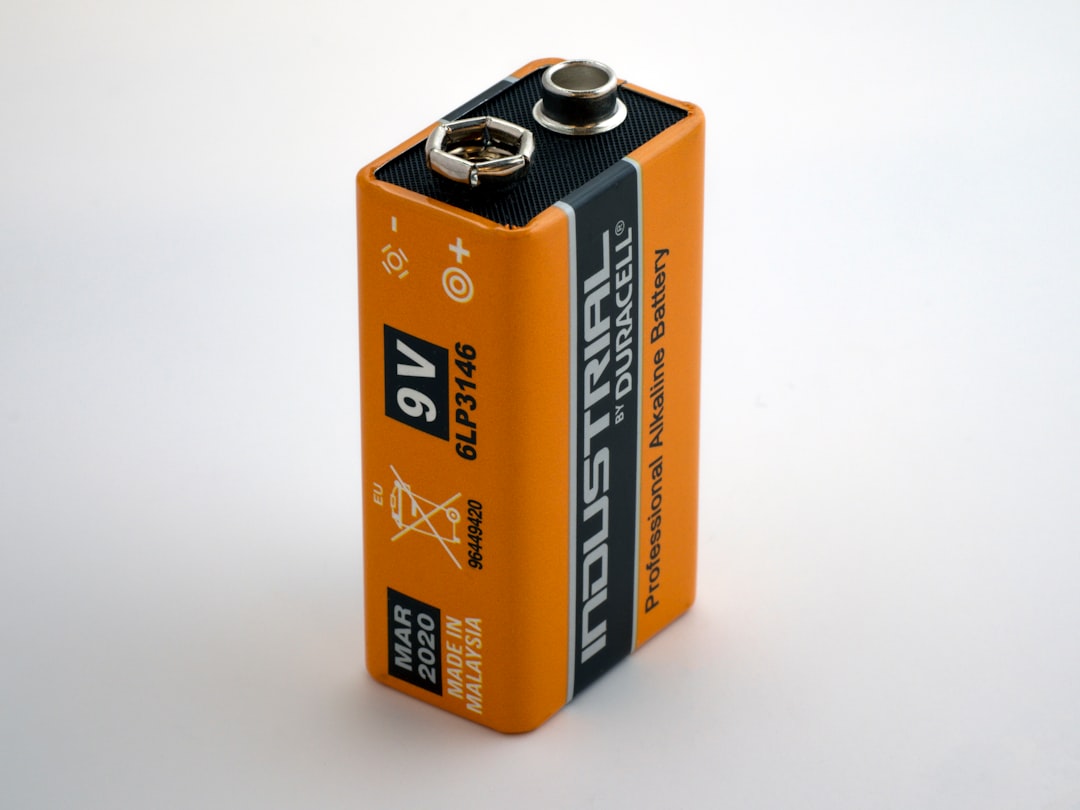
Before diving into the specifics of each battery type, it’s vital to understand the role of a battery in an RV solar system. Batteries store the energy collected by solar panels, ensuring that you have power even when the sun isn’t shining. This stored energy powers your appliances and, depending on your system size, can keep your RV running for several days without sunlight.
Lead-acid batteries
Lead-acid batteries have been the industry standard for many years. Known for their reliability and affordability, they are a common choice for RV owners. However, they come with their own set of pros and cons.
Advantages of lead-acid batteries
- Cost-effective: Lead-acid batteries are generally cheaper upfront compared to lithium batteries, making them an attractive option for those on a budget.
- Availability: They are widely available and can be sourced from most automotive or RV stores.
- Mature technology: With years of use behind them, lead-acid batteries are a well-understood technology.
- Weight: These batteries are significantly heavier than their lithium counterparts, impacting the weight of your RV.
- Maintenance: They require regular maintenance, including checking water levels and cleaning terminals to ensure longevity.
- Limited lifespan: Lead-acid batteries typically have a shorter lifespan and lower cycle count compared to lithium batteries.
- Efficiency: They have lower efficiency rates, meaning they take longer to charge and discharge fully.
- Lightweight: Lithium batteries are significantly lighter, reducing the total weight of your RV.
- Low maintenance: They require little to no maintenance, allowing for a hassle-free experience.
- Longevity: With a longer lifespan and higher cycle count, lithium batteries offer more value over time.
- Efficiency: They charge faster and have a higher energy density, providing more power in a smaller package.
- Cost: The initial investment is higher, which can be a barrier for some RV owners.
- Availability: While becoming more common, they can still be harder to find in some areas compared to lead-acid batteries.
Disadvantages of lead-acid batteries
Lithium batteries
Lithium batteries are becoming increasingly popular in the RV community, and for good reason. They offer several advantages over traditional lead-acid batteries, but also come with a higher price tag.
Advantages of lithium batteries
Disadvantages of lithium batteries
Making the right choice for your RV
When choosing between lead-acid and lithium batteries, consider factors such as budget, weight, maintenance preferences, and how often you plan to use your RV. For those looking for a budget-friendly solution and are willing to perform regular maintenance, lead-acid batteries may be the best option. However, if you want a lightweight, low-maintenance solution and are prepared for a higher upfront cost, lithium batteries could be the better choice.
For further guidance on selecting the right battery capacity and understanding more about RV solar systems, refer to Your ultimate guide to sizing your RV solar system for off-grid adventures. Additionally, understanding your energy needs is crucial, and you can learn more about this in How to calculate your RV’s energy needs.
Choosing the right battery is a critical decision that impacts the success of your RV solar system. Whether you opt for lead-acid or lithium, understanding the pros and cons of each will help you make an informed decision, ensuring your off-grid adventures are powered effectively.