
Author

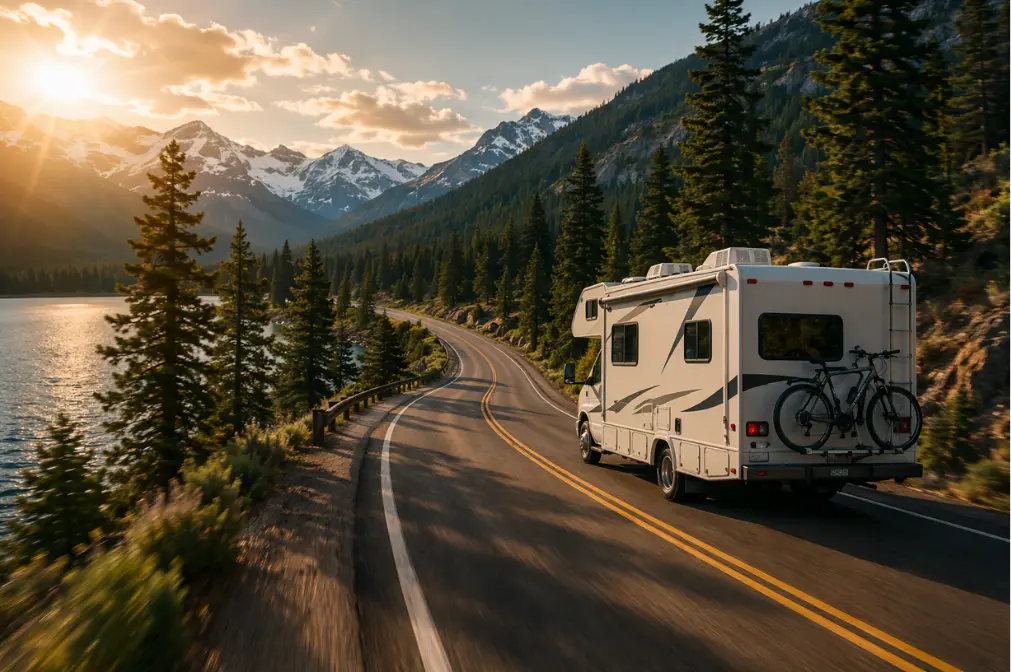
Charging RV Batteries While Driving
What actually works, what fails, and how to do it right.
Charging While Driving Sounds Simple. It Usually Isn’t.
Charging RV batteries while driving sounds obvious. The engine runs, the alternator produces power, and the battery should charge.
In real RV setups, that assumption is often wrong. Many RV owners drive for hours and still arrive with batteries that are only partially charged. Others install a system that technically works but delivers very little usable energy.
The real question is not whether charging while driving is possible. The real question is whether it can be done efficiently, safely, and predictably.
The Goal Is Not Just to Charge
The goal is to reach camp with usable energy left for lights, charging devices, fans, and normal RV comfort. That only happens when the charging system is planned correctly.
What Actually Happens When You Charge While Driving
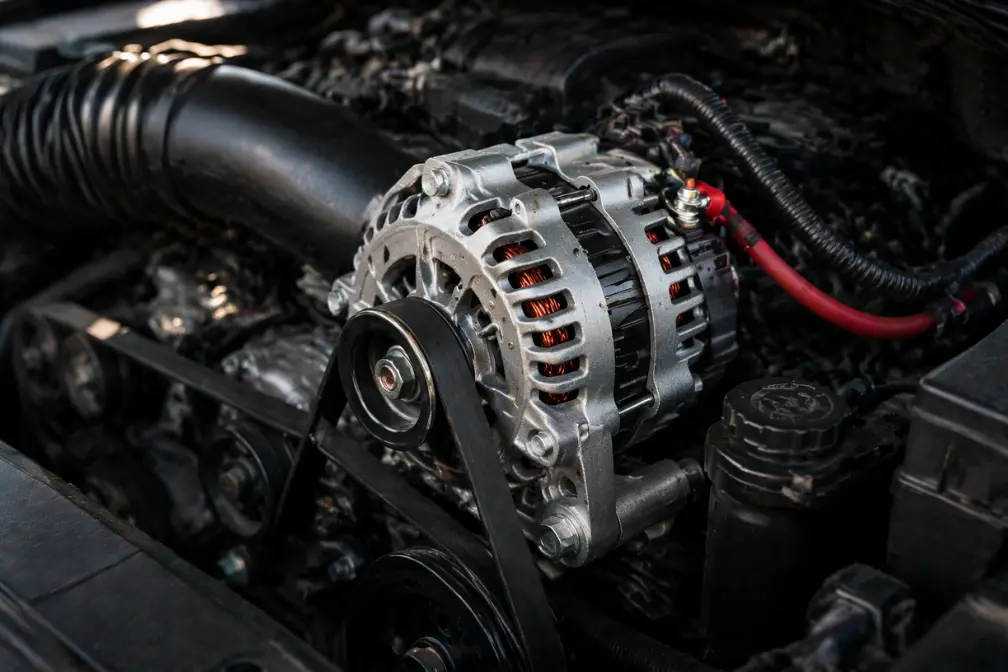
When your engine is running, the alternator produces electrical power. That power is designed first for the vehicle itself. Your house battery is not the priority.
If you connect it directly, the alternator may send current, but the system is often not optimized for proper charging behavior.
- Voltage may not stay high enough
- Current may not be regulated correctly
- Long cables create losses
- Modern smart alternators may reduce output on purpose
There Are Really Only Three Ways to Do This
Direct Alternator Connection
This is the simplest setup. It can work in basic systems, but it usually lacks the control needed for stable, efficient charging.
- Low cost
- Simple wiring
- Limited control
- Weak lithium compatibility
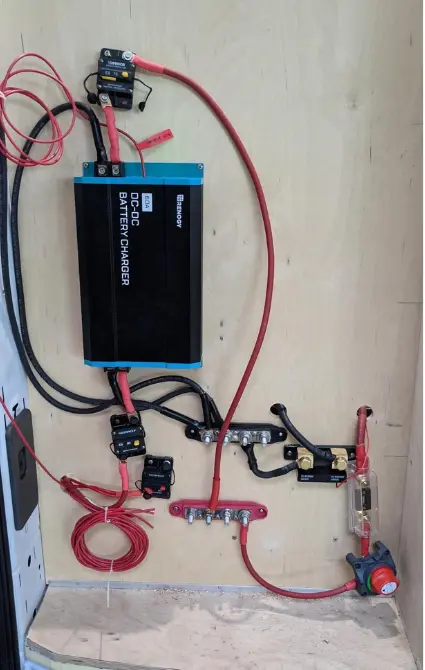
DC-DC Charger
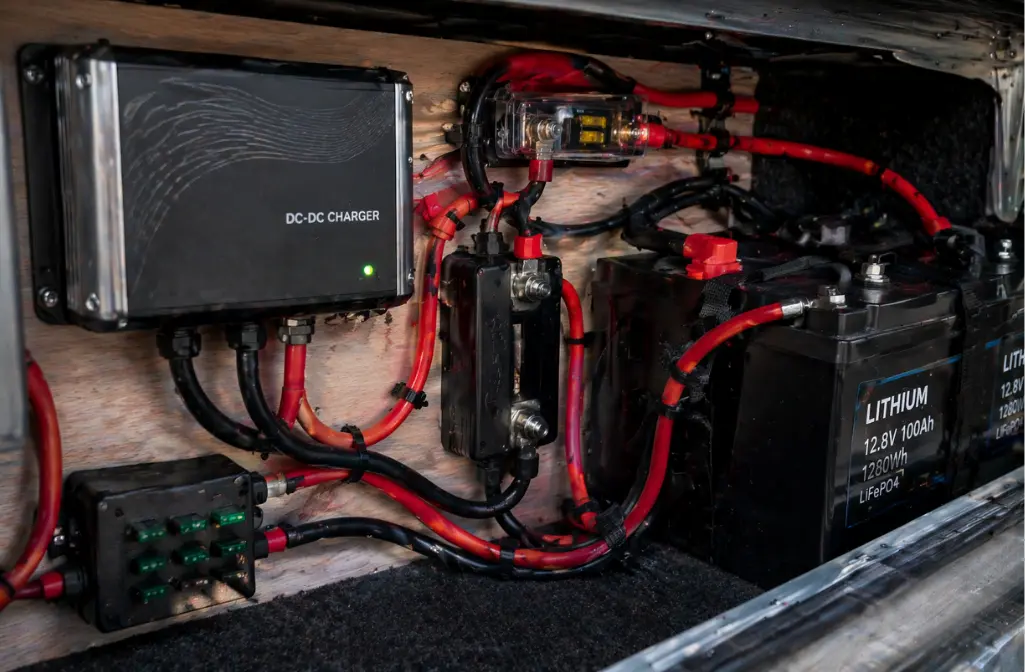
A DC-DC charger stabilizes voltage, limits current, and follows a more appropriate charging profile. For most modern RV setups, this is the best solution.
- Better charging control
- Safer for lithium batteries
- More predictable real-world results
- Usually the best long-term choice
Smart Alternator Vehicles
Many modern vehicles reduce alternator voltage to improve fuel efficiency. That can leave your house battery barely charging.
Use a compatible DC-DC charger
How Much Energy Do You Really Gain?
On paper, 30A for 2 hours suggests 60Ah. In practice, losses and charging taper reduce real usable gain.
Monitoring Matters
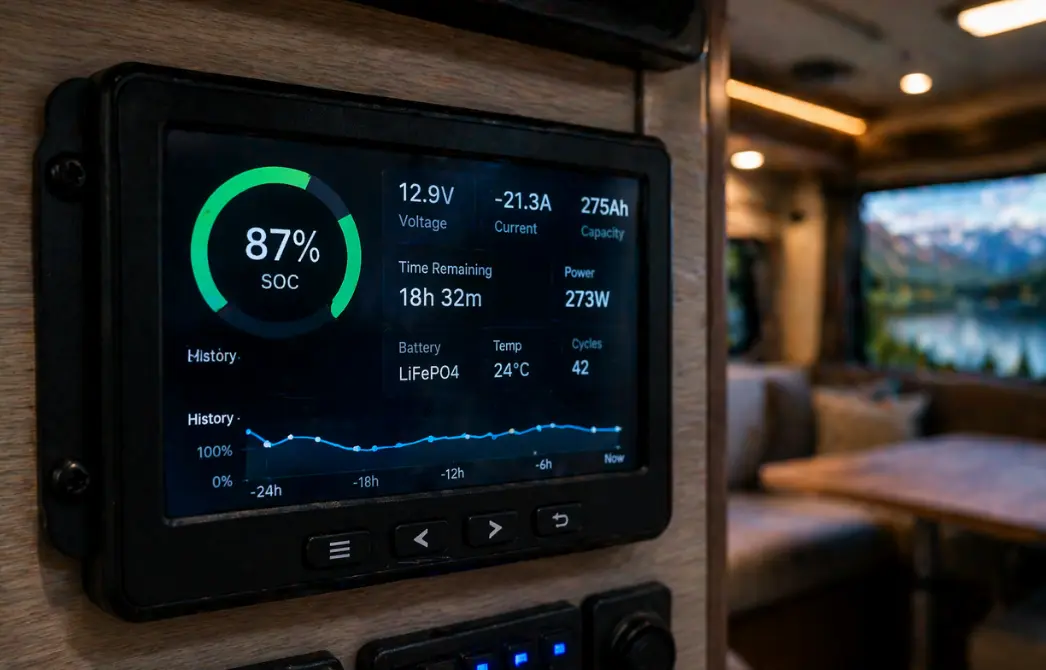
Without a battery monitor, you are mostly guessing. Monitoring confirms whether your system is really gaining useful energy.
Most Charging Problems Come From a Few Repeated Mistakes

Undersized Wiring
Voltage drop reduces charging performance before energy reaches the battery.
No DC-DC Charger
Without regulation, charging becomes weaker and less predictable.
Wrong Charger Size
Too small means slow recovery. Too large can stress the alternator.
Ignoring Alternator Limits
Your alternator is not an unlimited power source.
Driving and Solar Work Better Together
Driving gives you fast bulk recovery. Solar gives you silent, free energy while parked. The best RV systems usually combine both.
Driving
- Fast recharge
- Useful on travel days
- Consistent while moving
Solar
- Free energy
- Silent charging
- Useful while parked


What This Means in Real RV Life
The goal is not just to charge. The goal is to arrive with enough usable energy for the evening without immediately worrying about recovery.
- Direct connection is basic and limited
- Smart alternators can reduce useful charging
- A DC-DC charger is usually the most dependable solution
Quick Answers
Does driving fully charge RV batteries?
Usually not. It often provides a strong partial charge, not a guaranteed full one.
Can I connect directly to lithium?
It is usually better to use a DC-DC charger for safer and more reliable charging.
How long should I drive?
One to three hours often gives useful recovery, depending on charger size and losses.
What is the simplest good decision?
If you want predictable charging while driving, start with a DC-DC charger plan.