
Author

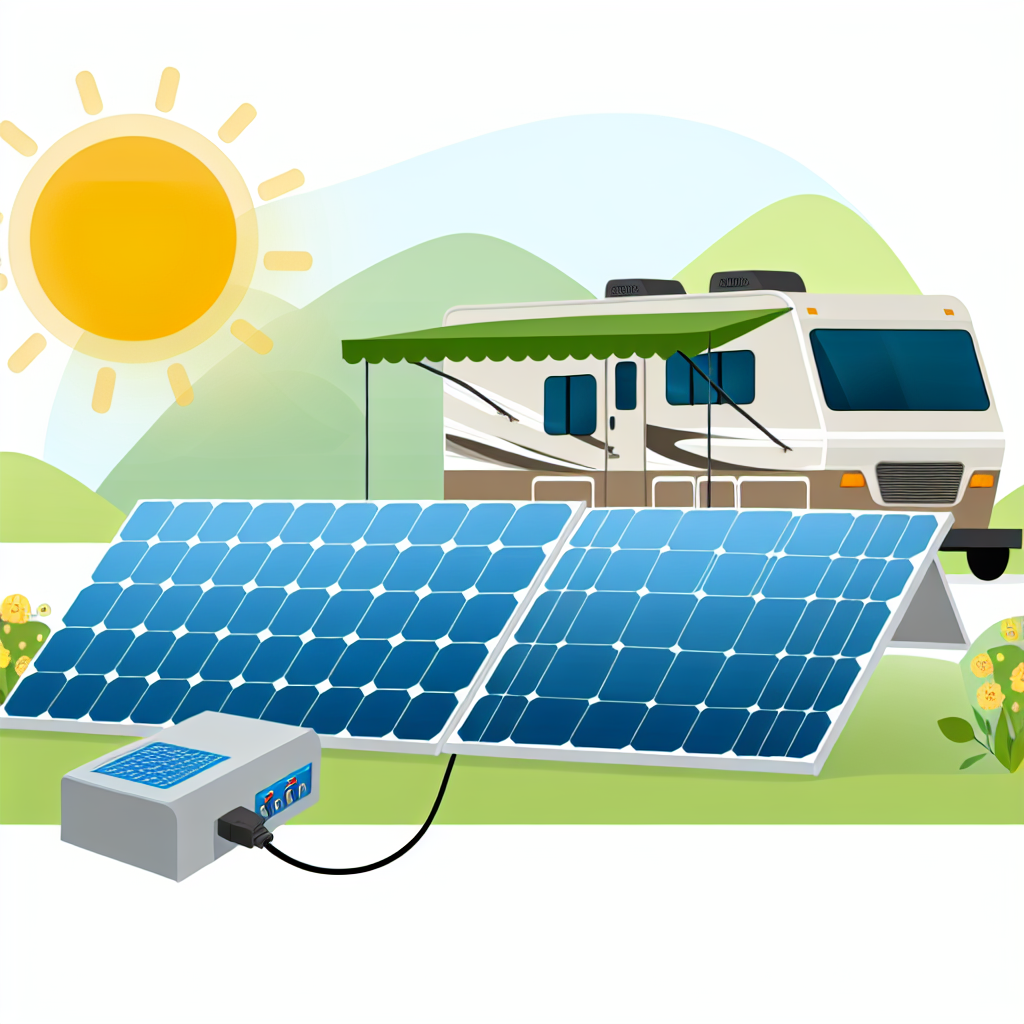
Choosing the best charge controller for your RV solar system
In the realm of RV solar setups, charge controllers play a pivotal role in managing the energy harvested from solar panels. They ensure that batteries are charged efficiently and protected from overcharging, thus prolonging their lifespan. Selecting the right charge controller for your RV can significantly impact the overall efficiency and reliability of your solar system.
Understanding the role of charge controllers
Charge controllers act as the intermediary between the solar panels and the batteries. Their primary function is to regulate the voltage and current coming from the solar panels to the batteries, ensuring that the batteries receive the optimal charging conditions. This regulation prevents batteries from being overcharged, which can lead to significant damage or reduced lifespan.
In addition to protecting batteries, charge controllers can also prevent reverse current, which occurs when the solar panels drain the battery at night. By incorporating a charge controller into your RV solar system, you ensure a steady and controlled flow of energy.
Types of charge controllers
There are two main types of charge controllers commonly used in RV solar systems: Pulse Width Modulation (PWM) and Maximum Power Point Tracking (MPPT).
Pulse Width Modulation (PWM) controllers
PWM controllers are the simpler and more affordable option. They work by gradually reducing the power supplied to the battery as it reaches full charge, thereby preventing overcharging. However, PWM controllers are not as efficient as MPPT controllers, especially in environments with varying temperatures and light conditions.
Maximum Power Point Tracking (MPPT) controllers
MPPT controllers are more sophisticated and efficient, especially in optimizing the energy yield from solar panels. They adjust the electrical operating point of the solar panels to ensure maximum power output. This is particularly beneficial in colder climates or when the sunlight is not directly overhead. Although MPPT controllers are generally more expensive, their efficiency gains can justify the additional cost for many RV owners.
Key features to consider
When choosing a charge controller for your RV, consider the following features to ensure you select the best option for your system:
- System voltage compatibility: Ensure the charge controller is compatible with the voltage of your RV’s solar panels and batteries.
- Charging capacity: Check the amperage rating of the controller to ensure it can handle the current produced by your solar panels.
- Display and monitoring: Some controllers come with LCD displays or Bluetooth capabilities for easy monitoring of the system’s performance.
- Temperature compensation: A controller with temperature compensation can adjust the charging parameters based on the ambient temperature, which is crucial for maintaining battery health.
Integrating the charge controller into your RV system
Integrating a charge controller into your RV solar system involves careful planning and installation. It should be placed close to the batteries to minimize voltage drop and maximize efficiency. Additionally, proper wiring and connectivity are crucial, as discussed in our ultimate guide to RV solar panel setup and maintenance.
When planning your installation, consider the space available in your RV and ensure that the controller is easily accessible for monitoring and maintenance. Proper ventilation is also important to prevent overheating of the controller.
Benefits of choosing the right charge controller
Selecting the right charge controller can enhance the performance and longevity of your RV’s solar system. It ensures efficient energy management and protects your investment in batteries and solar panels. By optimizing energy flow and preventing overcharging, a good charge controller contributes to a reliable and sustainable energy solution for your travels.
For more information on the advantages of using solar panels in your RV travels, be sure to check out our article on the top 5 advantages of using solar panels in RV travels.