
Author

Avoiding common mistakes in RV solar system sizing
{“status”:”generated”,”content”:”
Avoiding common mistakes in RV solar system sizing
Embarking on an off-grid adventure with your RV can be thrilling, but ensuring your solar system is appropriately sized is crucial. Many beginners face challenges when setting up their RV solar systems, often leading to costly errors. In this article, we highlight common mistakes in RV solar system sizing and offer expert advice to help you avoid these pitfalls.
Underestimating energy needs
One of the most common mistakes is underestimating your RV’s energy requirements. It’s essential to have a clear understanding of your daily energy consumption to size your solar system correctly. Factors such as the number of appliances, lighting, and electronics you plan to use play a significant role. To get a precise estimate, follow our guide on how to calculate your RV’s energy needs.
Ignoring regional sun hours
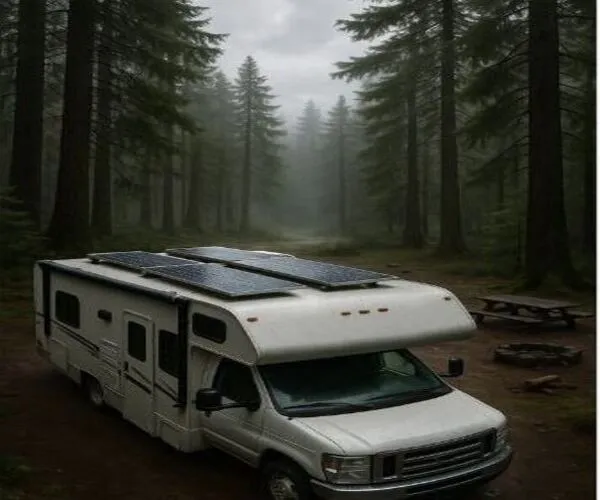
Another critical factor often overlooked is the impact of regional sun hours on solar panel efficiency. Different regions receive varying amounts of sunlight throughout the year, which affects how much energy your solar panels can generate. For instance, sun-rich areas like Arizona offer optimal conditions, whereas regions like the Pacific Northwest may require additional panels to compensate for fewer sun hours. Learn more about this in our article on the impact of regional sun hours on your RV solar setup.
Choosing the wrong battery type
Selecting the right battery is crucial for the efficiency of your solar system. Many RV owners mistakenly choose batteries based on cost rather than suitability. Understanding the differences between lead-acid and lithium batteries can help you make an informed decision. Lead-acid batteries are more affordable but require regular maintenance, while lithium batteries offer longer life spans and better efficiency. Explore our detailed guide on choosing the right battery for your RV solar system to ensure you make the best choice.
Overlooking system scalability
When planning your solar system, consider future scalability. Many RV owners start with a minimal setup, only to realize later they need more power. Opting for components that allow easy expansion can save you time and money in the long run. Ensure your charge controller, inverter, and battery bank can handle additional capacity if needed.
Improper installation and maintenance
Even with the right components, improper installation can lead to inefficiencies and potential safety hazards. It is advisable to consult with a professional or thoroughly research installation practices before attempting a DIY project. Regular maintenance, such as cleaning panels and checking connections, is also essential to maintain system performance.
Not budgeting for the entire system
Many underestimate the total cost of a solar system by focusing only on panels. A complete setup includes batteries, a charge controller, an inverter, wiring, and mounting hardware. Ensure you have a comprehensive budget that covers all these components to prevent unexpected expenses.
For more detailed guidance on avoiding these mistakes and perfectly sizing your solar setup, refer to your ultimate guide to sizing your RV solar system for off-grid adventures.”,”context_for_next_satellite”:”This article emphasized avoiding common mistakes in RV solar system sizing, such as underestimating energy needs, ignoring regional sun hours, and choosing the wrong battery type. It highlighted the importance of system scalability, proper installation, and budgeting for the entire system.”}