
Author

The Role of Inverters in RV Solar Systems


Author: Mike Dawson
39 years old, RV traveler and gear power specialist.
When it comes to maximizing the efficiency of managing your solar energy consumption in an RV, understanding the role of inverters is crucial. Inverters are the unsung heroes of RV solar systems, converting the raw energy collected by your solar panels into a form that can be used by your appliances and devices.
What is an Inverter?
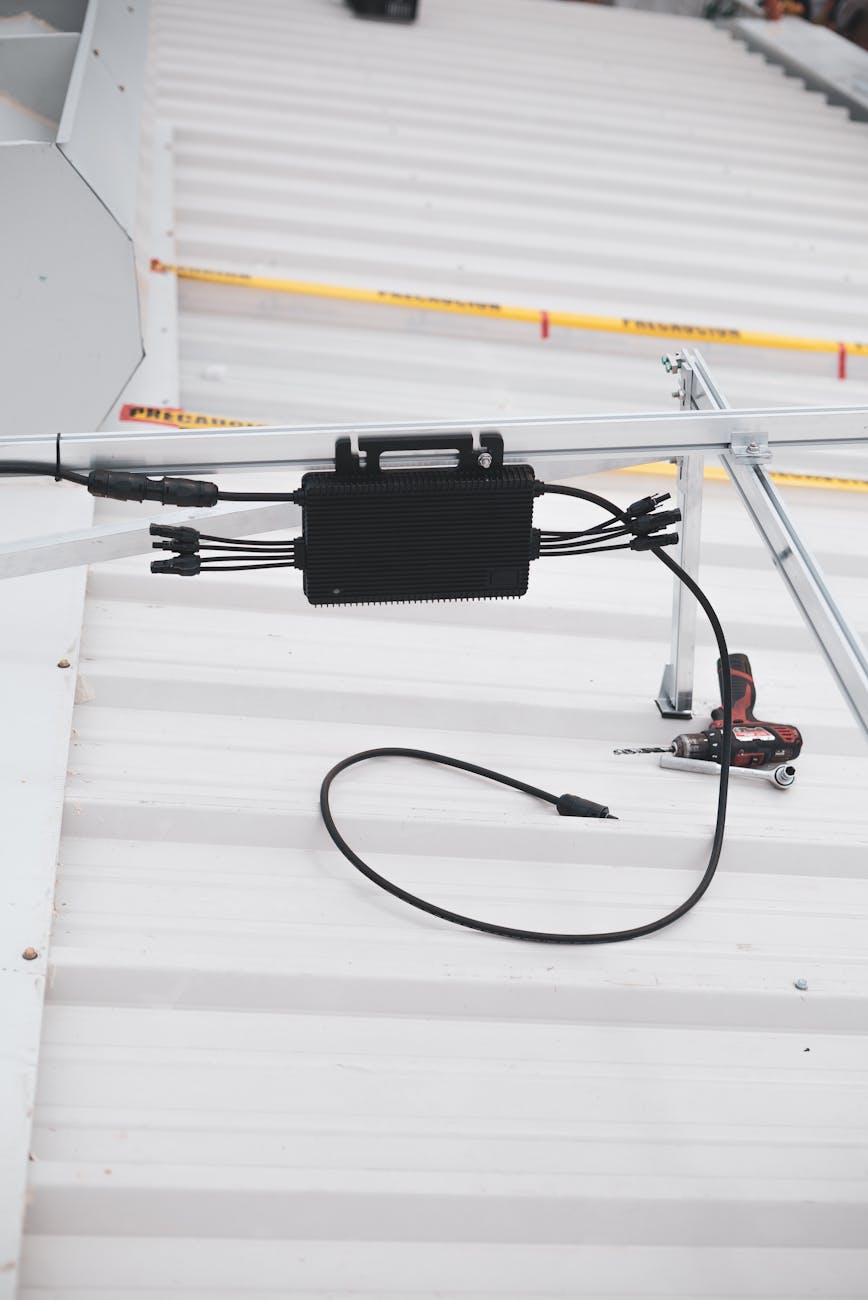
An inverter is an electrical device that converts direct current (DC) from the solar panels into alternating current (AC), which is the standard form of electricity used by most household appliances. This conversion is essential for powering everything from your fridge to your air conditioning system, ensuring comfort and functionality on the road.
Types of Inverters:
There are three main types of inverters commonly used in RV solar systems:
- Pure Sine Wave Inverters: These inverters produce a smooth and consistent wave, similar to the electricity supplied by utility companies. They are ideal for sensitive electronics, such as laptops and medical equipment, providing the cleanest power output.
- Modified Sine Wave Inverters: These are more affordable but produce a less consistent wave. They are suitable for less sensitive devices but may not work efficiently with certain electronics.
- Square Wave Inverters: The simplest and cheapest form, but least efficient. These inverters are not recommended for use in RV solar systems due to their limited compatibility with modern appliances.
- Choosing the Right Inverter for Your RV
- Selecting the right inverter involves considering the power requirements of your RV and the types of appliances you plan to use. A high-quality solar panel setup paired with a suitable inverter can significantly enhance your energy efficiency.
- Here are some tips on choosing the right inverter:
-
- Determine Your Power Needs: Calculate the total wattage of all the appliances you plan to run simultaneously.
- Consider Efficiency: Pure sine wave inverters, while more expensive, offer better efficiency and compatibility with all types of appliances.
- Look for Built-in Features: Some inverters come with additional features like battery chargers and transfer switches, which can be beneficial for seamless energy management.
- Troubleshooting Common Inverter Issues
- Despite their reliability, inverters can sometimes encounter issues. Here are some common problems and solutions:
-
- Inverter Overload: This occurs when the power demand exceeds the inverter’s capacity. To fix this, reduce the load by turning off unnecessary appliances.
- Low Battery Voltage: Ensure your batteries are fully charged and in good condition. Regular maintenance is key, as discussed in our article on maintaining RV batteries for longevity.
- Overheating: Ensure the inverter is installed in a well-ventilated area to prevent overheating. Regularly check for dust and debris buildup.
The Importance of Inverters in Energy Conversion:
Inverters play a vital role in the energy conversion process, ensuring that every bit of solar power harnessed is converted into usable energy. This efficiency is crucial for maintaining a sustainable and autonomous lifestyle on the road.
By optimizing your inverter setup, you contribute to the overall goal of achieving energy autonomy, a key aspect of effectively managing your solar energy consumption in
Final Overview:
Choosing the right inverter is a critical step in optimizing your RV’s solar system. By understanding the different types of inverters and their functions, you can ensure that your power needs are met efficiently and reliably. For more insights into maximizing your RV’s solar capabilities, explore our guide on energy-efficient appliances for your RV.