
Author


Author: Mike Dawson
39 years old, RV traveler and gear power specialist.
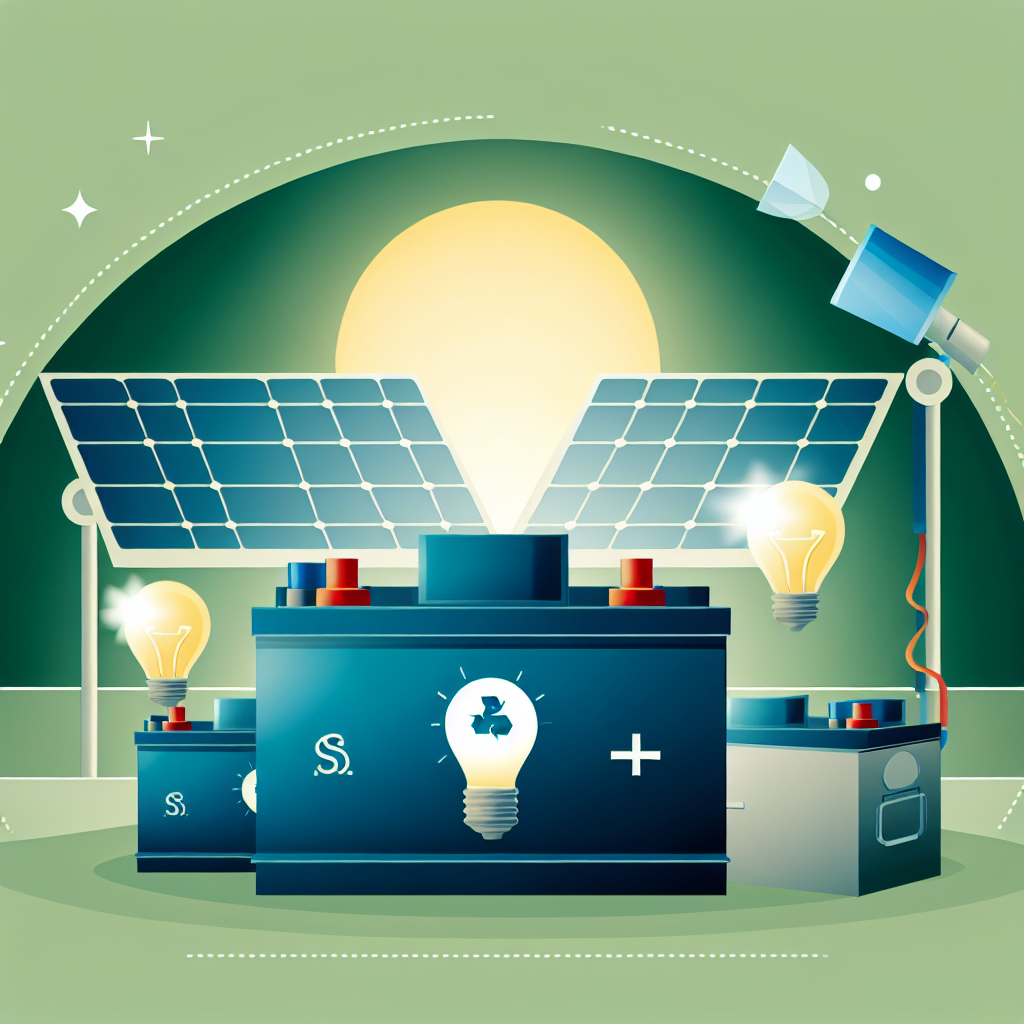
How to Maintain Your RV Batteries for Longevity
Proper maintenance of your RV batteries is crucial for ensuring their longevity and reliability. Whether you’re a seasoned RV owner or a newcomer, understanding how to care for your batteries can significantly impact your solar energy management and overall RV experience. In this guide, we will explore essential tips and techniques to maintain your RV batteries effectively.

Understanding RV Battery Basics
Before diving into maintenance, it’s important to understand the different types of RV batteries. The most common types include lead-acid batteries, AGM (Absorbent Glass Mat) batteries, and lithium-ion batteries. Each type has its own maintenance needs and lifespan.
Lead-Acid Batteries
These are the most traditional and cost-effective option. They require regular maintenance, including checking water levels and cleaning terminals to prevent corrosion.
AGM Batteries
AGM batteries are more resistant to vibrations and require less maintenance than lead-acid batteries, making them a popular choice for RV enthusiasts.
Lithium-Ion Batteries
Lithium-ion batteries are more expensive but offer a longer lifespan and require minimal maintenance, making them ideal for those who prioritize convenience and efficiency.
Essential Tips for Maintaining Your RV Batteries
Regardless of the battery type, following these maintenance tips can help extend their life and improve performance:
Regular Cleaning
Keep the battery terminals clean and free from corrosion. Use a mixture of baking soda and water to clean any build-up around the terminals, ensuring a solid connection. Rinse with clean water and dry thoroughly.
Proper Charging
Avoid overcharging your batteries as this can lead to overheating and reduced lifespan. Use a high-quality charger that matches your battery type and follow the manufacturer’s guidelines.
Water Level Checks
For lead-acid batteries, regularly check the water levels and refill with distilled water as needed. This helps maintain optimal performance and prevent battery damage.
Storage Tips
If you’re storing your RV for an extended period, disconnect the batteries and store them in a cool, dry place. Ensure they are fully charged before storage and recharge them every few months to maintain their health.
Temperature Management
Extreme temperatures can affect battery performance. Keep your batteries within the recommended temperature range to avoid damage and ensure efficient operation.
Common Issues and Solutions
Even with regular maintenance, you may encounter some common battery issues. Here’s how to address them:
Sulfation
Sulfation occurs when lead-acid batteries are left discharged for too long. It can be prevented by keeping the batteries fully charged and using a desulfator device if needed.
Corrosion
Corrosion can be managed by regular cleaning and applying a protective coating to the terminals. Ensure proper ventilation in your battery compartment to reduce moisture.
Voltage Drops
Monitor your battery voltage regularly. If you notice significant drops, it may indicate a problem with the charging system or the need for battery replacement.
Connecting Battery Maintenance with Solar Energy Management
Well-maintained batteries are crucial for effective solar energy management in your RV. They store energy efficiently and ensure a steady power supply. To learn more about optimizing your solar energy usage, check out our comprehensive guide on How to Manage Your Solar Energy Consumption in an RV.
Additionally, if you’re considering upgrading your solar setup, explore the Top 5 Solar Panels for RVs in 2023 for the best options available this year.
By following these maintenance tips and understanding the role of your batteries, you can enhance your RV’s energy efficiency and enjoy a reliable power supply on your adventures.