Author

Comparing portable vs. fixed solar panels for RVs
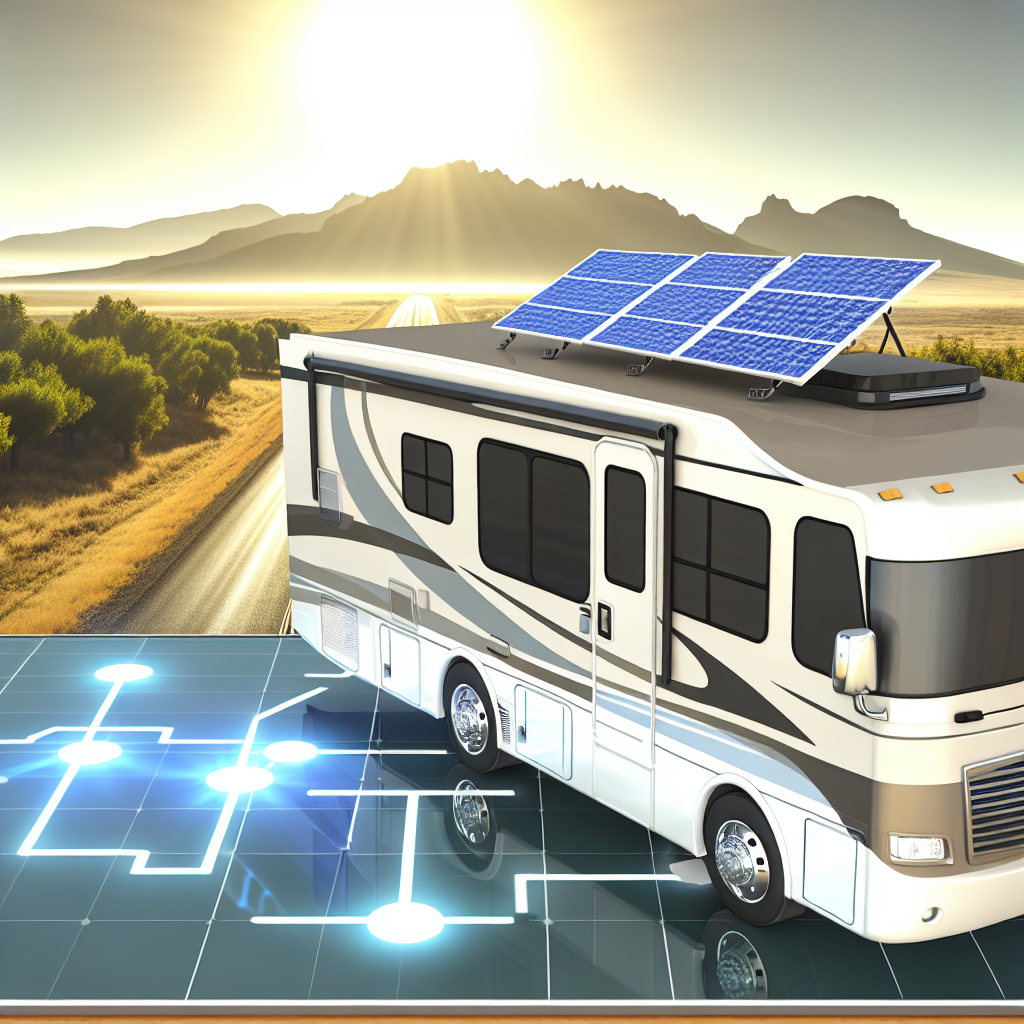
As more RV enthusiasts turn to solar energy to power their adventures, understanding the differences between portable and fixed solar panels becomes crucial. Each option offers unique benefits and challenges, depending on your travel habits, energy needs, and budget. This guide will help you weigh the pros and cons of each type to make an informed decision for your RV.
Understanding RV solar energy management
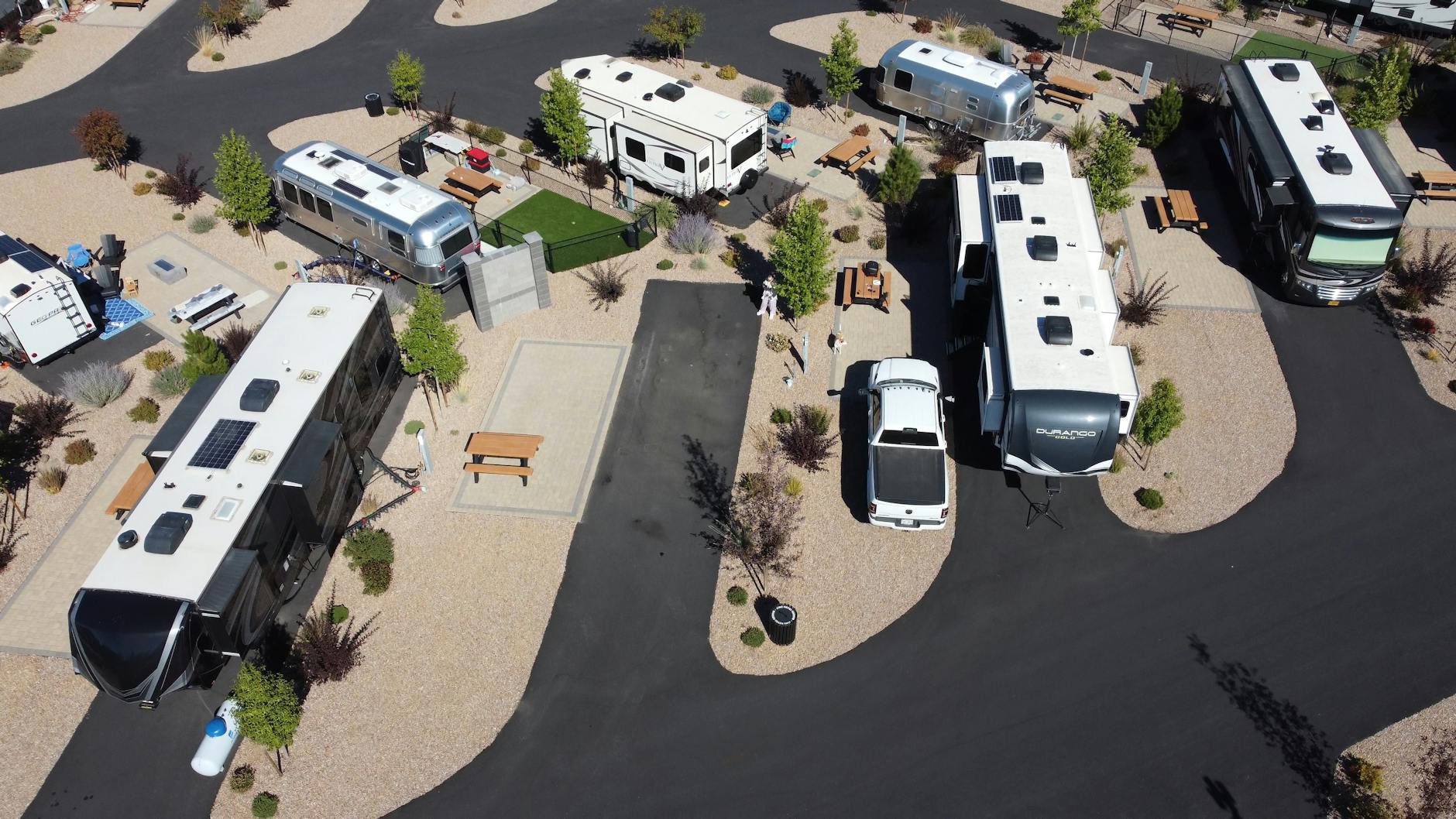
Solar energy management in RVs involves harnessing sunlight to provide a sustainable power source for your travels. Efficient energy management ensures that you have enough power for appliances, lights, and other electronics without relying on traditional fuel sources. Choosing the right solar panels is a critical component of this process.
Advantages of portable solar panels
Portable solar panels offer flexibility, allowing you to position them for optimal sunlight exposure. This can be particularly beneficial if you frequently camp in shaded areas. Other advantages include:
- Easy setup and storage: Portable panels can be easily packed away when not in use, freeing up space.
- Versatility: These panels can be used in various locations, not just on your RV.
- Mobility: You can move them to follow the sun throughout the day, maximizing energy capture.
- Security concerns: Being detachable, they are more susceptible to theft.
- Weather dependency: Need to be manually adjusted for optimal sun exposure.
- Less efficient energy capture: May not provide consistent energy in less sunny environments.
- Consistent energy supply: Permanently installed panels offer continuous energy capture.
- Security: Fixed panels are more secure since they are attached to the RV.
- Low maintenance: Once installed, they require minimal adjustment or management.
- Installation cost: Higher initial setup costs due to installation requirements.
- Limited flexibility: Cannot be repositioned to capture optimal sunlight.
- Permanent installation: Takes up roof space permanently, which might be a limitation for some RV owners.
Disadvantages of portable solar panels
Despite their flexibility, portable panels have some downsides:
Benefits of fixed solar panels
Fixed solar panels are permanently mounted on your RV, providing a reliable energy source. Benefits include:
Drawbacks of fixed solar panels
While fixed panels offer reliability, they also have limitations:
Deciding which is best for your RV needs
Choosing between portable and fixed solar panels depends largely on your travel style and energy requirements. If you frequently change campsites or enjoy boondocking in shaded areas, portable panels might be more suitable. However, for those seeking a more permanent solution with less ongoing management, fixed panels could be the better choice.
Making the sustainable travel choice
Incorporating solar panels into your RV setup not only enhances your autonomy but also promotes sustainable travel. By reducing reliance on traditional energy sources, you contribute to a greener planet while enjoying the freedom of the open road.