
Author

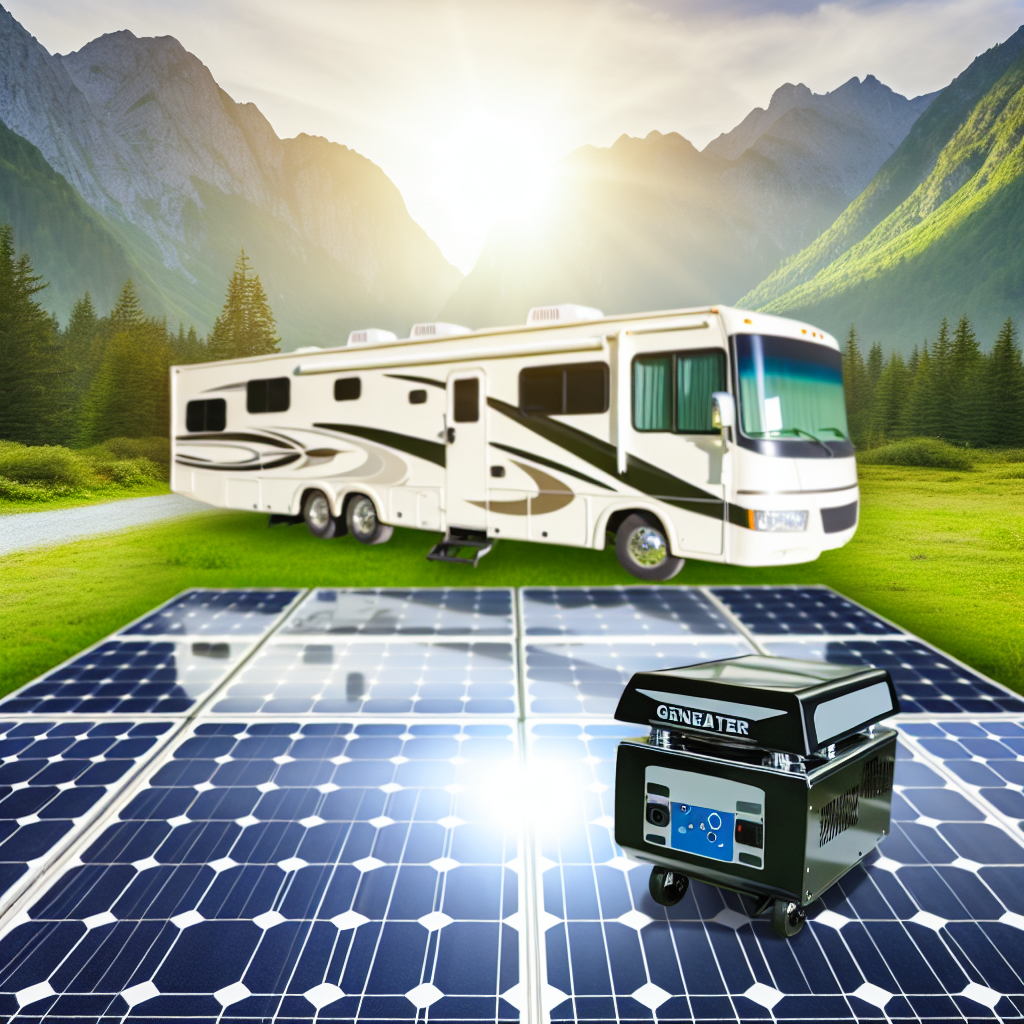
Pros and cons of RV solar power vs. generators
Choosing the right power source for your RV adventures can be challenging. With the rise of sustainable travel, many RV owners are considering switching from traditional generators to solar power systems. In this article, we will explore the pros and cons of RV solar power versus generators, focusing on cost, efficiency, and sustainability. We will also link back to essential topics like RV solar energy troubleshooting: common issues and fixes for a comprehensive understanding.
Cost considerations
Initial investment is a significant factor when comparing RV solar power and generators. Solar power systems generally require a higher up-front cost due to the price of solar panels, batteries, and inverters. However, once installed, they offer free energy from the sun. On the other hand, generators are typically less expensive to purchase initially but incur ongoing costs for fuel and maintenance.
Long-term savings can make solar power more attractive. As fuel prices fluctuate, the cost of running a generator can grow over time. In contrast, solar power systems require minimal ongoing expenses, mostly related to maintenance, such as keeping panels clean. For helpful tips on maintenance, see how to clean and maintain RV solar panels for optimal performance.
Efficiency and convenience
When it comes to efficiency, solar power systems have an edge in silent operation. They generate electricity quietly, making them ideal for use in nature where noise pollution is a concern. Generators, however, are known for their noise, which can be disruptive, especially in quiet campsites.
Solar power is dependent on sunlight, which means its efficiency varies with the weather and time of day. Generators provide a steady power supply regardless of environmental conditions, making them more reliable in areas with frequent cloud cover or during the night.
Sustainability and environmental impact
Solar power is a renewable energy source, offering a clean and sustainable way to power your RV. It reduces your carbon footprint, aligning with the growing trend towards environmentally friendly travel. Generators, conversely, rely on fossil fuels, producing emissions that contribute to environmental pollution.
Transitioning to solar power supports sustainable travel, and for those interested in maximizing efficiency, it’s crucial to understand factors like the impact of shading on RV solar panel efficiency to optimize energy capture.
Flexibility and off-grid capabilities
For off-grid adventures, solar power systems offer greater flexibility. They allow RV owners to stay off-grid longer without needing to refuel, as long as the sun is shining. This independence from fuel sources enables more remote and extended travel.
Generators, while reliable, require access to fuel, which can limit travel options or require careful planning to ensure fuel availability. However, they provide immediate power on demand, making them a reliable choice for those who prioritize consistent energy access.
Maintenance and durability
Solar power systems have minimal maintenance requirements compared to generators. Maintaining clean panels and ensuring proper system function can extend the life of a solar setup. Generators, however, need regular maintenance, including oil changes and mechanical inspections, to remain operational.
For RV owners looking to troubleshoot solar system issues, understanding the tools required is crucial. Refer to essential RV solar system tools for troubleshooting to keep your system running smoothly.
In summary, the choice between RV solar power and generators depends on your priorities. Solar power offers a sustainable, quiet, and flexible energy solution with long-term cost benefits, while generators provide reliability and consistent power output regardless of weather conditions. By considering these factors, RV owners can make informed decisions to suit their travel needs and environmental goals.