
Author

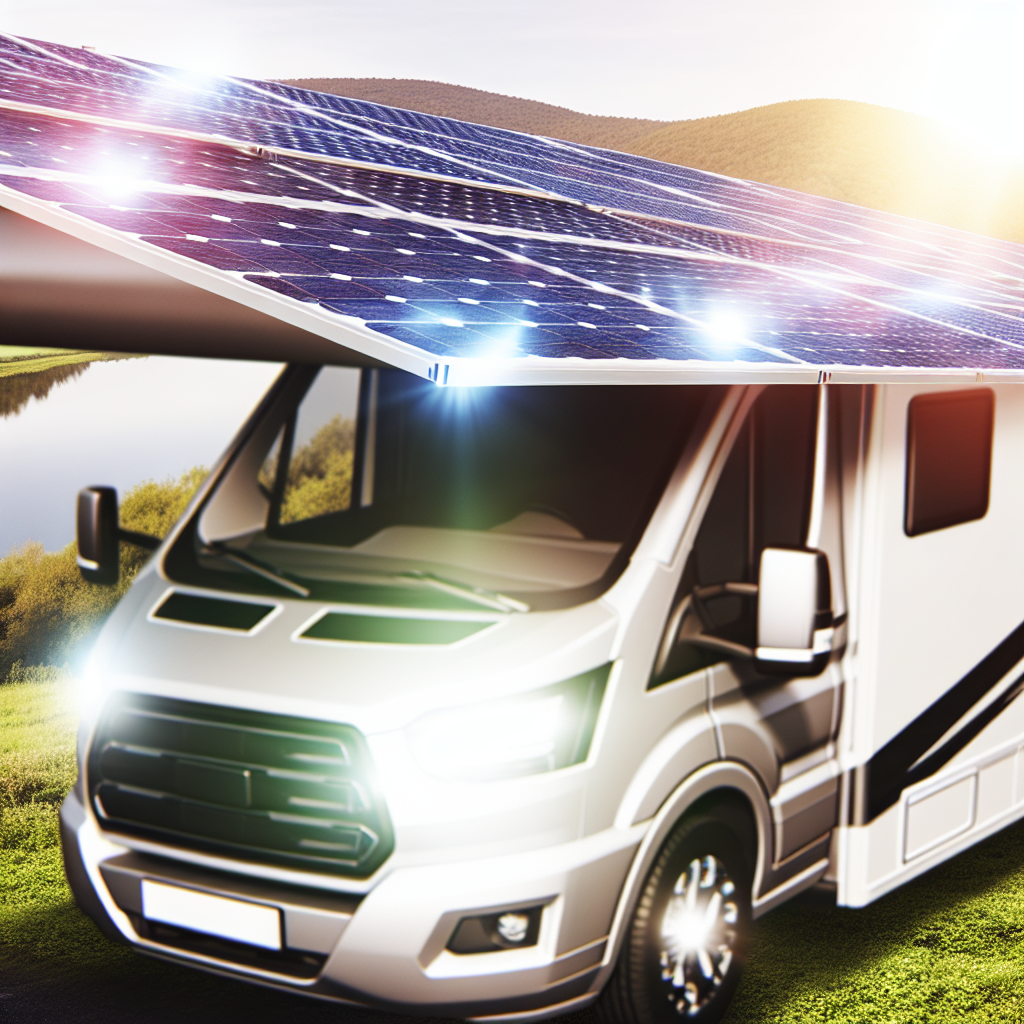
The impact of shading on RV solar panel efficiency
Solar panels are a popular choice for powering RVs, providing an eco-friendly and efficient way to enjoy off-grid adventures. However, one of the most significant challenges that can impact their performance is shading. Understanding how shading affects your RV solar panels and learning strategies to minimize its impact are crucial for maintaining optimal energy output.
How shading affects solar panel efficiency
Shading can have a profound impact on the efficiency of solar panels. Even small amounts of shade can significantly decrease their power output. This is because solar panels are made up of multiple cells connected in series, and when a single cell is shaded, it can disrupt the flow of electricity through the entire panel. This reduction in efficiency can lead to insufficient power generation, impacting the functionality of your RV’s appliances and systems.
Common sources of shading
Recognizing common sources of shading is the first step in mitigating its effects. Trees, other vehicles, buildings, and even components of the RV itself, such as air conditioning units or roof vents, can cast shadows on solar panels. The movement of the sun throughout the day also means that panels may be subjected to varying degrees of shading depending on the time.
Strategies to minimize shading impact
There are several strategies you can employ to minimize the impact of shading on your RV solar panels:
- Optimal positioning: Make sure to park your RV in a location where the solar panels receive maximum sunlight exposure. Avoid parking near tall trees or buildings that can cast long shadows.
- Use of bypass diodes: Many modern solar panels come equipped with bypass diodes, which allow electricity to flow around shaded cells, minimizing the impact on the entire panel.
- Regular maintenance: Regularly clean and maintain your RV solar panels to ensure they are free from dirt and debris that can add to shading issues.
- Adjustable mounts: Consider using adjustable mounts that allow you to change the angle of your panels to capture the most sunlight throughout the day.
- Face panels south: In the northern hemisphere, orienting your panels to face south will typically yield the best results, as this direction receives the most sunlight throughout the day.
- Optimize tilt angle: Adjust the tilt angle of your panels according to your latitude and the season to maximize exposure to the sun’s rays.
- Avoid self-shading: Ensure that parts of the RV, like roof racks or antennas, do not cast shadows on the panels.
- Microinverters: Unlike traditional inverters, microinverters are installed on each panel, allowing them to operate independently. This means that if one panel is shaded, it does not affect the output of the others.
- Power optimizers: These devices can be installed on each panel to maximize their power output by adjusting the voltage and current to the optimal levels.
Positioning tips for better energy capture
Proper positioning and angle adjustment are essential for maximizing solar panel efficiency. Here are some tips to keep in mind:
Technological solutions to shading issues
In addition to manual strategies, technology can also play a role in mitigating shading effects:
By implementing these strategies and technologies, you can significantly reduce the impact of shading on your RV solar panels and ensure a more reliable and efficient energy supply. For a comprehensive guide on addressing other common issues with RV solar systems, visit our RV solar energy troubleshooting: common issues and fixes article.