
Author

Maximizing RV battery life with smart solar charging
Prolonging the life of your RV battery is essential for enjoying seamless off-grid adventures. With the right solar charging strategies, you can ensure your battery remains in top condition, delivering power efficiently. This article delves into the techniques and tools necessary for maximizing your RV battery life through smart solar charging.
Understanding the importance of charge controllers
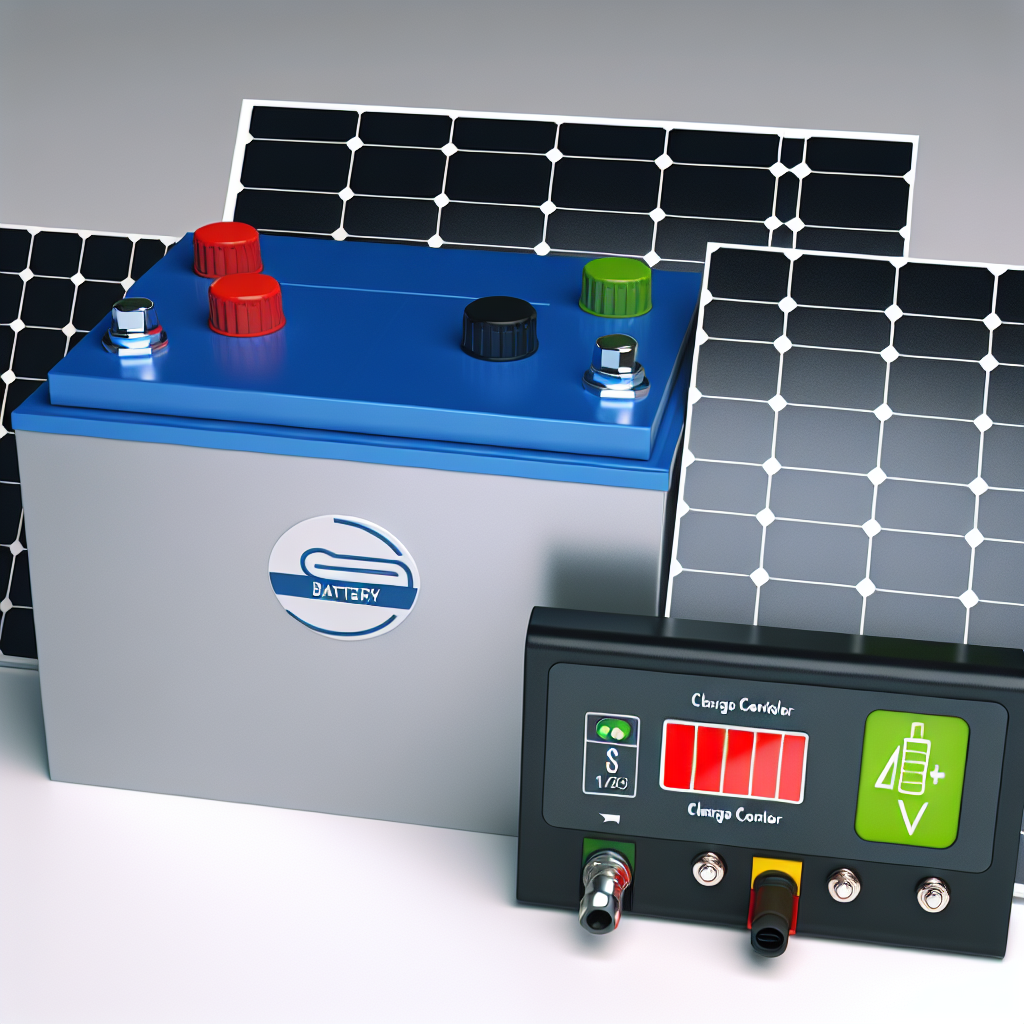
Charge controllers play a pivotal role in maintaining battery health. They regulate the voltage and current coming from the solar panels, preventing overcharging and ensuring the battery is charged at the correct voltage. There are two primary types of charge controllers: PWM (Pulse Width Modulation) and MPPT (Maximum Power Point Tracking). Each has its advantages, but MPPT controllers are generally more efficient, especially in colder conditions or when the solar panel voltage is higher than the battery.
Optimal charging practices for RV batteries
To extend the life of your RV battery, it is crucial to follow optimal charging practices:
- Regular monitoring: Utilize a battery monitor to track voltage levels and charging status. This helps in identifying any discrepancies early.
- Avoid deep discharges: Discharging your battery below 50% can significantly reduce its lifespan. Aim to keep the charge above this threshold.
- Temperature management: Batteries can be sensitive to extreme temperatures. Ensure they are stored in a well-ventilated and temperature-controlled environment.
Preventing overcharging and undercharging
Overcharging and undercharging are common pitfalls that can damage your RV battery. Charge controllers are essential in preventing these issues by regulating the flow of electricity to the battery. Additionally, investing in a smart charger that automatically adjusts to the battery’s needs can provide an extra layer of protection.
Integrating solar panels for efficient charging
Proper integration of solar panels is crucial for efficient battery charging. Ensure that your panels are clean and well-maintained to maximize their output. For more tips on maintaining your panels, check out how to clean and maintain RV solar panels for optimal performance.
Positioning your panels to minimize shading is also critical. For detailed strategies, refer to the article on the impact of shading on RV solar panel efficiency.
Choosing the right components for your solar system
The efficiency of your solar charging setup depends on the compatibility and quality of its components. Selecting the right inverter is crucial. Refer to choosing the right inverter for your RV solar system for guidance. Additionally, ensure that your charge controller and battery are compatible and rated for your system’s power output.
Regular maintenance and monitoring
Regular maintenance is key to extending your battery’s life. This includes cleaning terminals, checking for corrosion, and ensuring all connections are secure. Frequent monitoring can help detect issues early, preventing potential damage. Equip yourself with the necessary tools for troubleshooting your solar system by reading about essential RV solar system tools for troubleshooting.
Lastly, understanding the limitations and benefits of solar power compared to other energy sources is important. For a comprehensive comparison, explore the article on pros and cons of RV solar power vs. generators.
Recommended product: 30A RV Surge Protector
If you camp in RV parks, a 30A surge protector helps reduce the risk of damage from voltage spikes and wiring issues at the pedestal.
Good option for 30A hookups at RV parks
As an Amazon Associate, I earn from qualifying purchases.