
Author

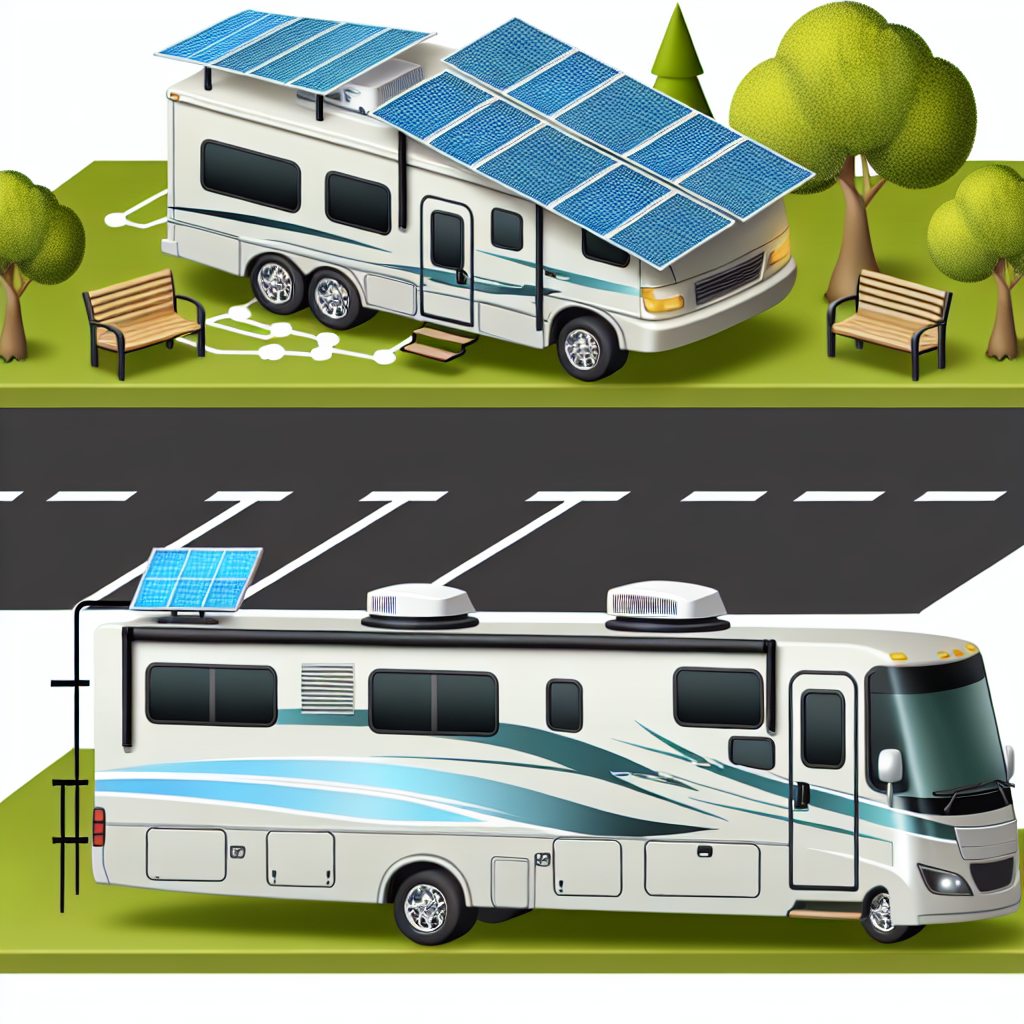
Integrating backup power sources with RV solar systems for reliable energy
Traveling in a recreational vehicle (RV) offers freedom and adventure, but ensuring a reliable energy supply is crucial for a seamless journey. With the increasing popularity of RV solar systems, integrating backup power sources is essential to enhance autonomy and sustain long-term travel. This guide explores how to effectively combine backup power with your solar setup, addressing potential energy shortages and ensuring a continuous power supply.
Understanding RV solar systems
RV solar systems harness solar energy to provide a renewable power source for your vehicle. These systems typically include solar panels, a charge controller, an inverter, and batteries. Solar panels capture sunlight and convert it into electricity, which is then stored in batteries for later use. The charge controller regulates the flow of electricity, preventing overcharging, while the inverter transforms DC power into AC power for household appliances.
Why integrate backup power sources?
While solar energy is abundant and sustainable, it is not always consistent. Weather conditions, geographical location, and seasonal changes can impact solar energy production. Integrating backup power sources ensures that your energy needs are met even during periods of low solar output. This is particularly important for long-term travelers who rely on a steady power supply for cooking, heating, and electronic devices.
Types of backup power sources
Generators
Generators are a popular choice for backup power. They are reliable, easy to use, and can run on various fuels such as gasoline, diesel, or propane. When solar energy is insufficient, a generator can provide the necessary power to keep your RV systems running smoothly.
Battery banks
Expanding your battery bank is another effective way to ensure backup power. By adding more batteries, you can store additional solar energy for use during cloudy days or at night. Lithium-ion batteries are particularly efficient, offering a longer lifespan and better performance compared to traditional lead-acid batteries.
Hybrid inverters
Hybrid inverters are designed to work seamlessly with both solar and backup power sources. They can automatically switch between solar power, battery storage, and a generator, ensuring a consistent energy supply without manual intervention.
Steps to integrate backup power with RV solar systems
Assess your energy needs
Begin by evaluating your energy consumption. Consider the appliances and devices you use regularly and calculate their power requirements. This will help you determine the capacity needed for both your solar system and backup power sources.
Select compatible components
Ensure that the components of your solar system and backup power sources are compatible. This includes checking the voltage and capacity of your batteries, the output of your generator, and the compatibility of your inverter.
Install and configure your system
Follow the manufacturer’s instructions to install and configure your solar system and backup power sources. If you’re not confident in your technical skills, consider hiring a professional to ensure a safe and efficient setup.
Monitor and maintain your system
Regularly monitor your energy system to ensure it’s functioning correctly. Perform routine maintenance on your solar panels, batteries, and generator to extend their lifespan and maintain efficiency.
Benefits of an integrated power system
By integrating backup power sources with your RV solar system, you gain increased autonomy and flexibility. You can travel to remote locations without worrying about power shortages, and enjoy a more sustainable and eco-friendly way of living. Additionally, having a reliable power supply enhances the comfort and convenience of your RV lifestyle.