
Author

The cost benefits of using solar power in RVs
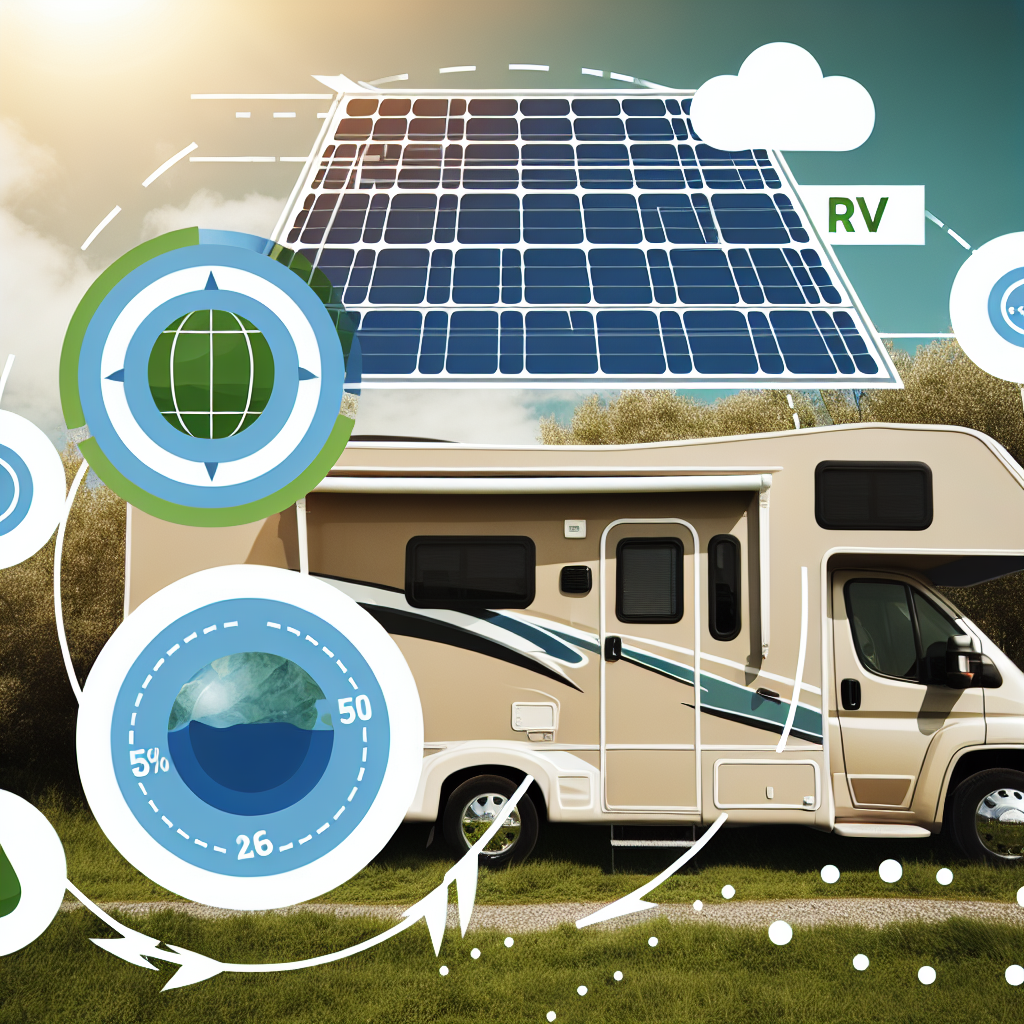
Adopting solar power for your recreational vehicle (RV) is not only an environmentally conscious decision but also a financially savvy one. With rising fuel costs and a growing emphasis on sustainable travel, exploring the financial advantages of installing solar power in your RV is more relevant than ever. From reduced fuel expenses to long-term savings, the cost benefits are significant and multifaceted.
Initial investment and installation costs
One of the primary considerations when contemplating solar power for your RV is the initial investment. The cost of solar panels and installation has decreased significantly over the years, making it more accessible for RV owners. While the upfront cost can range from $500 to $5,000 depending on the size and quality of the system, this investment can be recuperated over time through various savings.
Choosing the right solar panels is crucial for maximizing cost efficiency. Factors such as panel efficiency, durability, and warranty should be considered. For more insights on selecting the best panels, refer to our guide on how to choose the right solar panels for your RV.
Reduction in fuel costs
One of the most immediate financial benefits of installing solar power in your RV is the reduction in fuel costs. By harnessing the sun’s energy to power your appliances and devices, you reduce the need to rely on gasoline or diesel-powered generators. This not only cuts down on fuel expenses but also decreases the environmental footprint of your travels, aligning with the goals discussed in understanding the environmental impact of RV solar systems.
Long-term savings and incentives
Beyond the reduction in fuel costs, solar power offers substantial long-term savings. With minimal maintenance required, the cost of upkeep is considerably lower than traditional power generation methods. Moreover, many regions offer tax incentives and rebates for solar installations, further enhancing the financial appeal. These incentives can significantly offset the initial costs, making solar power an even more attractive option for RV owners.
Increased energy independence
Solar power grants RV owners increased energy independence, allowing for more freedom and flexibility in travel. This independence means reduced reliance on campgrounds with electrical hookups, saving on camping fees and enabling more off-grid adventures. With proper energy management, as detailed in our article on solar energy management tips for RV travelers, you can optimize your system’s efficiency for maximum savings.
Resale value and market appeal
Installing solar power in your RV can also increase its resale value. As sustainability becomes a priority for many buyers, RVs equipped with solar systems are more appealing in the market. The added feature of solar power not only enhances the vehicle’s functionality but also its attractiveness to eco-conscious consumers.
Maintenance and durability
The durability and low maintenance of solar systems contribute to their cost-effectiveness. Solar panels are designed to withstand various weather conditions, and with no moving parts, the likelihood of mechanical failure is minimal. Regular cleaning and occasional inspections are typically all that’s needed to ensure optimal performance, making solar power a low-maintenance energy solution for RVs.
In summary, the cost benefits of using solar power in RVs are manifold. From immediate reductions in fuel costs to long-term savings and increased resale value, solar power is a strategic financial investment. By considering the initial costs and potential incentives, RV owners can make informed decisions that benefit both their wallets and the environment.