
Author

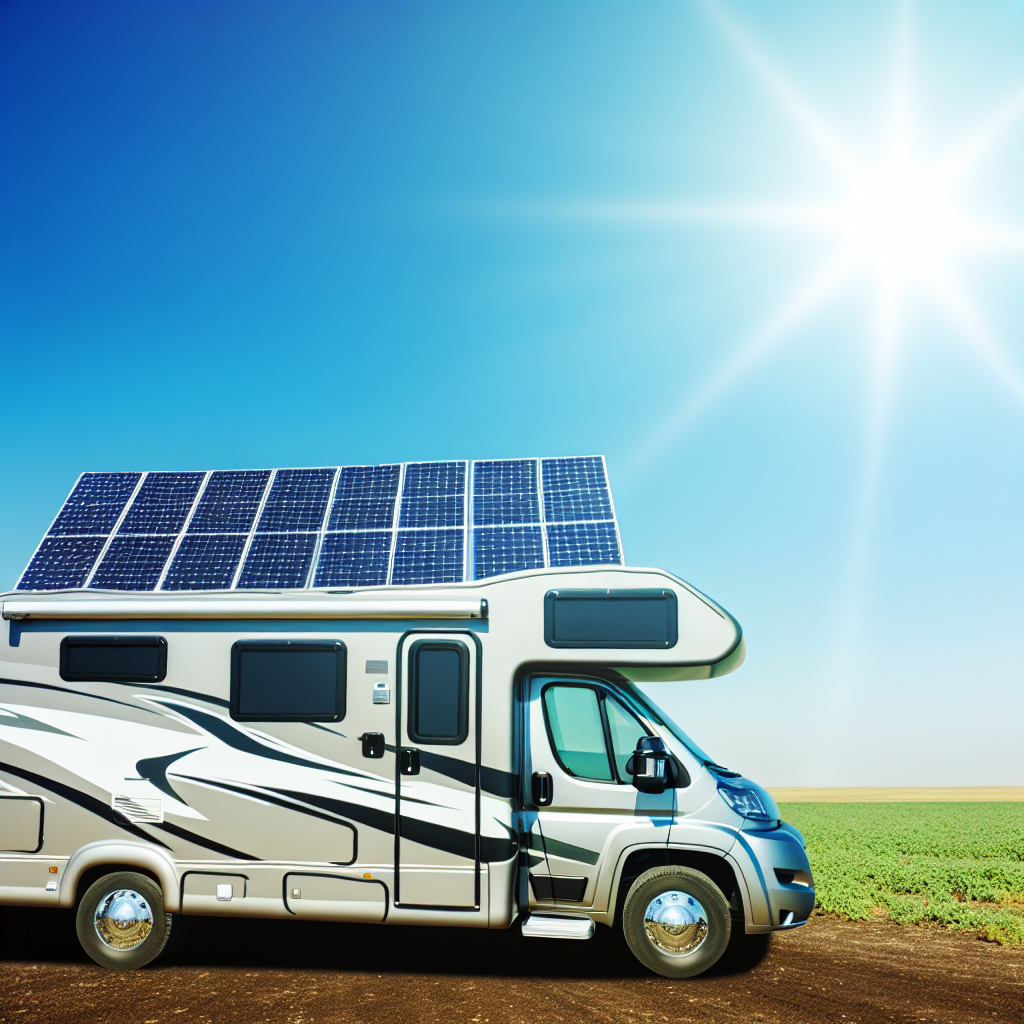
How to choose the right solar panels for your RV
Choosing the right solar panels for your RV is crucial to ensure maximum efficiency and sustainability during your travels. With the increasing popularity of sustainable travel, many RV owners are turning to solar power as a reliable and eco-friendly energy source. This guide will walk you through the key factors to consider when selecting solar panels for your RV, helping you make informed decisions that align with your energy needs and environmental goals.
Understanding your energy needs
Before purchasing solar panels, it’s essential to assess your energy consumption. Calculate the total wattage of the appliances and devices you plan to use in your RV. This includes lights, refrigerator, fans, and any other electronics. By understanding your energy needs, you can determine the size and number of solar panels required to meet your power demands.
Calculating your wattage requirements
To calculate your wattage requirements, list all the devices you plan to use and their corresponding wattage. Multiply the wattage by the number of hours you expect to use each device daily. This will give you the total watt-hours per day, helping you determine the necessary solar panel capacity.
Types of solar panels
There are several types of solar panels available, each with unique characteristics. The most common types for RVs are monocrystalline and polycrystalline panels.
Monocrystalline panels
Monocrystalline panels are known for their high efficiency and sleek appearance. They are made from a single continuous crystal structure, which allows them to convert sunlight into electricity more effectively. Although they tend to be more expensive, their efficiency makes them an excellent choice for RVs with limited roof space.
Polycrystalline panels
Polycrystalline panels are made from multiple silicon crystals, giving them a blue hue. They are generally less expensive than monocrystalline panels, but they also have slightly lower efficiency. Polycrystalline panels are a cost-effective option for those with ample roof space and moderate energy needs.
Installation tips for RV solar panels
Proper installation is key to maximizing the performance of your solar panels. Here are some tips to ensure a successful setup:
- Choose the right location: Install your panels in a spot that receives maximum sunlight throughout the day, avoiding areas shaded by trees or other obstructions.
- Consider tilting: If possible, install panels with an adjustable tilt to capture more sunlight during different seasons.
- Secure mounting: Use durable mounting hardware to ensure your panels are securely attached to your RV roof.
- Check wiring: Ensure all wiring is properly connected and secured to prevent damage during travel.
Maximizing efficiency and sustainability
In addition to selecting the right solar panels, consider implementing energy management strategies to optimize your system’s performance. Managing your energy consumption and storage effectively can enhance your RV’s sustainability and reduce reliance on non-renewable energy sources.
For more on optimizing your solar system, check out our article on Solar energy management tips for RV travelers.
Complementing your sustainable travel goals
Choosing the right solar panels for your RV not only supports your energy needs but also aligns with a commitment to sustainable travel. By investing in solar technology, you contribute to reducing your carbon footprint and promoting eco-friendly practices. To explore the broader implications, read our main article on Understanding the environmental impact of RV solar systems.