Author

Effectively managing water storage in your camper van is essential for a comfortable and stress-free travel experience. Whether you are planning a weekend getaway or a long-term adventure, understanding how to store and manage water efficiently can make all the difference. In this guide, we will explore various storage solutions, maintenance tips, and how to ensure cleanliness and efficiency in your water system.
Choosing the right water storage solutions
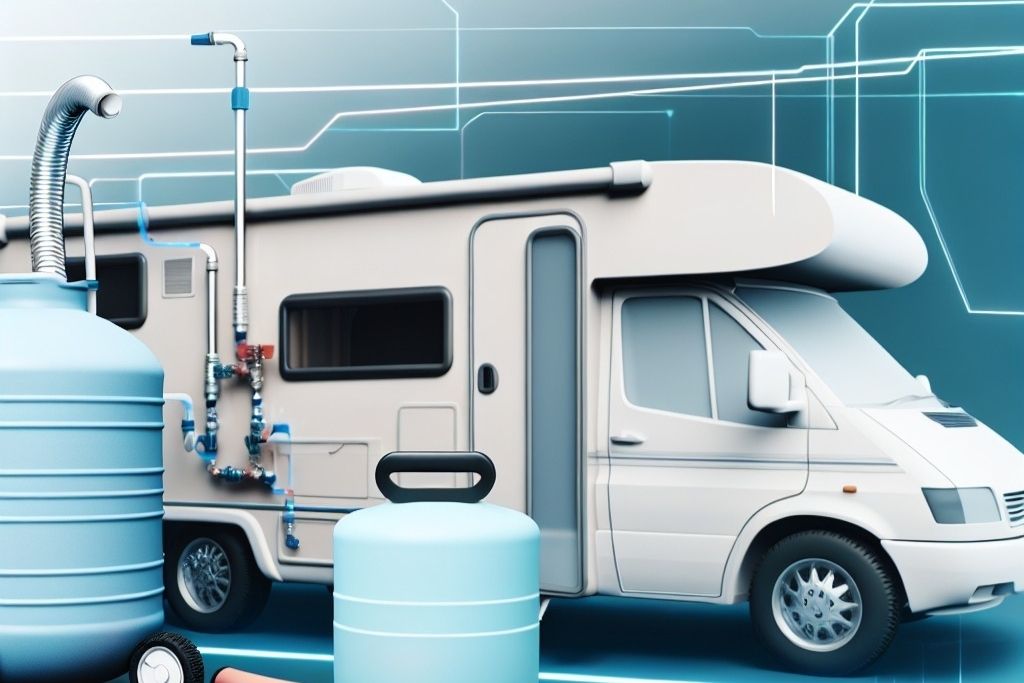
Selecting the appropriate water storage system for your camper van depends on several factors, including the size of your van, the number of travelers, and your personal water usage habits. Here are some popular options:
- Portable water containers: These are ideal for smaller vans or those with limited space. They are easy to fill, transport, and store, providing flexibility for your water needs.
- Built-in water tanks: For those who travel frequently or for extended periods, a built-in water tank can offer a more permanent solution. These tanks are usually installed under the van or inside cabinets to maximize space.
- Collapsible water tanks: These are lightweight and space-saving alternatives that can be expanded when needed and collapsed when not in use, making them a perfect choice for those with limited space.
Efficient water management strategies
Once you have chosen your storage solution, managing your water usage efficiently is crucial. Here are some strategies to help you conserve water:
- Install a water pump: A water pump ensures a consistent water flow, making it easier to manage and reduce wastage.
- Use a water-saving showerhead: Opt for low-flow showerheads to minimize water consumption without sacrificing comfort.
- Practice mindful water usage: Be conscious of how much water you use for cooking, cleaning, and personal hygiene. Small changes, like turning off the tap while brushing your teeth, can make a significant difference.
Maintaining water system hygiene
Keeping your water system clean is vital to ensure the water you use is safe for drinking and other purposes. Regular maintenance and sanitation are essential:
- Sanitize your tanks regularly: Use a mild bleach solution to clean your water tanks every few months to prevent bacterial growth.
- Install a water filter: A water filter can remove impurities and provide safer drinking water. Consider a carbon-based filter for optimal results.
- Check for leaks: Regularly inspect your system for leaks, which can lead to water wastage and potential damage to your van.
Integrating your water system with van interior setup
Integrating your water storage and management system effectively with your van’s interior setup is crucial for maximizing space and functionality. For more insights on optimizing your van setup, consider exploring Mastering van interior setup for your RV adventures. Additionally, understanding how your water system fits into your overall van layout can be beneficial. Check out Choosing the perfect van layout for your needs for layout ideas.
By thoughtfully integrating your water system with your van’s design, you can create a more efficient and enjoyable travel experience.
Adapting water solutions for different climates
Traveling through various climates can affect your water storage and management needs. In colder climates, consider insulating your water tanks and lines to prevent freezing. In hotter regions, ensure adequate ventilation to prevent bacterial growth in your tanks. These adaptations help maintain your system’s efficiency and reliability regardless of the weather conditions.
Water management in a camper van is a dynamic process that requires careful planning and regular maintenance. By choosing the right storage solutions and adopting efficient usage practices, you can ensure a seamless and enjoyable journey.« , »context_for_next_satellite »: »This article focused on water storage and management in camper vans, discussing solutions like portable containers, built-in tanks, and collapsible tanks. It emphasized strategies for efficient water use and maintaining hygiene in the water system. The integration of water systems with van interiors and adaptations for different climates were also covered. »}