
Author

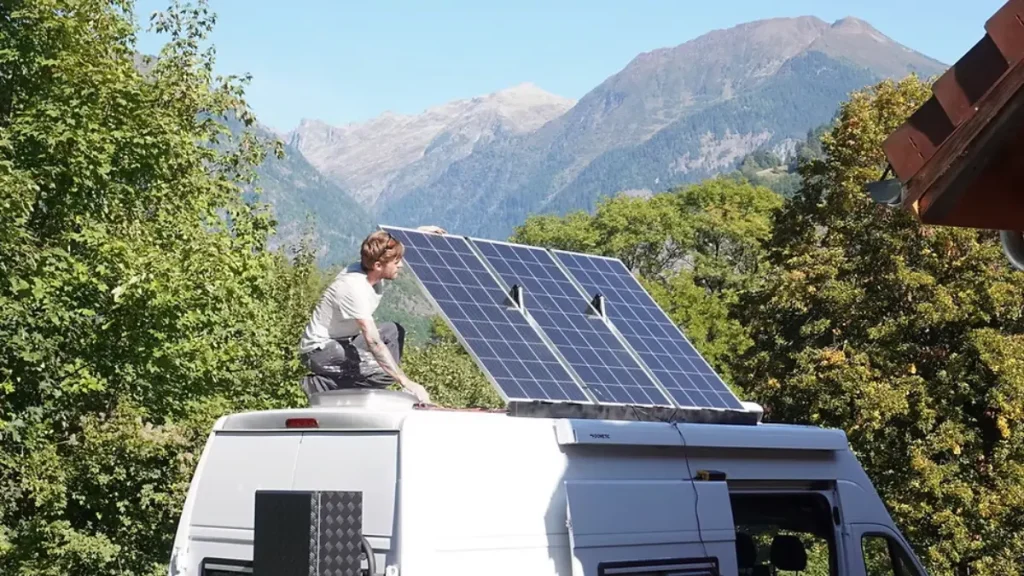
Most RV solar setups fail for one simple reason: people choose panels before understanding how much energy they actually need.
Solar panels do not create a reliable system on their own. They only replace the energy you consume.
If your daily energy use is unclear, your solar setup will always be wrong.
This guide shows you how to estimate the right number of solar panels based on real usage, not random setups or guesswork.
How Many Solar Panels Does an RV Really Need?
The real answer depends on how much energy you use per day, not on the number of panels you see in other setups.
Some RV owners run their entire system on a few hundred watts of solar. Others need much more to support full-time travel with higher energy demand.
Solar panels are not the starting point.
They are the result of your daily energy consumption and your ability to recharge consistently.
That is why two RVs with similar equipment can require completely different solar setups.
Solar Does Not Replace Battery, It Feeds It
A common mistake is thinking that solar panels power your devices directly.
In reality, solar panels charge your battery, and your battery powers your system.
This means your solar setup is only as effective as your battery capacity and your daily energy usage.
If your battery is too small, solar cannot store enough energy.
If your solar production is too low, your battery will slowly drain.
A reliable system always balances energy use, battery storage, and solar production.
Start With Daily Energy Needs (Not Panels)
Before choosing solar panels, you must know how much energy you use every day.
This is the foundation of any reliable RV solar system.
If your daily consumption is unclear, you will either oversize your solar setup or end up with something that cannot keep up with your needs.
The most effective way to start is by calculating your real daily energy use in watt-hours.
👉 Calculate your exact RV power needs before sizing your solar setup.
A Simple Solar Sizing Formula That Works
A practical solar estimate starts with one question: how much energy do you need to put back into the battery each day?
A simple way to think about it is:
Daily energy use (Wh) useful sun hours = solar watt target
Example:
1,200Wh per day ÷ 4 sun hours = 300W minimum solar target
This is only a starting point.
Real-world solar production is affected by weather, angle, heat, shade, and system losses, which is why a small safety margin usually makes sense.
Daily energy use (Wh) ÷ useful sun hours = solar watt target
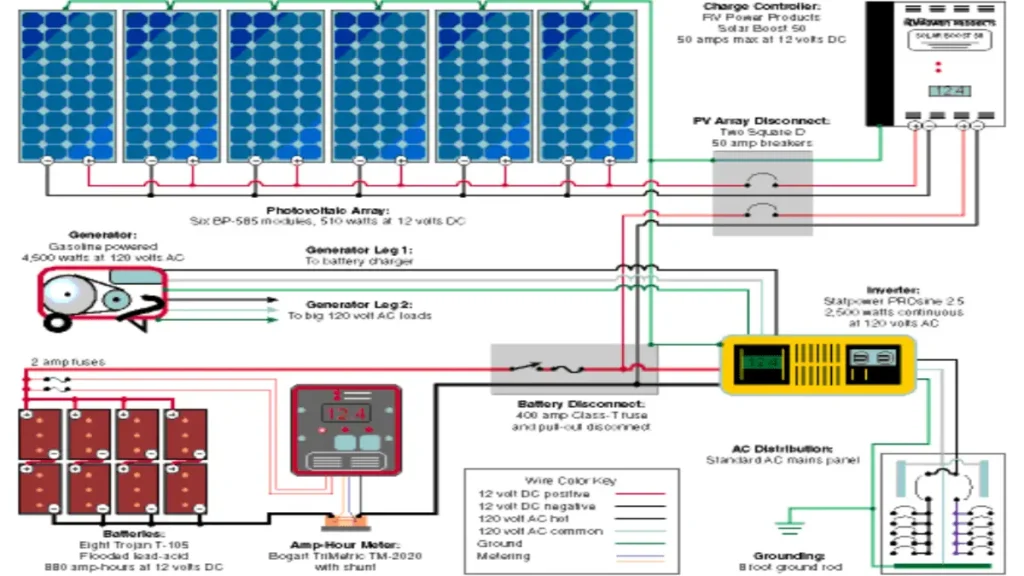
Typical Solar Setup Examples for RV
Light travel setup (300–800Wh/day):
Around 100W to 300W of solar
Moderate setup (800–1500Wh/day):
Around 300W to 600W of solar
Full comfort setup (1500–3000Wh/day):
600W to 1200W+ solar
Good to know:
These ranges are simplified estimates.
They give a realistic starting point before fine-tuning your system.
How to Size Your RV Battery Bank
Your battery capacity should match your daily energy usage and how many days you want to stay off-grid.
Daily energy use
1000Wh/day
Days of autonomy
2 days
Battery target
2000Wh
Basic idea:
Battery capacity (Wh) = Daily energy use × days of autonomy
Example:
1000Wh × 2 = 2000Wh battery capacity
In real setups, usable capacity depends on battery type.
Lithium batteries (LiFePO4) can use about 80–90% of their capacity.
Lead-acid batteries should only use about 50% to preserve lifespan.
This means your real battery size will often need to be larger than your calculated energy needs.
This is where most people make mistakes when sizing their system.
Most RV setups are either undersized or overpriced because of wrong estimates.
A simple calculation can save you money and avoid system mistakes.
Build Your RV System With Confidence
Start with real numbers, not assumptions.
Once you understand your energy use, choosing batteries, solar panels, and inverters becomes much easier.
Battery size is only one part of a reliable setup. To understand how batteries, solar panels, charging sources, and inverters work together, read this complete RV power system setup guide.