
Author

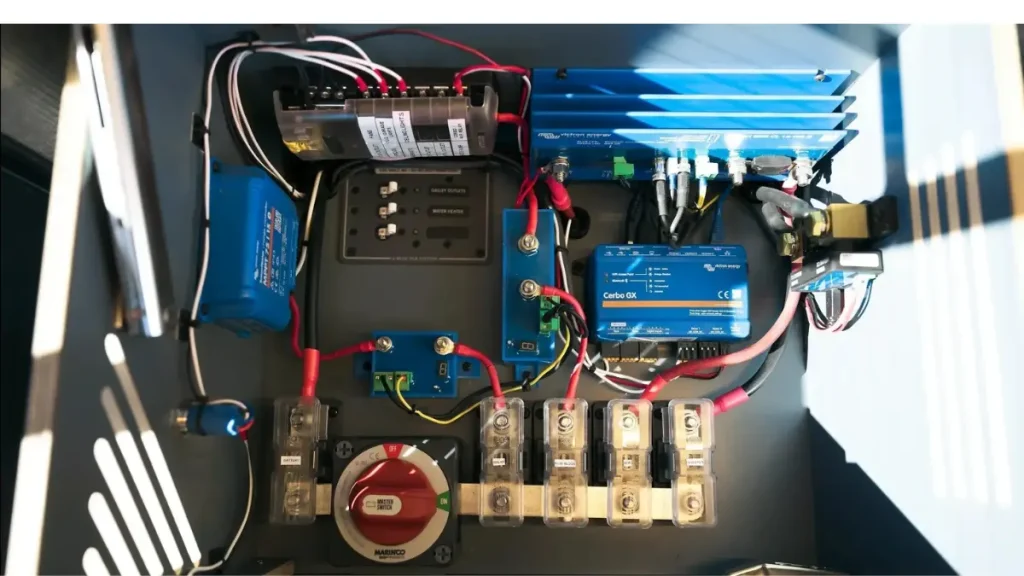
Most RV battery setups are oversized, expensive, and still poorly matched to real travel needs.
The problem is simple: people choose batteries before understanding how much energy they actually use.
If your daily consumption is wrong, your battery will be wrong.
This guide fixes that.
You will learn how to estimate the right battery size based on real usage, not marketing numbers, and avoid wasting money on unnecessary capacity.
How Much Battery Does an RV Really Need?
The honest answer is simple: it depends on how much energy you use per day and how often you recharge.
A battery is not a standalone component. It is just storage.
If you consume 800Wh per day, you do not need a 3000Wh battery. If you consume 2000Wh per day, a small battery will not work no matter how efficient your system is.
Battery size is always a consequence of energy use.
Battery Size Starts With Daily Energy Use
Before thinking about batteries, you must know your daily energy consumption.
This is exactly what the RV power usage calculator helps you determine.
If you have not calculated your daily watt-hours yet, start there first.
👉 Calculate your real daily energy needs before choosing a battery.
Once you know your daily usage, battery sizing becomes straightforward instead of confusing.
Watt-Hours vs Amp-Hours for RV Battery Planning
Many RV owners get confused between amp-hours and watt-hours.
Amp-hours depend on voltage. Watt-hours represent real usable energy.
For example:
A 100Ah battery at 12V = 1200Wh
This is why watt-hours are more useful for planning.
Always think in watt-hours first, then convert to amp-hours if needed.
A Simple RV Battery Size Formula That Actually Helps
Battery size can be estimated with a simple approach:
Daily energy use (Wh) × number of days without charging
Example:
Daily usage: 800Wh
2 days autonomy → 1600Wh battery
Then adjust for:
- battery type (lithium vs lead-acid)
- usable capacity
- safety margin
This method gives a realistic starting point instead of guessing.
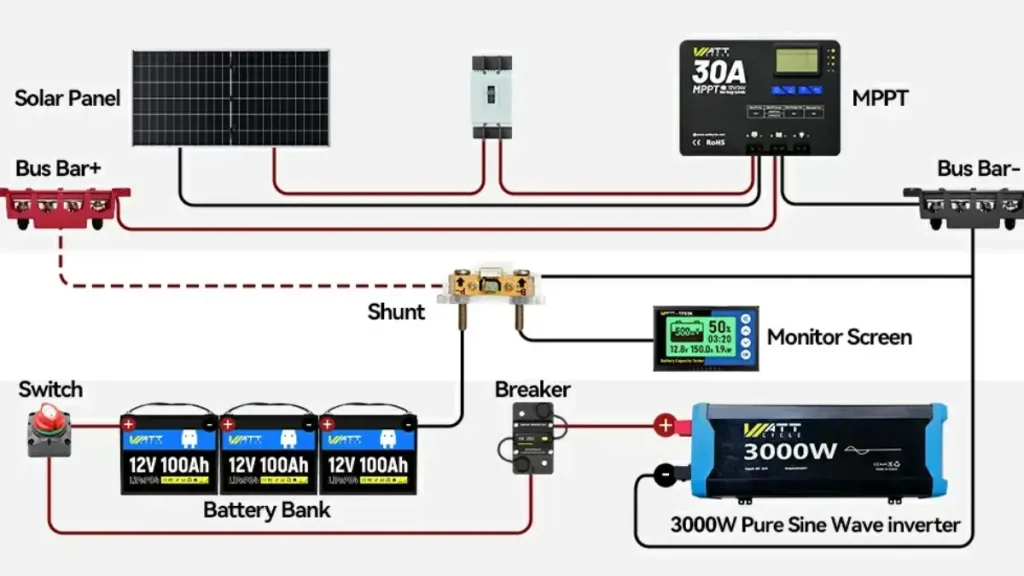
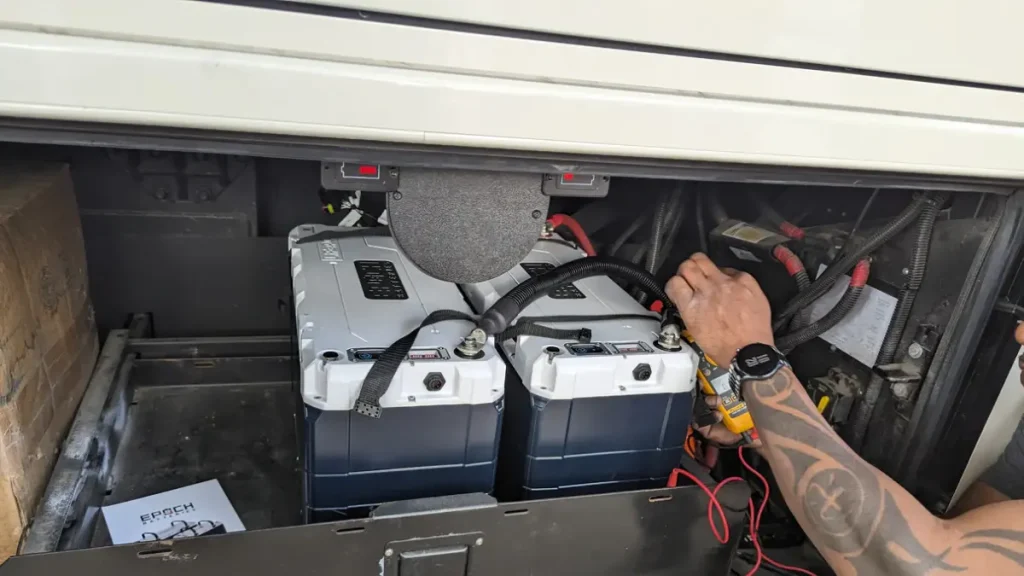
Battery Size Examples for Real RV Use
Light setup:
300–800Wh/day → small lithium battery (500–1500Wh)
Moderate setup:
800–1500Wh/day → mid-size battery (1500–3000Wh)
Full comfort setup:
1500–3000Wh/day → large battery system (3000Wh+)
These are not rules, just realistic ranges based on actual usage.
What Changes Battery Size in Real Travel Conditions
Battery size is not only about consumption.
It also depends on:
- solar production
- driving time (alternator charging)
- weather conditions
- travel frequency
Someone driving daily needs less battery than someone parked for days.
Battery sizing is always linked to your travel style.
Common RV Battery Sizing Mistakes
The most common mistakes are:
Oversizing the battery without understanding usage
Ignoring real daily consumption
Trusting generic setups found online
Mixing amp-hours and watt-hours incorrectly
These mistakes lead to wasted money and inefficient systems.
Choose Your Starting Point
If you want a complete understanding of RV energy systems, start with the full guide.
If you want a direct answer based on your real usage, use the calculator.
Most readers start with the calculator.