
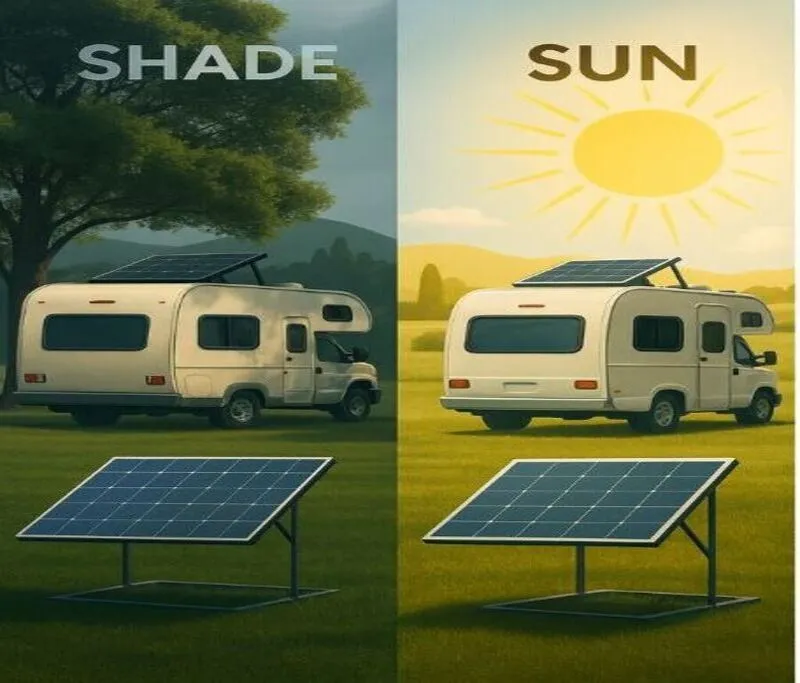
Author

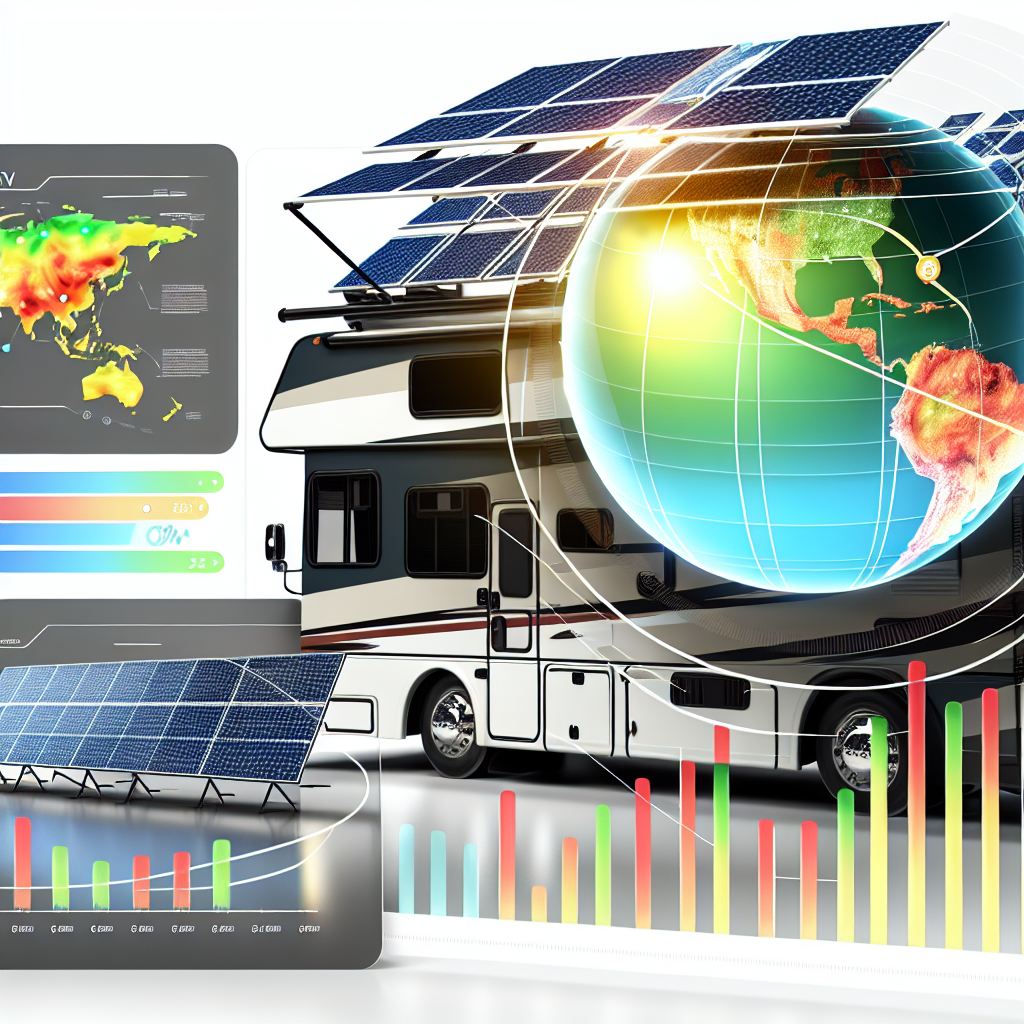
The impact of regional sun hours on your RV solar setup
The impact of regional sun hours on your RV solar setup
When planning an RV solar setup, one of the most critical factors to consider is the amount of sunlight your panels will receive throughout the year. This varies significantly across different regions in the USA. Understanding these variations can help you optimize your solar panel efficiency, ensuring you have enough power for your adventures.

Understanding sun hours and their importance
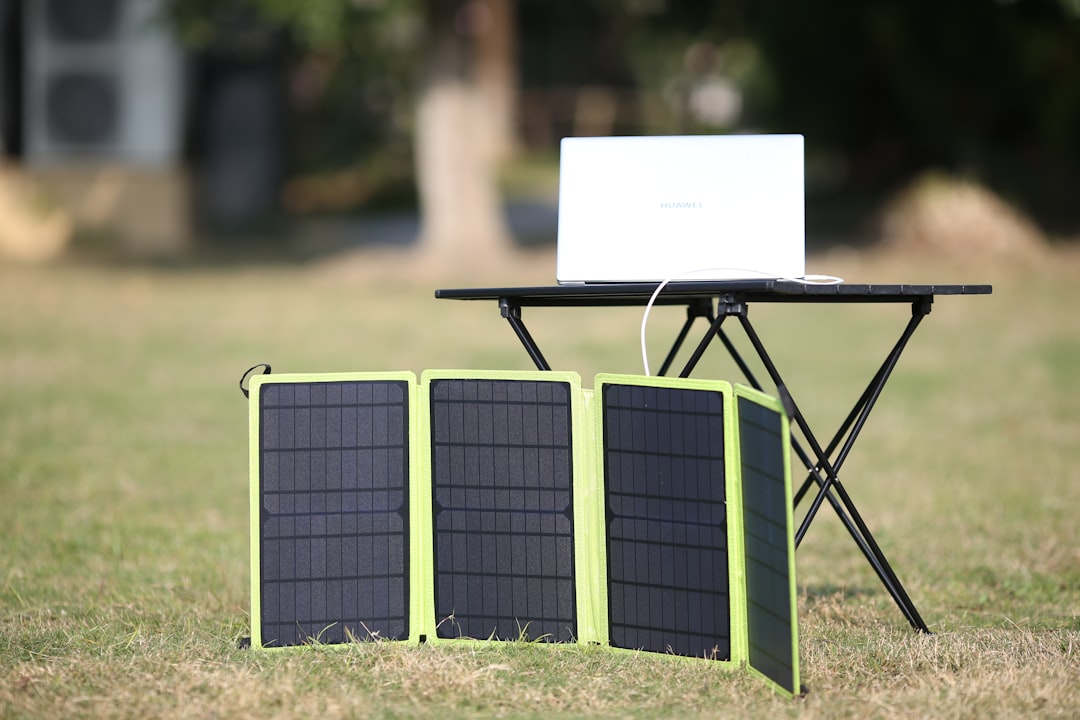
Sun hours refer to the amount of sunlight available in a specific location during the day. These hours are crucial in determining how much energy your solar panels can generate. More sun hours mean more energy, which is vital for keeping your RV powered.
The number of sun hours can vary dramatically between regions. For instance, areas like Arizona enjoy abundant sunshine, while regions like the Pacific Northwest may have fewer sun hours due to frequent cloud cover. Knowing these differences is essential for optimizing your solar setup.
Regional differences in sun hours
Sun-rich regions
Arizona: Known for its sunny weather, Arizona offers some of the highest sun hours in the country. This makes it an ideal location for RV travelers relying on solar energy. With proper solar panel installation, you can maximize energy generation and stay off-grid longer.
California: Southern California, in particular, enjoys plenty of sunshine, making it another excellent choice for solar-powered RV adventures. The consistent sun exposure allows for efficient solar energy production.
Regions with fewer sun hours
Pacific Northwest: This region, which includes states like Oregon and Washington, experiences more cloud cover and rain, reducing the available sun hours. RV owners in these areas may need to install additional panels or invest in higher-efficiency models to compensate.
Northeast: States like New York and Vermont also have fewer sun hours compared to sunnier regions. Planning your trips during sunnier months or optimizing your solar setup can help mitigate these limitations.
Optimizing your RV solar setup based on region
To ensure your RV solar system is effective, consider the following strategies:
- Adjust panel angles: Position your panels to maximize sun exposure. In regions with fewer sun hours, angling your panels correctly can significantly impact energy generation.
- Invest in high-efficiency panels: In areas with limited sun, high-efficiency panels can make the most of the available light, generating more energy.
- Consider additional energy sources: In regions with limited sun exposure, having a backup generator or using lithium batteries can provide additional energy security.
By taking these steps, you can ensure your RV solar system remains efficient across different regions.
Connecting regional insights to your overall solar strategy
Understanding regional sun hours is a crucial part of the larger picture. As you size your RV solar system, consider both the energy needs of your appliances and the sun exposure you can expect in your travel destinations. This holistic approach will help you avoid common pitfalls and ensure you have the right setup for your needs.
For a deeper dive into calculating your energy needs, visit our article on how to calculate your RV’s energy needs. Additionally, explore strategies to avoid common mistakes in RV solar system sizing to further optimize your setup.
By tailoring your RV solar system to the regions you plan to explore, you can enjoy a seamless off-grid experience, powered by the sun.