
Author

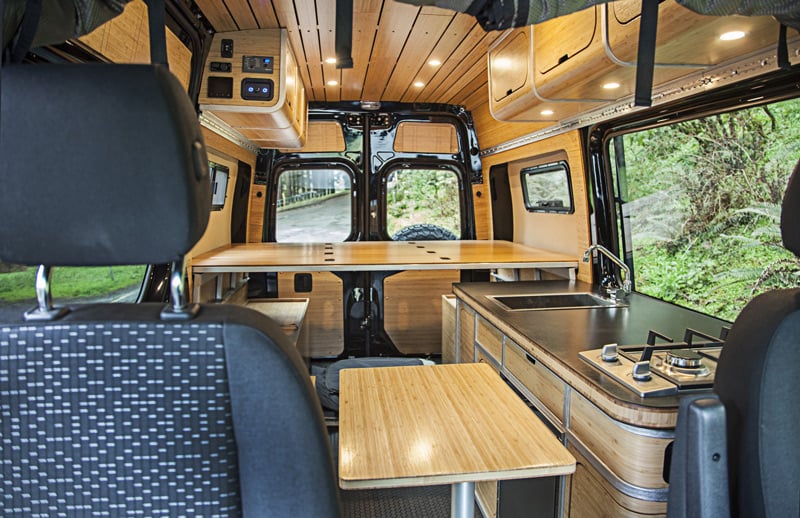
Designing an efficient van interior is a balance between creativity and practicality. Every inch counts, so smart layout and storage decisions dramatically improve comfort and usability.
Planning Your Floor Plan
Start by mapping the interior. Identify zones for:
- Sleeping
- Cooking and dining
- Storage
- Seating or workspace
Sketch a floor plan or use digital tools to visualize furniture placement and traffic flow. Consider access to windows, doors, and vents for light, ventilation, and easy movement. A well-planned layout prevents frustration and maximizes usable space.
Multi-Functional Furniture
Multi-purpose furniture is key in a small space. Options include:
- Benches with storage underneath: Combine seating with hidden storage for clothes, tools, or supplies
- Convertible beds: Transform sleeping areas into seating or workspace
- Foldable or collapsible tables: Provide dining or work surfaces without occupying permanent space
Multi-functional furniture keeps the van adaptable for multiple activities while maintaining open space.
Vertical Storage Solutions
Use vertical space to free up the floor. Consider:
- Wall-mounted cabinets
- Hanging nets or organizers
- Magnetic strips for utensils or small tools
Vertical storage ensures items are easily accessible and prevents clutter from accumulating on limited floor space.
Kitchen and Cooking Efficiency
Compact kitchens enhance usability in small vans. Suggestions include:
- Pull-out counters or foldable extensions to increase prep space
- Mini-fridges under countertops for easy access
- Sliding drawers for utensils and cooking supplies
- Portable induction cooktops or collapsible sinks to maintain an open floor
Efficient kitchen design makes meal preparation easier and reduces stress in a small space.
Sleeping Areas
Beds take up significant space, so consider flexible designs:
- Lofted beds with storage underneath
- Murphy-style fold-away beds
- Convertible beds that double as seating during the day
Use lightweight, supportive mattresses and ensure proper ventilation for comfort.
Lighting and Ambience
Proper lighting makes the van feel spacious and comfortable:
- LED strips under cabinets or above beds
- Mirrors to reflect natural light and create a sense of openness
- Skylights or large windows for natural light
- Dimmable lights for different activities
Lighting affects both usability and the perception of space, making a small interior feel more inviting.
Safety and Accessibility
Keep pathways clear for movement and emergency access. Secure furniture and storage to prevent shifting while driving. Accessibility is important for cabinets, electrical panels, and frequently used items.
Conclusion
Optimizing a van interior is about planning, multi-functional furniture, vertical storage, compact kitchens, and effective lighting. Thoughtful design makes a small space comfortable, practical, and safe.