Author

How to Conserve Water in Your RV
Water is one of the most valuable resources, especially when you’re living or traveling in an RV. Whether you’re camping off-grid or staying at an RV park, being mindful of how you use and conserve water can significantly reduce your environmental impact. Not only does it help protect the planet, but it also means fewer trips to refill your fresh water tank, allowing you to stay off-grid for longer periods without worrying about running out of water.
In this article, I’ll share some practical tips and strategies for conserving water in your RV. By adopting these simple practices, you’ll be able to reduce your water consumption, maintain a sustainable lifestyle, and make the most of your travels.
Why Water Conservation Matters in RV Living
When you’re on the road in an RV, every drop of water counts. Unlike a home, RVs have limited space for fresh water storage, and once your tank runs dry, you’ll need to find a water source to refill. Additionally, many RV parks and campgrounds have water hookups that are not always as sustainable as we’d like them to be. Therefore, conserving water in your RV not only ensures you have enough to meet your needs but also helps you reduce your overall environmental footprint.
I quickly learned that conserving water in my RV wasn’t just about making my trips more efficient it was also about being responsible. The more mindful I became of my water usage, the more enjoyable and sustainable my RV lifestyle became. By adopting a few simple practices, I was able to maximize the water in my tanks and minimize waste.
1. Install a Low-Flow Showerhead
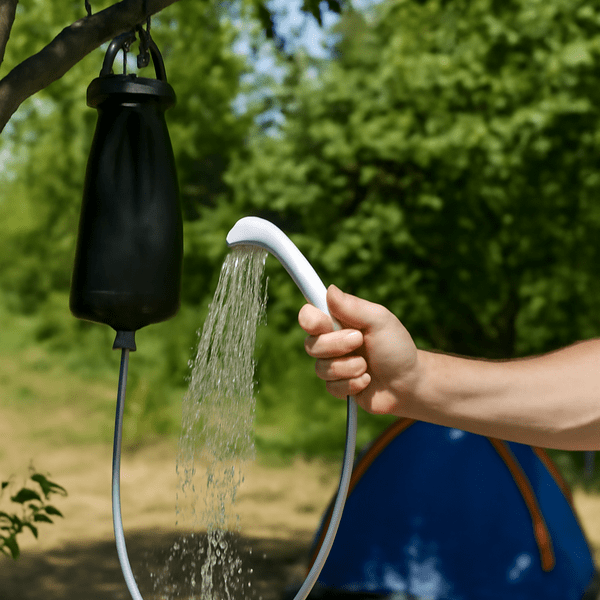
One of the easiest and most effective ways to conserve water in your RV is by installing a low-flow showerhead. RV showers are notorious for using large amounts of water, especially if you’re taking long, leisurely showers. A low-flow showerhead reduces the amount of water flowing through your shower, allowing you to use less water while still enjoying a comfortable experience.
I replaced the standard showerhead in my RV with a low-flow version, and it made a huge difference. Not only do I use less water when showering, but I also find that I can still get clean and refreshed without feeling like I’m sacrificing comfort. Low-flow showerheads are inexpensive and easy to install, making them a great first step toward conserving water in your RV.
2. Take Shorter Showers
While installing a low-flow showerhead helps, the duration of your shower also plays a major role in water conservation. Taking shorter showers is an effective way to reduce your water consumption. I’ve made it a habit to limit my showers to just a few minutes, which helps conserve water while still keeping me fresh.
To make it easier to take shorter showers, I set a timer on my phone or use an RV shower timer that shows how much water you’ve used. This small change has made a big impact on my water usage, and I no longer feel like I’m wasting water or running out too quickly.
3. Turn Off the Water While Lathering
Another simple water-saving practice is to turn off the water while you’re lathering up in the shower or washing your hands. It’s easy to let the water run while you scrub, but doing so can waste several gallons of water every day. By turning off the water while you’re applying soap or shampoo, you can save a significant amount of water over time.
I’ve started turning off the water during these moments, and I’m amazed at how much water I’ve saved without making any sacrifices in comfort. It’s such an easy habit to adopt, and it’s one that makes a big difference in my overall water usage.
4. Use a Water-Efficient Toilet
RV toilets can use a surprising amount of water with each flush. If you’re not careful, you could find yourself using a large portion of your fresh water tank just to flush. Luckily, many modern RV toilets are designed to be more water-efficient, using less water per flush without compromising performance.
I replaced my old RV toilet with a water-efficient model, and it has made a huge difference in conserving water. These toilets are designed to use just enough water to flush waste while reducing the total water usage per flush. Some RV toilets also come with a foot pedal that allows you to control the water flow, which is another great way to minimize water consumption.
5. Collect and Reuse Water
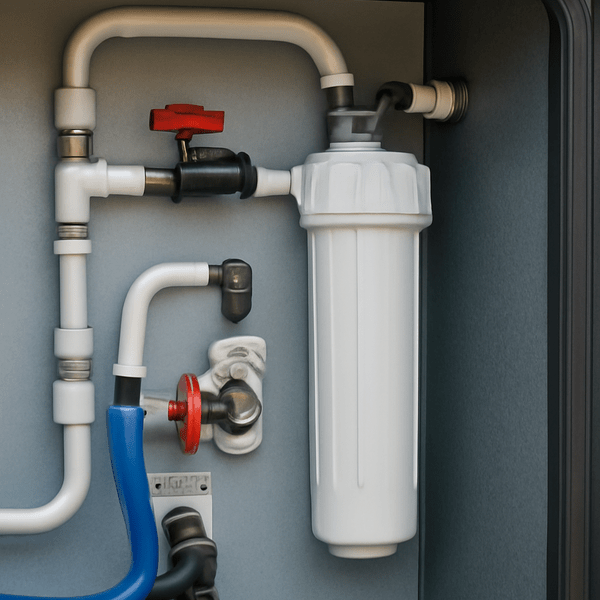
If you’re looking to take your water conservation efforts even further, consider collecting and reusing water for non-potable purposes. For example, you can collect the water you use for washing dishes or cleaning and use it for tasks like flushing the toilet or watering plants. While this water may not be suitable for drinking or cooking, it can still be used for other household tasks.
I’ve started collecting the water I use for washing dishes in a small container, which I then use to flush the toilet or rinse off dirty shoes. It may not sound glamorous, but it’s an effective way to make the most of the water I already have. You can also collect rainwater if you’re parked in an area where it rains often, which is another great way to conserve water.
6. Install a Grey Water Tank Valve
A grey water tank stores the wastewater from your sink, shower, and other non-potable water sources. To prevent wasting this water, you can install a grey water tank valve that allows you to easily direct the water into the ground or into a separate container for future use. Some RVers even use this water to water plants or clean outdoor areas.
By installing a grey water tank valve, I’ve been able to conserve the water that would otherwise be disposed of. It’s an easy and effective way to make use of the water I’ve already used while reducing waste.
7. Use Efficient Water Heating Systems
The way you heat water in your RV can also impact your water conservation efforts. Traditional RV water heaters can consume a lot of energy and water, but there are more efficient systems available, such as tankless water heaters. Tankless water heaters only heat the water you need when you need it, reducing both water and energy consumption.
I switched to a tankless water heater in my RV, and it has been a game-changer. Not only does it provide hot water on demand, but it also uses less water and energy, which makes it a more sustainable option. Plus, it allows me to take longer showers without worrying about running out of hot water.
8. Fill Up at Eco-Friendly RV Parks
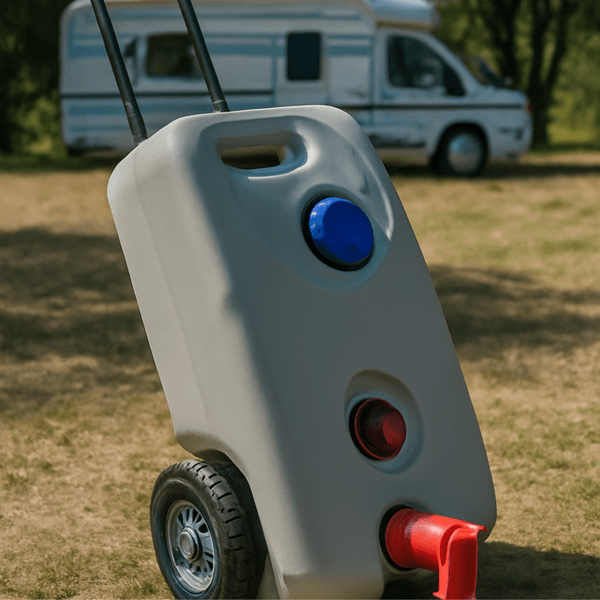
When you do need to refill your fresh water tank, look for eco-friendly RV parks that use sustainable water systems. Some RV parks offer water-saving features such as low-flow showerheads, water-efficient toilets, and grey water recycling systems. These parks are great places to replenish your water supply without contributing to excessive water waste.
Whenever I’m staying at an RV park, I try to choose one that has a focus on sustainability. These parks make it easy for me to refill my water tank while supporting businesses that are actively working to reduce their environmental impact.
To learn more about eco-responsible RV travel, including how to implement sustainable practices like water conservation, read our Eco-Responsible RV Travel: The Ultimate Guide to Sustainable Adventures on the Road.
You can also learn more about the Top Benefits of Choosing an RV for Sustainable Travel for a broader perspective on the environmental advantages of RV travel.