
Author

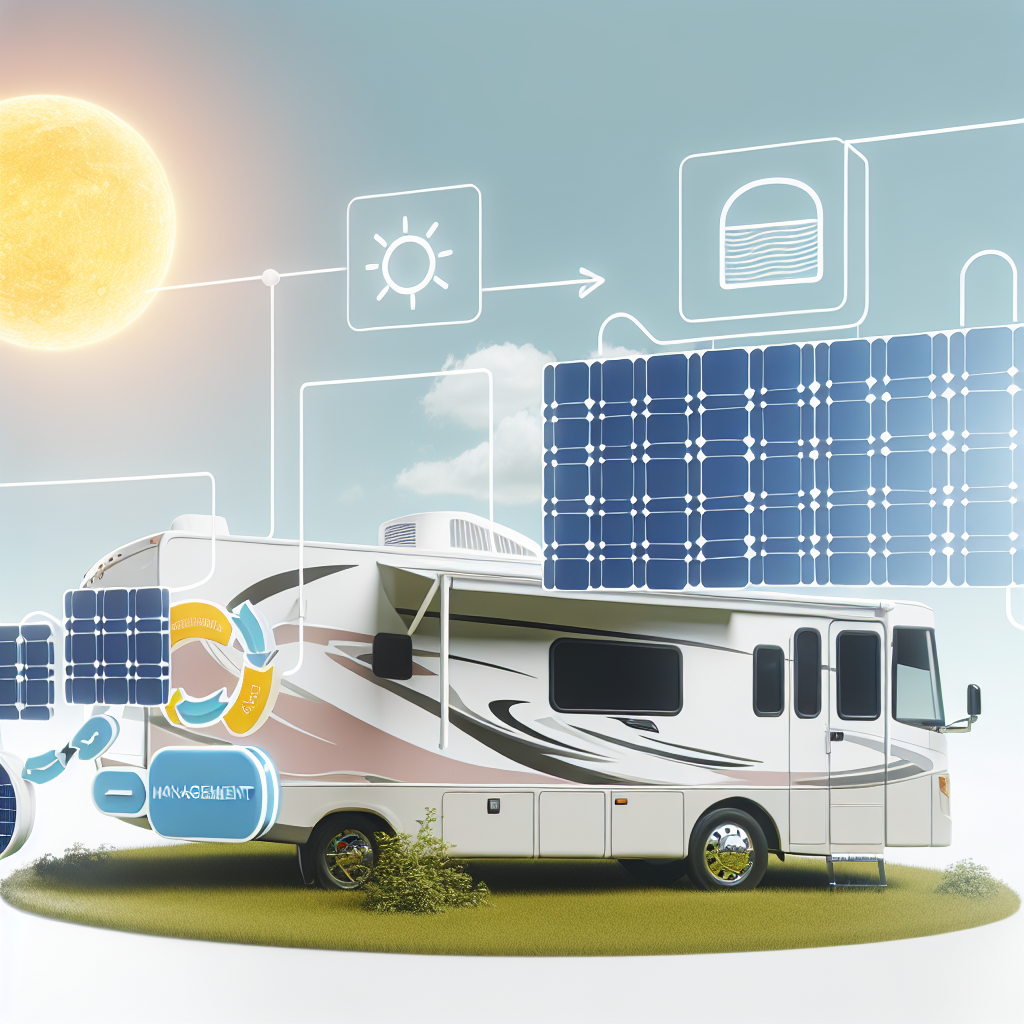
Understanding the environmental impact of RV solar systems
The growing popularity of recreational vehicles (RVs) has sparked interest in more sustainable travel options, with RV solar systems at the forefront. This guide explores the environmental benefits and considerations of using solar power in RVs, emphasizing the importance of sustainable travel.
The rise of RV solar systems
As more travelers seek autonomy and eco-friendly solutions, RV solar systems provide an attractive option. By harnessing solar energy, RV owners can reduce reliance on fossil fuels and minimize their carbon footprint.
Environmental benefits of RV solar systems
Using solar panels on RVs offers several environmental advantages:
- Reduced carbon emissions: Solar systems produce clean energy, significantly lowering greenhouse gas emissions compared to traditional generators.
- Minimized noise pollution: Unlike noisy generators, solar panels operate silently, creating a more peaceful environment.
- Decreased reliance on non-renewable resources: Solar energy is renewable, reducing dependence on finite resources such as gas and diesel.
- Initial investment: The cost of installing solar panels can be high, but long-term savings on fuel and reduced environmental impact make it worthwhile.
- Space and weight constraints: RVs have limited roof space and weight capacity, making it essential to choose the right solar setup.
- Energy storage: Efficient storage solutions, like lithium batteries, are necessary to store solar energy for use during non-sunny periods.
Sustainable travel and energy management
Solar energy management is crucial for maximizing the benefits of RV solar systems. Proper management ensures optimal energy efficiency and supports sustainable travel by reducing the overall energy consumption of the RV.
Considerations for implementing RV solar systems
While the benefits are clear, there are important considerations when adopting solar technology in RVs:
The future of RV solar energy
The demand for sustainable travel options is likely to increase, driving innovations in RV solar technology. Improved efficiency, reduced costs, and enhanced storage solutions will make RV solar systems even more accessible and effective.
Embracing RV solar systems is a step towards a more sustainable future. By understanding their environmental impact and managing energy efficiently, travelers can enjoy the autonomy of RV travel while contributing to a healthier planet.