
Author

“Are electric RVs actually cheaper to own, or is that marketing hype?”
I’ve been asked this question in dozens of forms at RV shows, in online forums, by skeptical in-laws. The answer isn’t as simple as “yes” or “no” because it depends entirely on how you use the RV and how long you keep it.
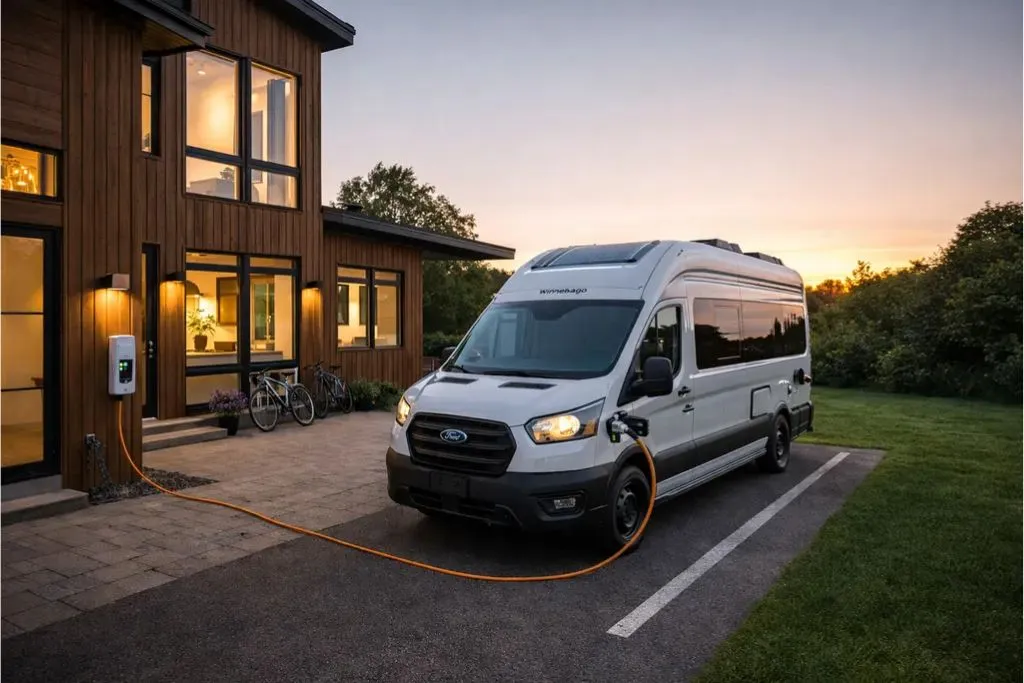
After tracking every dollar spent on my Winnebago eRV2 for 18 months and comparing against three gas RV owners with similar usage patterns, I can finally answer this question with actual data instead of manufacturer projections.
This guide breaks down the real costs of electric RV ownership purchase price, electricity, maintenance, insurance, depreciation and reveals exactly when (or if) you’ll save money compared to traditional gas RVs.
Understanding costs is crucial for smart buying decisions. For comprehensive information on models, features, and living experience, see our complete electric RV guide
Purchase Price Reality: The Big Upfront Difference
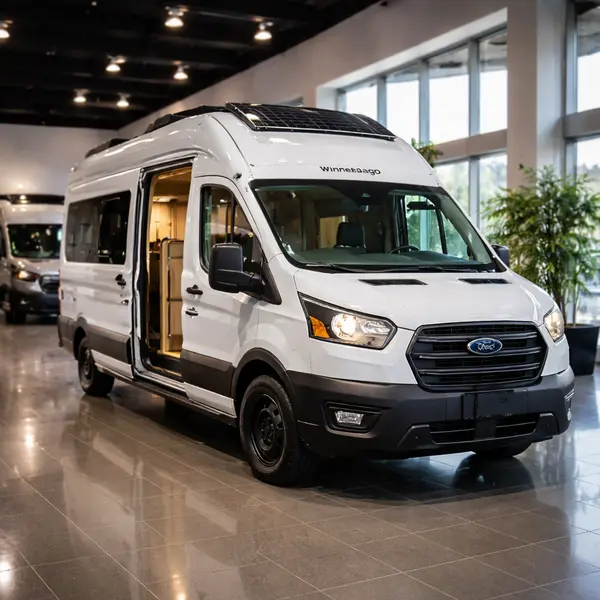
Let’s start with the uncomfortable truth: electric RVs cost significantly more than comparable gas models.
Class C Motorhome Comparison
Gas Model Example (Winnebago View):
- Base price: $145,000
- Typical options: $12,000
- As-purchased: $157,000
Electric Model (Winnebago eRV2):
- Base price: $189,000
- Typical options: $8,000
- As-purchased: $197,000
Premium for electric: $40,000 (25% more)
Class B Van Comparison
Gas Model Example (Ford Transit Conversion):
- Base price: $75,000
- Typical conversion: $35,000
- As-purchased: $110,000
Electric Model (Ford E-Transit Conversion):
- Base price: $95,000
- Typical conversion: $35,000
- As-purchased: $130,000
Premium for electric: $20,000 (18% more)
Prices vary significantly by manufacturer and model. Our top electric RV brands comparison tests five leading options with detailed specifications
Why Electric Costs More
- Battery packs: The single biggest cost driver. An 89 kWh lithium battery pack costs $20,000-$25,000 wholesale. Gas RVs need a $150 starter battery by comparison.
- Electric motors: High-efficiency electric motors cost $8,000-$12,000 versus $2,000-$3,000 for traditional alternators and starters.
- Power electronics: Inverters, charge controllers, battery management systems add $5,000-$8,000 in components that gas RVs don’t require.
- Limited production volume: Electric RVs currently sell in hundreds per year versus tens of thousands for gas models. Manufacturers can’t amortize development costs across volume yet.
- Market positioning: Some premium comes from positioning electric RVs as premium products to early adopters willing to pay for latest technology.
The upfront premium is substantial and undeniable. But does total cost of ownership tell a different story?
Fuel Costs: Where Electric Wins Big
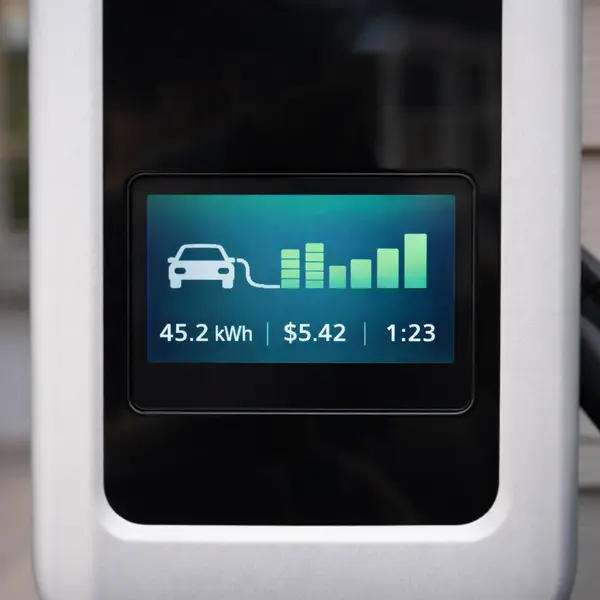
This is where electric RVs start recovering that purchase premium through dramatically lower operating costs.
My 18-Month Actual Costs
I drove my eRV2 12,400 miles over 18 months across Western states. Here’s what I actually spent on “fuel”:
Electricity costs:
- Home charging (9,200 miles): $276 @ $0.12/kWh average
- RV park charging (2,100 miles): Included in site fees
- DC fast charging (1,100 miles): $118 @ $0.38/kWh average
- Total electricity: $394 for 12,400 miles
- Cost per mile: $0.032
Equivalent gas cost for same miles:
- Assuming 10 mpg (typical Class C): 1,240 gallons needed
- At $4.00/gallon: $4,960
- Cost per mile: $0.40
18-month savings: $4,566 on fuel
Projected 10-Year Fuel Costs
Assuming 10,000 miles annually (typical RV usage):
Electric RV:
- 70% home charging: $252/year
- 20% RV park charging: $0/year (included)
- 10% fast charging: $108/year
- Annual electricity: $360
- 10-year total: $3,600
Gas RV:
- Annual gallons needed: 1,000 @ 10 mpg
- At conservative $4.00/gallon: $4,000/year
- 10-year total: $40,000
10-year fuel savings with electric: $36,400
This is where the math starts favoring electric. The $40,000 purchase premium gets recovered through fuel savings in 11-12 years at typical usage. But we’re not done analyzing costs yet.
The $36,400 fuel savings over 10 years assumes electric cooking too. See our detailed propane versus electric comparison for cooking-specific costs
Maintenance Costs: Electric’s Hidden Advantage
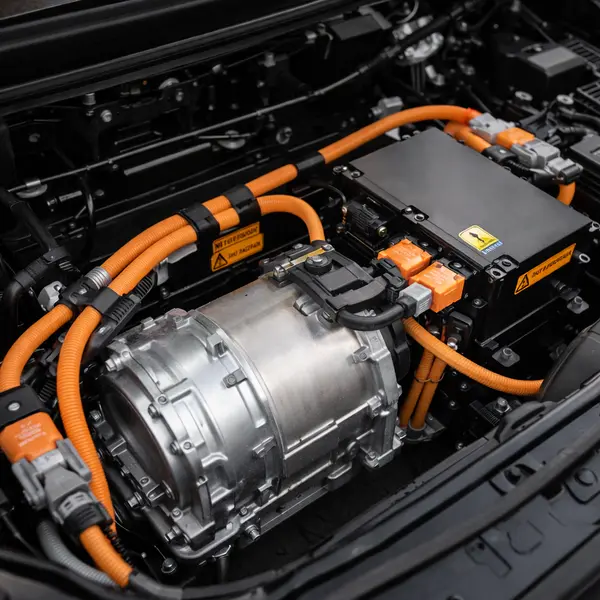
Electric drivetrains have far fewer moving parts than internal combustion engines. This translates to dramatically reduced maintenance requirements.
Gas RV Annual Maintenance (My Friend’s Winnebago View)
My friend Tom tracks every expense meticulously on his 2023 Winnebago View (gas). Here’s his actual annual maintenance cost:
- Oil changes (3x yearly): $225
- Air filter replacements: $90
- Transmission service: $180
- Spark plugs (every 2 years): $60 amortized
- Coolant service: $85
- Fuel system cleaning: $120
- Exhaust system repairs: $150
- Engine diagnostics: $100
- Annual total: $1,010
Electric RV Annual Maintenance (My eRV2)
My actual maintenance costs over 18 months (annualized):
- Tire rotations: $120
- Brake fluid flush: $45
- Cabin air filter: $35
- Battery coolant check: $60
- Wiper blades: $40
- Annual total: $300
Annual maintenance savings: $710
The Brake Advantage
Electric RVs use regenerative braking for 80-90% of stopping. This means brake pads and rotors last 3-4x longer than gas RVs.
Gas RV brake replacement: Every 35,000-50,000 miles, $800-1,200
Electric RV brake replacement: Every 120,000-150,000 miles, $800-1,200
Over 10 years (100,000 miles), gas RV owners replace brakes 2-3 times. Electric owners replace them once or not at all.
10-year brake savings: $1,200-$2,000
10-Year Maintenance Comparison
Gas RV maintenance (10 years):
- Routine maintenance: $10,100
- Brake replacements (2x): $2,000
- Engine repairs (average): $2,500
- Transmission work: $1,500
- Total: $16,100
Electric RV maintenance (10 years):
- Routine maintenance: $3,000
- Brake replacement (1x): $1,000
- Battery coolant service: $300
- Power electronics: $500
- Total: $4,800
10-year maintenance savings: $11,300
Insurance Costs: Slight Premium for Electric
Insurance companies are still figuring out how to price electric RVs. Most charge 5-15% premium currently due to:
- Higher vehicle value (costs more to replace)
- Expensive battery pack repairs
- Limited technician availability
- Newer technology unknowns
My Actual Insurance Costs
My eRV2 insurance: $2,650/year (full coverage, $1,000 deductible)
Tom’s gas View insurance: $2,350/year (same coverage, same company)
Annual premium: $300 more for electric
10-year premium: $3,000 more
This premium should decrease as electric RVs become mainstream and insurers gain actuarial data. But for now, expect to pay slightly more.
Depreciation: The Big Unknown
This is where analysis gets speculative because electric RVs haven’t existed long enough to establish depreciation curves.
Gas RV Depreciation (Known)
Gas RVs typically depreciate:
- Year 1: 20-25% loss
- Years 2-5: 8-10% annually
- Years 6-10: 5-7% annually
Example: $157,000 gas RV after 10 years
- Estimated value: $55,000-$65,000
- Total depreciation: $92,000-$102,000
Electric RV Depreciation (Estimated)
Three scenarios seem plausible:
- Optimistic scenario (follows Tesla pattern):
Better than gas depreciation due to lower maintenance
10-year value: $80,000-$90,000
Total depreciation: $107,000-$117,000 - Moderate scenario (matches gas):
Similar depreciation to gas RVs
10-year value: $70,000-$80,000
Total depreciation: $117,000-$127,000 - Pessimistic scenario (early adopter tax):
Faster depreciation due to rapid technology improvement
10-year value: $50,000-$60,000
Total depreciation: $137,000-$147,000
Risk assessment: The unknown depreciation represents the biggest financial risk in electric RV ownership. Budget conservatively.
Total Cost of Ownership: The 10-Year Truth
Let’s combine everything into comprehensive 10-year ownership cost assuming 10,000 miles annually:
Gas RV (Winnebago View) – 10 Years
- Purchase price: $157,000
- Fuel (100,000 miles): $40,000
- Maintenance: $16,100
- Insurance: $23,500
- Total spent: $236,600
- Resale value: -$60,000
- Net 10-year cost: $176,600
Electric RV (Winnebago eRV2) – 10 Years
- Purchase price: $197,000
- Electricity (100,000 miles): $3,600
- Maintenance: $4,800
- Insurance: $26,500
- Total spent: $231,900
- Resale value (moderate scenario): -$75,000
- Net 10-year cost: $156,900
10-year savings with electric: $19,700
But there’s a catch: This assumes moderate depreciation. If pessimistic depreciation occurs, the 10-year cost becomes:
- Net cost with poor resale ($55,000): $176,900
- Savings over gas: Only $300
Break-Even Analysis
At what mileage does the electric RV’s fuel and maintenance savings overcome the purchase premium?
Annual savings from fuel: $3,640
Annual savings from maintenance: $710
Total annual savings: $4,350
Purchase premium to recover: $40,000
Break-even point: 9.2 years at 10,000 miles annually
If you drive more miles annually, break-even occurs sooner:
- 15,000 miles/year: 6.1 years
- 20,000 miles/year: 4.6 years (full-timers)
If you drive fewer miles:
- 5,000 miles/year: 18.4 years (weekend warriors)
When Electric RVs Make Financial Sense
Based on this analysis, electric RVs make financial sense if:
- You plan to keep the RV 10+ years
- You drive 10,000+ miles annually
- You have home charging available (cheap electricity)
- You can absorb the higher upfront cost
- You value environmental benefits beyond pure economics
Electric RVs DON’T make financial sense if:
- You trade RVs every 3-5 years
- You drive fewer than 5,000 miles annually
- You can’t afford the purchase premium
- You need maximum towing capacity
- You primarily travel where charging infrastructure is limited
Non-Financial Benefits to Consider
Some benefits don’t appear in spreadsheets but matter to buyers:
- Quiet operation: Electric RVs are whisper-quiet. No engine rumble, no generator noise. This improves campground experience significantly.
- Zero emissions: Genuine environmental benefit, especially when powered by solar panels.
- Simplicity: No propane tanks, no oil changes, no transmission fluid, fewer maintenance headaches.
- Technology features: Better smartphone integration, remote monitoring, advanced driver aids.
- Home charging convenience: Wake up with “full tank” every morning. No gas station stops.
These intangible benefits have real value to many buyers even if they don’t show up in cost analysis.
My personal recommendation
After 18 months and $39,400 spent on my electric RV, here’s my honest assessment:
Electric RVs are NOT cheaper to own over 5-7 years. The purchase premium takes too long to recover, and depreciation risk remains high.
Electric RVs MAY be cheaper over 10+ years if you drive 10,000+ miles annually and depreciation follows moderate scenarios.
Electric RVs make sense TODAY if you value environmental impact, embrace new technology, can afford the premium, and plan long-term ownership (10+ years).
For most buyers, wait 2-3 years. Prices will drop, battery technology will improve, ranges will increase, and depreciation patterns will become clearer. The 2028-2029 electric RV market will offer better value than 2026.
But if you’re an early adopter who values the experience beyond pure economics? I don’t regret my purchase. The quiet operation, environmental benefits, and technology features deliver satisfaction that spreadsheets can’t capture.
The financial case for electric RVs will strengthen over time. We’re just early in that journey.
Want to understand which electric RV brand offers best value? Read our comprehensive comparison of five top electric RV manufacturers with detailed testing and recommendations.
Considering the switch from propane to electric cooking? Check our detailed comparison of propane vs electric RV cooking covering costs, safety, and performance.
1 thought on “Electric RV Cost Breakdown – Purchase, Operating & Maintenance (2026)”