Author

Eco-Responsible RV Travel – The ultimate guide to sustainable adventures on the road
RV travel offers unparalleled freedom and flexibility, allowing you to explore beautiful landscapes, immerse yourself in nature, and create unforgettable memories along the way. However, as eco-conscious travelers, we must consider the environmental impact of our journeys and how we can minimize it. That’s where eco-responsible RV travel comes in a lifestyle that combines the joy of road trips with sustainable practices that reduce our carbon footprint, conserve resources, and protect the planet for future generations.
In this guide, we’ll explore practical, easy-to-implement strategies that can help you travel sustainably in your RV. From energy-saving solutions to eco-friendly campgrounds, we’ll cover all the essential aspects of eco-responsible RV living. Whether you’re an experienced RV traveler or just starting to explore this lifestyle, these tips will help you make smarter, greener choices on the road.
What is Eco-Responsible RV Travel?
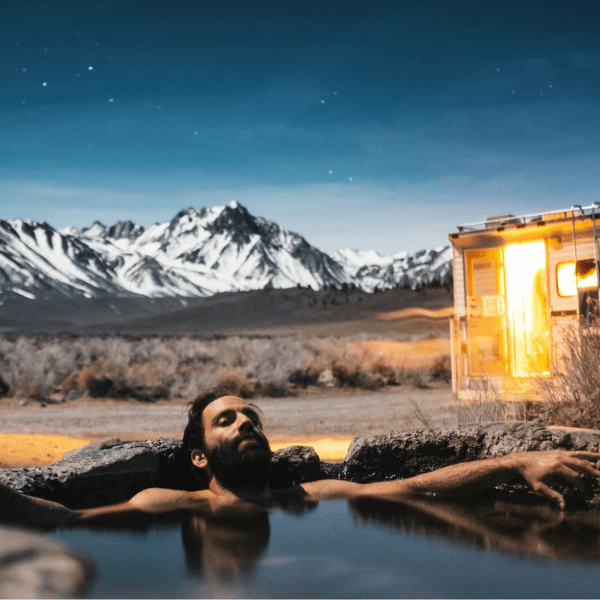
Eco-responsible RV travel refers to the conscious decision to reduce your environmental impact while enjoying the freedom and adventure of RV living. It involves making sustainable choices that conserve resources, minimize waste, and protect the natural environment. From solar power to waste management, every decision you make while traveling can contribute to a greener lifestyle.
As someone who has embraced eco-responsible RV travel, I’ve found that small changes can lead to significant environmental benefits. When I first began RVing, I didn’t realize how many simple adjustments I could make to reduce my carbon footprint. Over time, I switched to solar energy, became more mindful of my water usage, and started choosing eco-friendly campgrounds. These changes not only made my travels more sustainable but also helped me feel more connected to the places I visit.
So, what does eco-responsible RV travel look like in practice? It’s about adopting habits and practices that minimize waste, conserve water, use renewable energy, and respect the environment. Whether you’re planning a weekend getaway or a cross-country road trip, incorporating these eco-friendly practices into your travels is a rewarding way to explore the world while leaving it better than you found it.
The Benefits of Choosing an RV for Sustainable Travel
Choosing an RV for travel might seem like an inherently fuel-consuming option, but when approached with eco-consciousness in mind, RVs can actually offer a sustainable alternative to traditional travel methods. Unlike flying or driving multiple cars, RVs consolidate your transportation and accommodation, offering significant savings in both energy consumption and resources. Here’s why RV travel is not only enjoyable but can also be an eco-friendly way to explore the world.
For one, RVs allow you to travel with minimal waste. Instead of booking multiple hotel rooms, which require energy to maintain and often produce significant waste, an RV provides you with a mobile home that you can personalize to be as sustainable as possible. From cooking your own meals to reducing your dependence on disposable products, RV travel offers countless opportunities to lower your environmental impact.
When I made the switch to RV travel, I quickly realized the benefits of having a single, self-contained space. It meant fewer resources used to build and maintain hotels and fewer emissions generated by flights and multiple car rides. I was able to set up my RV with solar panels, install water-saving fixtures, and minimize waste all while enjoying the flexibility to explore the country at my own pace.
Additionally, the rise of electric RVs and fuel-efficient models means that the carbon footprint of RV travel is shrinking. As manufacturers continue to develop greener options, eco-responsible RV travel is becoming easier and more accessible than ever before.
By choosing an RV, you’re not only experiencing the open road in comfort and style, but you’re also embracing a mode of travel that is inherently more sustainable than many traditional methods. Plus, it gives you the flexibility to incorporate green practices into every part of your journey, from energy consumption to waste management.
How to Select the Best Solar Equipment for Your RV
One of the most impactful upgrades you can make for your RV to ensure a sustainable travel experience is incorporating solar power. Solar panels allow you to harness the sun’s energy to power your lights, appliances, and devices, reducing your reliance on fossil fuels or noisy generators. However, selecting the right solar equipment for your RV can be overwhelming if you’re new to solar energy. In this section, we’ll break down the key factors to consider when choosing solar panels and related components for your RV.
The first step in choosing solar equipment for your RV is assessing your energy needs. How much power will you require for lighting, running a fridge, or charging devices? By understanding your power consumption, you can select solar panels and batteries that will meet your needs. I started by calculating how many hours I used each device and what their power requirements were. From there, I was able to determine the size of the solar panel system I would need to stay off-grid for several days without running out of power.
The next decision is choosing the right type of solar panel. There are three main types: monocrystalline, polycrystalline, and thin-film. Monocrystalline panels are the most efficient, providing more power in a smaller area, which is crucial for RVs with limited roof space. However, they tend to be more expensive. Polycrystalline panels are less efficient but more affordable, while thin-film panels are lightweight and flexible but require more space.
After selecting the panels, it’s important to think about battery storage. Solar panels charge batteries, which store the power for use when the sun isn’t shining. Lithium-ion batteries are increasingly popular for RVs because they’re lightweight, long-lasting, and efficient. Installing a high-quality battery bank will ensure that your solar system is effective, even during cloudy days or at night. I personally upgraded to a lithium-ion battery, which has worked wonders for keeping my RV powered up for days on end.
Finally, don’t forget about the charge controller, which regulates the power coming from the panels to the batteries. A good charge controller ensures your batteries are charged efficiently without overcharging, extending their lifespan. If you plan to run several devices at once or want to power higher-demand appliances, you may also need an inverter to convert the stored DC power into AC power, which is used by most devices in your RV.
Solar power has been a game-changer for me, allowing me to stay off-grid for longer periods and reducing my reliance on traditional power sources. With the right solar equipment, you can enjoy a sustainable RV experience while minimizing your environmental footprint.
Space Optimization Tips for Eco-Friendly RV Living
One of the challenges of RV living is making the most of the limited space available while maintaining comfort and functionality. But with the right approach, you can optimize every square inch of your RV for a more efficient, eco-friendly lifestyle. Space optimization isn’t just about reducing clutter; it’s also about using sustainable materials, reducing waste, and ensuring your RV remains energy-efficient.
When I first started RVing, I was amazed at how much stuff I thought I needed. Over time, I realized that embracing a minimalist mindset was key to creating a comfortable and sustainable RV space. The more space you can save, the less energy you’ll need for heating, cooling, or lighting, and the fewer resources you’ll use for unnecessary items. Here are some effective tips on how to optimize your RV space while maintaining an eco-friendly lifestyle.
1. Multi-Functional Furniture
One of the easiest ways to maximize space in your RV is by incorporating multi-functional furniture. These pieces serve more than one purpose, allowing you to keep your living area flexible and clutter-free. For example, I replaced a bulky dining table with a foldable version that can be used for meals, work, or storage, depending on the time of day.
A sofa that converts into a bed or a coffee table with hidden storage can also help free up space. In a small space like an RV, every piece of furniture should be able to serve multiple functions, whether it’s storage, seating, or sleeping. By using furniture that adapts to your needs, you’ll reduce the number of items you need to bring, cutting down on both space and waste.
2. Vertical Storage Solutions
In an RV, you need to think vertically when it comes to storage. Installing shelves, hooks, and cabinets higher up on the walls allows you to use every available inch of space without overcrowding the floor. For example, I’ve added shelves above the kitchen counter for easy access to plates, mugs, and other kitchen essentials. In the bathroom, I use hanging organizers for toiletries to keep everything neat and easily accessible.
Consider adding overhead cabinets or using the space above the bed for additional storage. Even small additions like wall-mounted racks or foldable hooks can help optimize space without making your RV feel cramped.
3. Declutter and Go Minimalist
One of the most effective ways to optimize space in your RV is by reducing the number of items you bring with you. While it might be tempting to pack everything “just in case,” RV living requires a more minimalist approach. Every item you bring should have a purpose, whether it’s practical or sentimental.
For instance, when I first started RVing, I packed way too many clothes, kitchen gadgets, and camping gear. Over time, I realized that I could get by with far fewer items. I now use compact, multi-purpose gear and clothing that can be mixed and matched. I’ve also adopted a “one in, one out” rule, where I donate an item when I add a new one to my RV.
By embracing minimalism, you’ll not only create more space but also reduce waste and energy consumption. Less stuff means less to manage, clean, and store, making your RV life simpler and more sustainable.
4. Use Collapsible and Stackable Items
Collapsible and stackable items are fantastic for maximizing space in your RV. Collapsible containers, bins, and bags can be easily stored when not in use, providing flexibility and saving valuable storage space. I use collapsible kitchen items, like a sink and dish rack, which are perfect for saving space when I’m not using them.
In addition to collapsible items, stackable containers help to keep things organized and easily accessible. Instead of spreading items out across the RV, I stack bins for seasonal clothing or camping equipment, and I use modular storage units for kitchen supplies.
5. Eco-Friendly Materials for Efficiency
Space optimization also involves using materials that are both functional and sustainable. By choosing eco-friendly materials like bamboo, cork, and natural fabrics, you can reduce your environmental footprint while optimizing space. These materials are lightweight, durable, and energy-efficient, making them perfect for RV living.
I’ve replaced several heavy plastic storage containers with bamboo baskets, which are not only better for the environment but also add a touch of warmth to my RV’s interior. For my bedding and upholstery, I’ve chosen natural fabrics like organic cotton and linen, which are breathable, sustainable, and gentle on the skin.
By using eco-friendly materials, you’ll not only optimize space but also contribute to a greener RV lifestyle. Sustainable materials are often lighter and more durable than traditional options, which means less energy is required for their production and maintenance.
6. Optimize Outdoor Space
In addition to optimizing the interior of your RV, don’t forget about the valuable outdoor space you have. A well-designed outdoor living area can extend your living space and reduce the need for additional indoor equipment. For example, I use a collapsible outdoor table and folding chairs, which are easy to store when not in use.
Adding a small awning or portable shade structure can provide shelter from the sun, creating an outdoor space for meals or relaxation. By optimizing outdoor space, you can keep your RV more spacious and comfortable while reducing the need for extra indoor equipment or gadgets.
7. Choose Energy-Efficient Appliances
Energy-efficient appliances not only help you save space but also reduce your overall environmental impact. In my RV, I’ve replaced high-energy-consuming appliances with more efficient models, such as an energy-saving fridge and a low-power microwave. These appliances take up less space and use less energy, making them perfect for eco-conscious RV living.
Look for appliances that are specifically designed for RVs, as they tend to be more compact and efficient. From portable stoves to low-energy water heaters, there are plenty of options that will help optimize your RV’s energy use while still providing the comfort you need.
Best Eco-Friendly RV Campsites and Destinations

When you’re traveling in an RV, choosing the right campsites can make a significant difference in your environmental impact. Eco-friendly RV parks and campgrounds provide sustainable amenities like solar power, composting toilets, and water-saving systems that allow you to minimize your footprint while still enjoying the comforts of nature.
Eco-friendly campsites also tend to be located in beautiful, often remote areas that allow you to connect with nature in an unspoiled environment. In this section, we’ll explore some of the best eco-friendly RV campsites and destinations that prioritize sustainability, giving you the opportunity to travel green while experiencing the best of the outdoors.
1. Kampgrounds of America (KOA) Green Campgrounds
KOA’s Green Campgrounds offer an eco-friendly way to enjoy RV travel while benefiting from KOA’s range of amenities. KOA Green Campgrounds are equipped with sustainable features like energy-efficient lighting, recycling programs, and water-saving initiatives. These campgrounds are a great option if you want to stay at a well-established site that offers green practices without compromising comfort.
During a recent stay at a KOA Green Campground, I was impressed by how well they’ve integrated sustainable practices. They provide solar-powered lighting, and the campgrounds have extensive recycling stations that encourage guests to reduce waste. Whether you’re looking for a place to park your RV for a few nights or you’re planning a longer stay, KOA Green Campgrounds offer a great mix of sustainability and convenience.
2. El Capitan Canyon – Santa Barbara, CA
If you’re looking for a luxurious yet eco-friendly camping experience, El Capitan Canyon near Santa Barbara is an excellent choice. Nestled in a lush canyon along the California coast, this campground uses solar power for many of its amenities and offers eco-friendly cabins and yurts. The site also participates in conservation efforts, promoting sustainable practices like water conservation and waste management.
I had the pleasure of staying at El Capitan Canyon on a recent trip to California. The beauty of the area is unmatched, and I appreciated how the campground has managed to combine comfort with sustainability. The solar-powered cabins were perfect for a peaceful retreat, and I felt good knowing that my stay was contributing to preserving the area’s natural beauty.
3. Green Acres Campground – Red Feather Lakes, CO
For those looking to explore the Colorado Rockies while maintaining an eco-friendly lifestyle, Green Acres Campground in Red Feather Lakes is a great destination. This campground runs on solar energy, and it features a comprehensive waste management system that includes recycling and composting. Water conservation is also a top priority at Green Acres, with the campground offering low-flow toilets and water-efficient showers.
Green Acres is the perfect spot for outdoor enthusiasts. The campground’s location in the Rocky Mountains offers fantastic hiking, fishing, and wildlife watching opportunities. During my visit, I loved how the campground blended seamlessly with the surrounding forest, and I was impressed by the sustainable practices they’ve implemented.
4. Yosemite Pines RV Resort & Family Lodging – Mariposa, CA
If you’re visiting Yosemite National Park and want to stay at a sustainable RV park, look no further than Yosemite Pines RV Resort & Family Lodging. Located just outside the park, this eco-friendly resort offers solar power, water-saving systems, and waste reduction programs. their commitment to sustainability is evident in their operations, and they provide a welcoming space for travelers looking to minimize their impact.
What I really appreciated about Yosemite Pines was how closely it adhered to eco-friendly practices while providing top-notch amenities like full-service RV hookups and Wi-Fi. The campground’s location near Yosemite made it the perfect base camp for exploring the park, and I felt confident that my stay was supporting a business that values sustainability.
5. The Springs at Borrego RV Resort – Borrego Springs, CA
Located in the California desert, The Springs at Borrego RV Resort is an excellent choice for eco-conscious RV travelers. The resort is committed to using solar energy, reducing water consumption, and preserving the desert environment. They also offer eco-friendly amenities like composting toilets and greywater recycling systems.
During my visit to Borrego Springs, I enjoyed the peaceful atmosphere of the desert, which was enhanced by the resort’s sustainability efforts. The solar-powered amenities allowed me to enjoy my stay without feeling guilty about my energy consumption. If you love desert landscapes and want to support an eco-friendly business, The Springs at Borrego is the place to stay.
6. Fish Creek Campground – Glacier National Park, MT
Glacier National Park is known for its stunning scenery, and Fish Creek Campground is one of the park’s most eco-conscious campsites. Fish Creek features solar-powered amenities, composting toilets, and a strong emphasis on waste reduction. The campground is located along the shores of Lake McDonald, providing easy access to hiking trails, fishing, and wildlife viewing.
I had the privilege of staying at Fish Creek during a summer trip to Glacier National Park. The campground is tucked away in a quiet corner of the park, offering a peaceful retreat after a day of exploration. I was impressed by how the campground blends sustainability with the natural beauty of the park, making it the ideal base for eco-conscious travelers.
7. Tulum RV Park – Tulum, Mexico
For RVers looking to explore a tropical paradise while maintaining an eco-friendly lifestyle, Tulum RV Park on Mexico’s Yucatán Peninsula is a must-visit destination. The park is committed to sustainability, with solar-powered amenities, water-saving systems, and waste reduction efforts. Its location near the pristine beaches of Tulum makes it the perfect spot for eco-conscious travelers who want to enjoy the beauty of the Caribbean coast.
I visited Tulum RV Park during a road trip through Mexico and was amazed by the park’s commitment to sustainability. The solar-powered amenities and eco-friendly practices made my stay even more enjoyable, and I loved knowing that my visit was supporting a business that respects the local environment.
8. Mount Rainier National Park – Ashford, WA
Mount Rainier National Park is one of the most iconic natural locations in the U.S., and the campgrounds around the park offer excellent eco-friendly options. Many of these campsites use solar power, water-efficient systems, and recycling programs to reduce their environmental impact. The park itself is a UNESCO World Heritage site, and staying in one of these sustainable campgrounds allows you to enjoy the beauty of the area while helping to protect it.
When I stayed at a campground near Mount Rainier, I was impressed by how well it blended with the surrounding landscape. The campground’s commitment to sustainability made me feel good about my visit, knowing that I was supporting a responsible travel initiative. Whether you’re hiking the park’s trails or simply enjoying the views, the eco-friendly campgrounds around Mount Rainier offer the perfect base for a sustainable adventure.
How to Conserve Water in Your RV

Water conservation is a key aspect of eco-responsible RV travel. Whether you’re camping in remote areas or staying at eco-friendly RV parks, being mindful of your water usage can make a big difference in your environmental impact. RVs have limited water storage, so making every drop count is essential for long-term sustainability on the road.
Over the years, I’ve learned several simple, effective methods for conserving water while RVing. Small habits like turning off the tap when brushing your teeth or installing water-saving fixtures can significantly reduce your water consumption. Here are some practical tips that can help you conserve water in your RV without sacrificing comfort.
1. Install a Low-Flow Showerhead
One of the easiest ways to conserve water in your RV is by installing a low-flow showerhead. Traditional showerheads can use up to 5 gallons of water per minute, but low-flow models can cut that in half, or even more, without sacrificing water pressure.
I replaced the standard showerhead in my RV with a low-flow model, and it made a noticeable difference in how much water I used during showers. I also timed my showers to make them shorter, and these two small changes allowed me to extend the amount of time I could stay off-grid without worrying about running out of water.
2. Turn Off the Water While Lathering
It’s easy to let the water run while you’re lathering up in the shower or washing your hands, but this is a huge waste of water. Turning off the tap while you’re scrubbing or lathering can save several gallons of water each day.
I’ve made it a habit to turn off the water whenever I’m washing my hands, brushing my teeth, or lathering up in the shower. This simple change has significantly reduced my water usage without compromising my daily routine.
3. Use a Water-Saving Toilet
RV toilets can use a surprising amount of water with each flush. To conserve water, consider installing a water-saving toilet that uses less water per flush. Some RV toilets use just 1-2 gallons of water per flush, while traditional models can use up to 5 gallons
I switched to a water-saving toilet in my RV, and it has made a noticeable difference in my water consumption. There are also composting toilets available for RVs, which use little to no water and are a great alternative if you’re looking for an even more sustainable option
4. Install a Greywater Tank Valve
Many RVs come with a greywater tank that stores wastewater from sinks and showers. However, some RVers choose to install a greywater tank valve that allows them to release this water safely onto the ground or into a designated container for non-potable use, such as flushing toilets or watering plants.
By installing a greywater tank valve, I’ve been able to reuse water for tasks like cleaning dishes or flushing the toilet. This minimizes the amount of fresh water I use and reduces waste, making my RV travels more sustainable.
5. Use a Bucket for Washing Dishes
Another simple way to conserve water in your RV is by using a bucket to wash your dishes. Instead of letting the water run continuously while you scrub, you can fill a bucket with soapy water to wash your dishes and then rinse them with a small amount of water.
I started using a bucket for washing dishes in my RV, and it’s been a huge water-saver. I can wash all my dishes with just a couple of gallons of water, compared to using the sink, which would typically use up to 5 gallons. It’s a small change that makes a big impact.
6. Collect Rainwater
If you’re camping in an area where it rains frequently, consider collecting rainwater to use for non-potable purposes. Rainwater can be used for tasks like flushing toilets, washing dishes, or even watering plants. There are several rainwater collection systems designed for RVs that allow you to capture and store rainwater efficiently.
During my travels, I’ve used a rainwater collection system to store water for tasks like washing dishes and cleaning the RV’s exterior. It’s a sustainable way to make the most of natural resources, and it reduces my reliance on fresh water when I’m off-grid.
7. Be Mindful of Your Water Tank Levels
Finally, it’s important to keep track of your RV’s water tank levels and manage your water supply carefully. Make sure to check your fresh water, greywater, and black water tanks regularly to ensure you’re not overusing or wasting water. If you’re planning to stay off-grid for an extended period, it’s helpful to monitor your water usage closely and plan accordingly.
I keep a close eye on my water tank levels, and I’ve found that being mindful of how much water I’m using allows me to stay off-grid for longer periods without running out of water. If necessary, I make adjustments to my water usage based on how much is left in my tank, which helps me avoid waste and ensures I always have enough water for essential tasks.
6 thoughts on “Eco-Responsible RV Travel – The Ultimate Guide to Sustainable Adventures on the Road”