
Author

Budgeting for your RV solar system: Costs and savings
Investing in an RV solar system is a significant decision that can lead to long-term savings on energy bills and increased autonomy during your travels. Understanding the financial aspects, including initial costs, potential savings, and return on investment (ROI), is crucial to making an informed choice. This article explores these elements, helping you to budget effectively for your RV solar system.
Understanding the initial costs of RV solar systems
The initial investment in an RV solar system can vary greatly depending on the size and complexity of the system you choose. Factors influencing the cost include the type of solar panels, the capacity of the battery storage, and additional equipment such as inverters and charge controllers.
Solar panels
Solar panels are typically the most expensive component of an RV solar system. The two main types of panels, monocrystalline and polycrystalline, have different price points. Monocrystalline panels are generally more efficient and expensive, while polycrystalline panels are more affordable but slightly less efficient.
Battery storage
Batteries store the solar energy generated, and their capacity determines how long you can stay off-grid. Lithium-ion batteries, while more expensive upfront, offer longer lifespans and better efficiency compared to lead-acid batteries.
Inverters and charge controllers
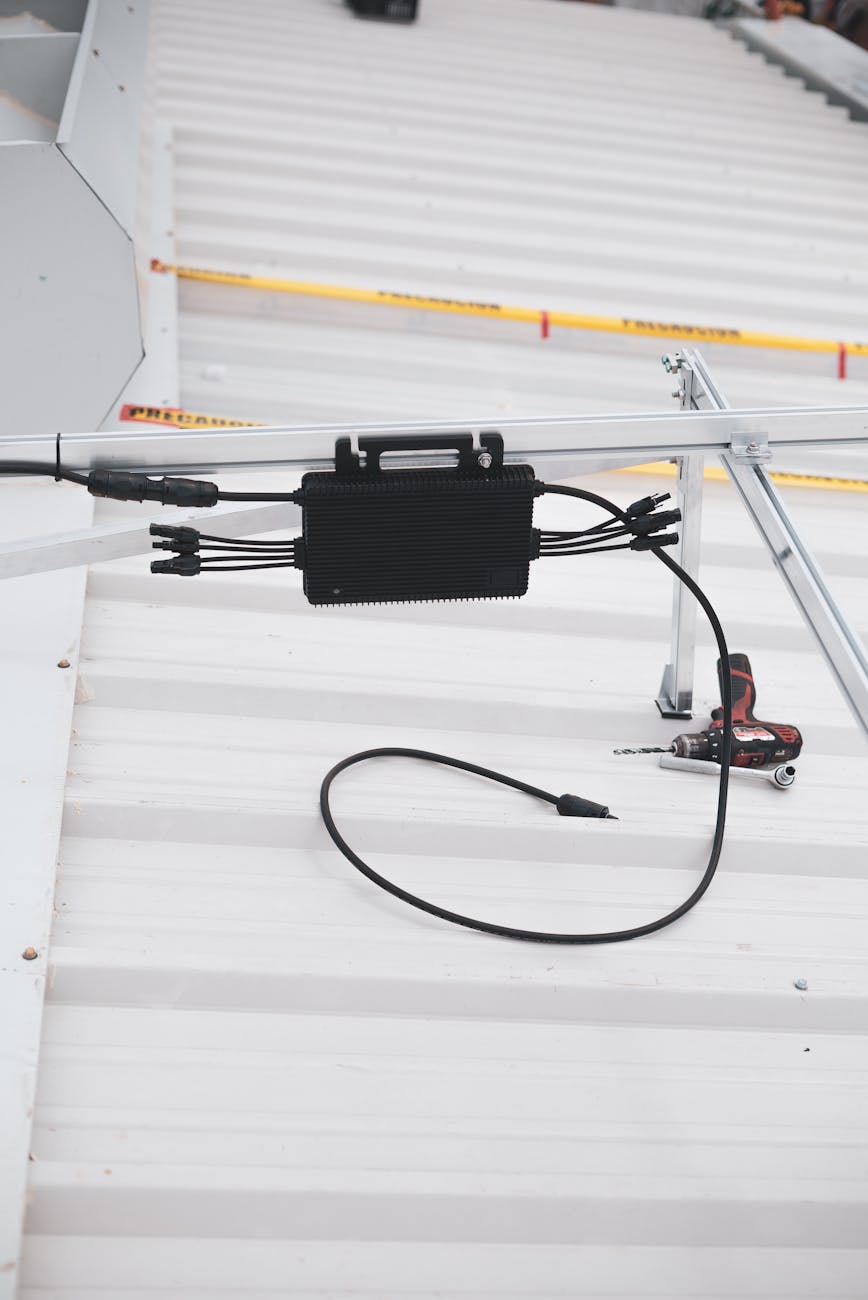
Inverters convert the direct current (DC) from solar panels into alternating current (AC) used by most appliances. Charge controllers regulate the voltage and current coming from the solar panels, crucial for battery health. Understanding the role of inverters and solar charge controllers can help you make cost-effective decisions.
Potential savings and return on investment
While the initial costs can be substantial, the potential savings on energy bills over time can offset these expenses. By generating your own electricity, you reduce or eliminate reliance on generators or campground hookups, leading to significant savings, especially during extended trips.
Calculating the payback period
The payback period is the time it takes for your savings to equal the initial investment. This can vary based on your energy usage, the cost of alternatives, and the efficiency of your system. Typically, RV owners see a return on investment within a few years.
Factors influencing savings
Several factors can influence your savings, including the efficiency of your solar panels, the amount of sunlight available, and your energy consumption habits. Implementing tips for maximizing solar efficiency can help enhance your savings.
Making cost-effective choices
To ensure your RV solar system investment is cost-effective, it’s important to balance the initial costs with long-term savings. This involves choosing the right components, installing them correctly, and performing regular maintenance.
Choosing the right system
Researching and selecting the right system for your needs is critical. Consider the top RV solar systems for maximum efficiency, which can guide your choice based on budget and power requirements.
Installation and maintenance
Proper installation is crucial for system efficiency and longevity. Consider following a step-by-step installation guide to ensure a successful setup. Regular maintenance of your RV solar system is also vital to optimize performance and extend the system’s lifespan.
By understanding the initial costs and potential savings of an RV solar system, you can make informed decisions that align with your financial goals and lifestyle. Investing wisely in the right components and maintaining your system effectively can lead to significant long-term savings and a sustainable energy solution for your travels.