
Author

Maximize Space in Your RV for Sustainable Living
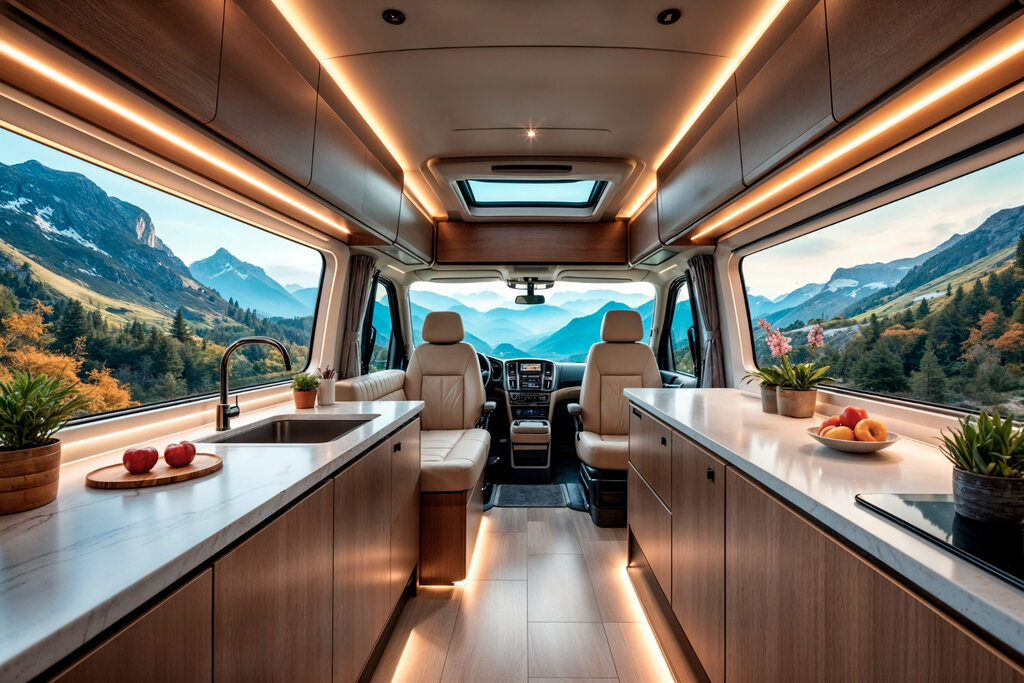
One of the biggest challenges when traveling in an RV is space. While RVs offer the freedom to travel at your own pace, they often come with limited space that can make it difficult to live comfortably, especially if you’re looking to make your RV lifestyle eco-friendly. But fear not maximizing space in your RV is entirely possible with a little creativity and some clever design choices.
In this article, I’ll share some practical tips for optimizing space in your RV while maintaining sustainability. Whether you’re a seasoned RVer or new to RV life, these strategies will help you create a more efficient, comfortable, and eco-friendly home on wheels.
Why Space Optimization is Crucial for Eco-Friendly RV Living
Space optimization goes beyond just making your RV look tidy it’s about creating a sustainable living environment that allows you to minimize waste, reduce energy use, and live comfortably. The more efficiently you can use your RV’s space, the fewer unnecessary items you’ll need to store, which means less waste and fewer resources spent on maintaining or transporting things you don’t actually need.
For example, when I first started RVing, I was overwhelmed by how much stuff I thought I needed. Over time, I realized that living simply and optimizing space helped me live more sustainably. Fewer items meant less energy spent on organizing, storing, and cleaning, which allowed me to focus more on enjoying the journey.
1. Use Multi-Functional Furniture
One of the easiest ways to save space in your RV is by investing in multi-functional furniture. Pieces that serve more than one purposelike a sofa that turns into a bed, or a table that doubles as a workspace and dining areacan make a big difference in maximizing your space.
When I first set up my RV, I made the mistake of packing too much furniture. After replacing a few bulky items with multi-functional pieces, I was amazed at how much more room I had to move around. For instance, I swapped out a traditional bed frame for a Murphy bed, which folds up into the wall during the day, giving me more floor space for other activities. A small foldable desk serves as my work area during the day and a dining table at night.
2. Optimize Storage with Clever Solutions
Storage is key when it comes to RV living. It’s easy to feel cramped when your belongings are scattered everywhere, but with a few clever storage solutions, you can keep your space organized and clutter-free.
For example, I installed overhead cabinets and used under-bed storage bins to keep things out of sight. Adding shelving units or hooks on the walls is a great way to store small items like kitchen utensils, clothing, or even outdoor gear. You’d be surprised how much space you can free up by going vertical.
Another great space-saving tip is to use collapsible containers or stackable bins for storage. These can be easily stowed away when not in use and provide a lot of flexibility when packing your RV.
3. Declutter and Go Minimalist
One of the most important aspects of space optimization is minimizing the number of items you bring with you. When you live in an RV, every inch of space counts, and unnecessary clutter only makes your space feel smaller.
For a long time, I held onto things I thought I “might need” during my travels, only to realize that most of them were just taking up precious space. By adopting a minimalist approach, I was able to reduce my possessions and make my RV feel more open and airy. This not only created more space but also helped me maintain a simpler, more sustainable lifestyle by reducing my environmental impact.
4. Use Smart Layouts for Sleeping Areas
Sleeping arrangements are one of the most important factors to consider when optimizing space. Depending on your RV, you might have a permanent bed, a fold-out sofa, or a convertible sleeping area.
I opted for a convertible sleeping area, which allows me to use the space for other activities during the day. For example, I can fold up the bed and set up a small yoga area or turn it into a workspace. If you’re traveling with family or friends, bunk beds or Murphy beds can also be great options for saving space while still providing a comfortable sleeping area.
If you’re looking for a more permanent sleeping solution, look into lofted beds that are elevated off the ground, freeing up space for seating or storage underneath.
5. Install Space-Saving Kitchen Solutions
The kitchen is another area where space can quickly become tight. Cooking in a small space requires careful planning, but with a few adjustments, you can create a functional kitchen that doesn’t feel cramped.
In my RV, I installed a pull-out pantry and compact, stackable kitchen containers to save space. I also use a foldable sink and compact cooking appliances like a single burner stove, which can be tucked away when not in use. Choosing a smaller fridge that uses solar power has also helped me save space and energy, allowing me to store only the essentials and keep my kitchen efficient.
6. Incorporate Eco-Friendly Materials
Space optimization isn’t just about how you organize your things it also involves making conscious choices about the materials you use. By opting for eco-friendly, lightweight materials, you can reduce your RV’s overall weight and energy consumption while also contributing to a more sustainable lifestyle.
I replaced several heavy plastic storage containers with bamboo shelves, which are both lightweight and durable. I also opted for natural fabrics like cotton and linen for my bedding and upholstery. These materials are not only more eco-friendly but also help reduce your RV’s overall environmental impact.
7. Maximize Outdoor Space
When you’re traveling in an RV, you don’t have to limit yourself to the confines of your vehicle. Make use of your outdoor space to expand your living area. A well-designed outdoor living area can provide a comfortable space for dining, relaxing, or even working, without taking up any valuable indoor space.
For example, I use a collapsible outdoor table and foldable chairs, which I can easily store when not in use. Adding a small awning or tent can also extend your living space, creating a shaded area to enjoy meals or hang out without crowding the RV itself.
8. Utilize Renewable Energy Systems for Efficiency
In addition to optimizing space, integrating renewable energy systems like solar panels can make your RV more efficient and eco-friendly. Solar panels help you power your lights, fridge, and other essential appliances without relying on traditional power sources or fuel.
With the addition of solar power, I’ve been able to reduce my reliance on generators and electricity from campsites. The solar panels charge my battery bank, which powers everything in the RV, allowing me to stay off-grid for longer periods.
To discover more eco-friendly RV tips that help minimize waste and conserve resources, check out our Eco-Responsible RV Travel: The Ultimate Guide to Sustainable Adventures on the Road.
For tips on eco-friendly campsites, refer to our article on Best Eco-Friendly RV Campsites and Destinations.
2 thoughts on “Maximize Space in Your RV for Sustainable Living”