
Author
Before you renovate, you need to understand the system. A plain-English breakdown of RV bathroom plumbing, black and gray water tanks, odor control, and the daily habits that keep everything running smoothly.
RV BathroomHolding TanksRV PlumbingWaste Management12 min read
If you’ve ever Googled “why does my RV bathroom smell” at 11 PM in a campground parking lot, you’re in good company. RV bathrooms are one of the most misunderstood systems in any recreational vehicle and also the most punishing when neglected.
This guide exists as a companion to the hands-on renovation work you may already be planning. Before you swap a showerhead or reroute a water line, it pays to understand exactly how the RV plumbing system works, what happens to your wastewater, and the maintenance habits that prevent expensive disasters down the road.
How RV Bathroom Plumbing Works: The Big Picture
An RV bathroom operates on the same basic principle as a household bathroom water in, wastewater out but the infrastructure is radically different. Instead of connecting to a municipal sewer system, your camper bathroom manages all wastewater internally using a two-tank system: a black water tank for toilet waste and a gray water tank for sink and shower drain water.
Fresh water enters your RV through one of two sources: a city water hookup at a campsite, or your onboard fresh water tank filled before or during a trip. From there, the RV plumbing system routes pressurized water to your RV shower, RV toilet, and sink just like home, but through much lighter PEX tubing rather than copper pipe.
Fresh water in
City hookup or onboard fresh tank (via pump)
Gray water out
Sink + shower drain → gray water tank
Black water out
RV toilet flush → black water tank
Tank dump
At dump station or full-hookup site sewer inlet
Understanding this system matters because nearly every RV bathroom problem odors, clogs, sensor failures, drain backups traces back to how these tanks are managed. The renovation upgrades are the fun part. The RV waste management habits are what make them last.
RV Bathroom vs Household Bathroom: What’s Actually Different
The differences go deeper than size. Here’s what makes an RV bathroom its own ecosystem:
- No direct sewer connection. Waste doesn’t go away immediately it accumulates in holding tanks until you dump. That changes everything about how you use the toilet and manage odor.
- Limited water supply. Whether you’re boondocking on 30 gallons or hooked up to city water, RV shower water usage is a constant calculation that household showers don’t require.
- Weight sensitivity. Every gallon of water weighs 8.34 lbs. Full holding tanks add hundreds of pounds. This affects your payload capacity, tire load, and fuel economy.
- Ventilation challenges. RV bathrooms are tight spaces with minimal airflow. Moisture control in RV environments is critical for preventing mold, mildew, and structural damage behind walls.
- Specialized products only. Standard household toilet paper, cleaners, and drain products can damage your RV plumbing system, clog tank sensors, or disrupt the bacterial treatment that breaks down waste.
The RV Toilet: How It Works and What You Can Flush
How an RV toilet flush actually works
Most RV toilets use a foot-pedal mechanism rather than a gravity tank. A partial press on the pedal adds water to the bowl; a full press opens a blade valve at the base, dropping waste directly into the black water tank below. Unlike home toilets, which use a siphon flush, the RV toilet flush is a direct drop which is why the trap below it seals with a rubber gasket, not a water trap.
That gasket is critical. When it dries out which happens during storage or dry stretches — sewer gas from the black tank escapes directly into your camper bathroom. Keeping the bowl with a small amount of water after each use maintains that seal and is one of the simplest RV odor control habits you can adopt.
What can you flush in an RV toilet? Only human waste and RV-safe (rapid-dissolving) toilet paper. Nothing else. No wet wipes labeled “flushable,” no paper towels, no feminine hygiene products, no standard household toilet paper. These don’t break down in a black water tank and create the clogs and sensor buildup that cause the most common RV bathroom problems.
RV black tank rules every owner should know
The black water tank is the most mismanaged component in most RVs. These rules prevent the majority of problems:
- Always dump the black tank before the gray tank. The gray water rinses residue from the sewer hose connection.
- Never leave the black tank valve open at a full-hookup site. This is the most common mistake new RVers make. Without liquid, solid waste builds up into a “poop pyramid” that can require professional cleaning to remove.
- Add water after every dump. After emptying the black water tank, add 2–3 gallons of fresh water and a dose of enzyme or bacteria treatment before moving on. This keeps the biological breakdown process active.
- Dump only at appropriate facilities. This means designated RV dump stations, campground sewer hookups, or some gas stations with dump facilities. Never into storm drains, rivers, or unprepared ground.
Tips for Maintaining the Gray Water Tank: The Overlooked Half
Most RVers obsess over black tank health while neglecting the gray water tank until the day the sink starts backing up or the tank vent starts smelling like a drain trap. Gray water from your RV shower and sink contains grease, soap scum, hair, food particles, and skin cells. Over time, these accumulate on tank walls and can generate odors nearly as unpleasant as the black tank.
Gray tank maintenance that actually works
- Use RV-safe, biodegradable soaps and shampoos. Standard soaps leave residue that coats the tank interior and fouls sensors.
- Add a gray tank deodorizer treatment monthly the same enzyme-based products used for black tanks work well.
- Run a full tank of hot water through the gray tank periodically, then dump, to flush accumulated grease from the walls.
- Never pour cooking grease or food scraps down the sink drain. This should go without saying, but gray tanks clogged with solidified grease are a real and expensive repair.
- Dump the gray tank every 3–5 days when camping, or sooner if it fills. Don’t let it sit full in heat decomposition accelerates fast.
How to Keep Your RV Bathroom Odor Free
RV odor control is less about masking smells and more about eliminating the conditions that cause them. The three main sources of RV bathroom odors are: a dry toilet seal (letting black tank gas in), bacterial growth in improperly maintained tanks, and inadequate ventilation pulling tank air back into the cabin.
RV bathroom odor checklist
- Keep a small amount of water in the toilet bowl at all times to maintain the blade gasket seal
- Use enzyme or bacteria-based tank treatments avoid formaldehyde products, which kill the beneficial bacteria you actually need
- Upgrade the roof vent with a 12V fan unit that creates negative pressure, drawing odors up and out rather than into the cabin
- Check tank vent pipes annually for blockages a blocked vent forces gases back through the toilet
- Never use bleach in your holding tanks it kills the biological treatment and damages seals over time
- Deep clean RV holding tanks at the end of each season using a dedicated tank flush wand
How to Clean RV Holding Tanks: The Annual Flush Process
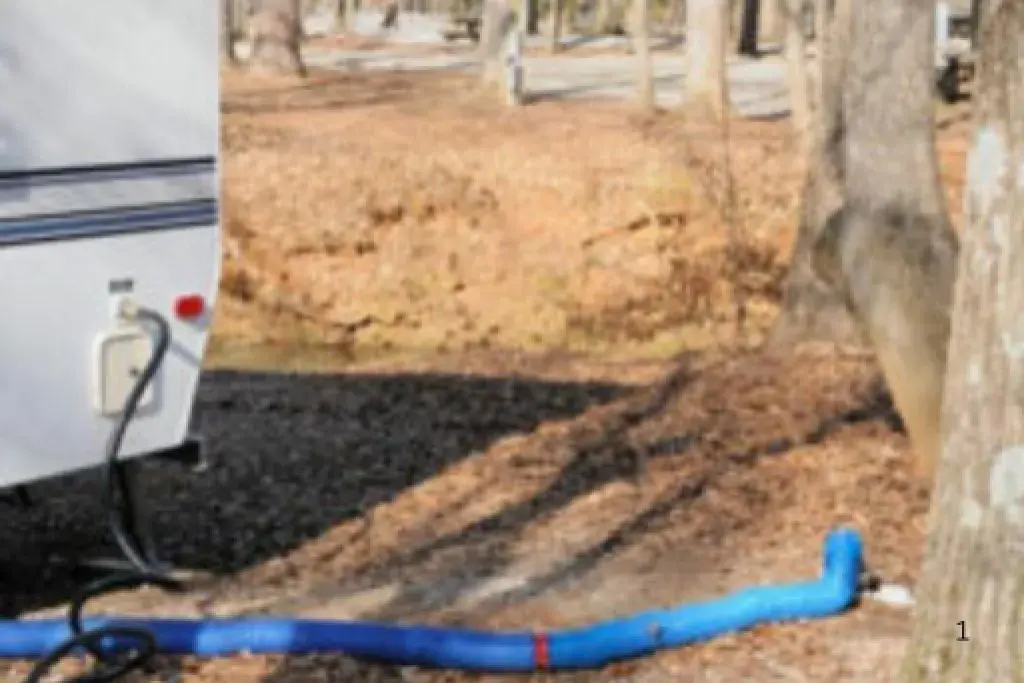
A tank flush wand a long rigid tube that attaches to your water hose is the most effective RV tank cleaning tool available. Inserted through the toilet, it lets you direct a pressurized stream of water at tank walls to break up buildup and rinse sensors. This annual process, done properly, is what keeps tank level sensors accurate and odors manageable long-term.
RV tank sensor cleaning: why sensors fail and how to fix it
Most RVers eventually find that their black tank sensors read “full” even after a dump. The cause is almost always a coating of waste, toilet paper, or soap residue on the sensor probes that extends from the tank wall. There’s no electrical failure it’s just crud.
The fix is a dedicated sensor cleaning treatment (several enzyme products are formulated specifically for this) combined with a good physical flush with the wand. Consistent use of RV-safe toilet paper and proper enzyme treatment throughout the season is what prevents buildup in the first place. RV clog prevention is overwhelmingly a product-choice issue the right toilet paper and the right tank treatment eliminate most sensor and clog problems before they start.
RV Shower Water Usage Tips for Dry Camping
At a full hookup campsite with unlimited fresh water and an open sewer connection, water management is a non-issue. The moment you go off-grid boondocking in the desert, dispersed camping in a national forest, or dry camping in a parking lot every gallon becomes a calculation.
Practical RV shower water usage tips for boondocking
- The navy shower method: Wet down (30 seconds), turn off water, soap up, rinse (60 seconds). A practiced navy shower uses around 2 gallons vs. a typical RV shower’s 8–12.
- Install a low-flow showerhead with a pause valve. A pause valve lets you stop flow mid-shower without losing your temperature setting at the water heater. Combined with an efficient showerhead, it’s the single biggest water-saving upgrade available.
- Use a ShowerMiser-style diverter to recover the cold startup water that would otherwise run down the drain before hot water arrives. On a family RV, this can recover 1–2 gallons per shower meaningful over a 3-day boondocking stay.
- Track your gray tank level carefully. During dry camping, it’s often the gray tank not the fresh tank that ends the trip. An RV shower using 8 gallons fills a 30-gallon gray tank in less than 4 family showers.
- Pre-rinse dishes with a spray bottle rather than running the sink tap, saving the gray tank capacity for actual bathing.
RV Bathroom Maintenance Schedule: What to Do and When
| Frequency | Task | Why it matters |
|---|---|---|
| Every dump | Add enzyme treatment + 2–3 gal water to black tank after dumping | Maintains active biological breakdown, prevents pyramid buildup |
| Weekly | Inspect toilet blade gasket for drying or cracking | Dry gasket = sewer gas in cabin; a $10 fix vs. a chronic odor problem |
| Monthly | Gray tank deodorizer treatment | Controls soap scum and grease buildup on tank walls and sensors |
| Monthly | Check all sink, shower, and toilet connections for slow drips | RV plumbing leaks in confined spaces cause fast structural damage |
| Seasonally | Full tank flush with wand + deep sensor cleaning treatment | Restores sensor accuracy; prevents end-of-season odor and residue hardening |
| Annually | Inspect roof vent pipe for blockages or cracks | Blocked vents force tank gas back into the cabin through the toilet |
| Before winter storage | Winterize water lines + fully dump and treat both tanks | Frozen pipes and sitting waste are the two most common off-season damage causes |
RV hygiene routines look different than home routines especially when multiple people share the same 40-square-foot bathroom. The habits that work for weekend trips don’t always scale to full-time living. A few adjustments make a significant difference:
- Ventilate actively during and after showers. Run the roof vent fan during every shower and for 10 minutes afterward. RV bathroom moisture control is critical condensation trapped behind fiberglass walls causes mold that’s expensive and difficult to remediate.
- Use quick-dry towels. Microfiber towels dry completely between uses, drastically reducing the ambient humidity that makes small RV bathrooms feel damp and musty.
- Wipe down shower walls after each use. A 30-second squeegee pass after showering removes most of the water that would otherwise contribute to long-term moisture damage and mildew odor.
- Rotate RV cleaning products carefully. Many standard household cleaners particularly bleach-based products damage the RV toilet’s rubber seals, degrade ABS plastic fixtures, and destroy the beneficial bacterial colonies in your holding tanks. Use RV-specific or biodegradable products throughout the bathroom.
No. Standard household toilet paper does not dissolve quickly enough to break down in a black water tank and is the leading cause of clogs and sensor fouling. Use toilet paper specifically labeled “RV safe” or “septic safe” and do a simple dissolution test: drop a few squares in a jar of water, shake for 15 seconds, and check whether it breaks up. If it stays in sheets, find a different brand.
How often should I dump my RV holding tanks?
Dump the black water tank when it reaches two-thirds full, never when completely full. Waiting until full makes solid waste harder to flush out and increases the chance of overflow. The gray water tank can run slightly fuller since it contains no solid waste, but should still be dumped every 3–5 days during regular use.
Why does my RV bathroom smell even after dumping?
The most common cause is a dry or damaged toilet blade gasket allowing black tank gas to escape into the cabin. Other causes include a blocked roof vent pipe, inadequate tank treatment allowing anaerobic bacteria to dominate (which produces hydrogen sulfide), or residual waste coating the inside of a tank that hasn’t been properly flushed in multiple seasons.
What’s the difference between a black water tank and a gray water tank?
The black water tank receives waste from the RV toilet only. The gray water tank collects wastewater from all other drains the sink and the RV shower. In most states, gray water has different (often less restrictive) disposal regulations than black water, which must always be dumped at an approved facility.
How do I fix inaccurate RV tank sensors?
In most cases, the sensors are accurate but coated with waste residue or soap buildup that triggers a false “full” reading. Fill the tank with water and a dedicated sensor-cleaning enzyme product, let it sit for several hours while driving (the sloshing helps), then dump. Repeating this process 2–3 times usually restores accurate readings. Consistent use of RV-safe products throughout the season prevents the buildup from returning.
Is it safe to use the RV shower every day?
Yes with proper water and tank management. On full hookups, daily showers are no different from showering at home. When boondocking, a disciplined approach to RV shower water usage (short navy-style showers, a low-flow showerhead, and tracking gray tank capacity) makes daily showers sustainable even on a 30-gallon fresh water supply.
This guide is a companion to the hands-on RV bathroom renovation series. Understanding how RV wastewater management and plumbing work makes every upgrade decision from showerhead selection to shower door weight more informed and more effective. giave me Focus Keyword09 DIY RV Bathroom Renovation Ideas That Actually Work (From a Family That Lives on the road)
Related RV Guides

Published on April 8, 2026
Michael Carter
Michael Carter covers RV solar, batteries, and power systems for RVGeo, focusing on component specs, wiring safety, and system sizing. His guides break down solar arrays, charge controllers, inverters, and battery banks using manufacturer documentation and verified pricing, with an emphasis on the electrical safety fundamentals that matter most in a moving vehicle.
This post contains affiliate links. If you make a purchase through these links, we may earn a commission at no extra cost to you.