
Author

How Long Will Your RV Battery Last
RV battery life does not depend on battery size alone. It depends on your daily power usage, battery chemistry, depth of discharge, inverter losses, weather, charging habits, and the way your whole electrical system is planned.
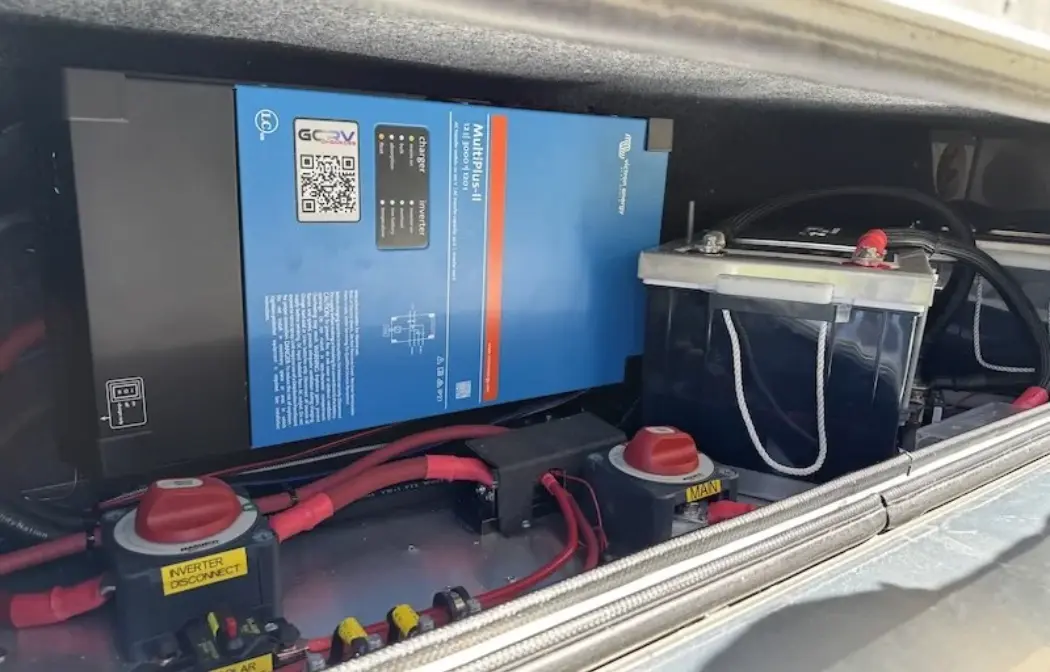
Quick answer
Your RV battery lasts as long as it can support your real energy use before reaching an unsafe or impractical discharge level. That means battery runtime is not just about amp-hours on paper. It is about how much power you use, how often you use AC appliances, how efficient your inverter is, and how much of the battery capacity is actually usable.
Many RV owners ask how long their battery will last without first calculating daily consumption. That is why battery runtime often feels unpredictable. A system becomes easier to trust when you understand the relationship between battery capacity, real loads, and recharge conditions.
If you want a more accurate answer, you need to estimate your daily energy demand first, then compare it with usable battery capacity instead of relying on battery labels alone.
How long will an RV battery last?
An RV battery lasts until your energy usage consumes the usable battery capacity available in your system. The actual runtime depends on battery size, battery chemistry, depth of discharge, inverter losses, temperature, and the appliances you run during the day or overnight.
Why RV battery life feels confusing
Battery life is often discussed as if one number answers everything. In reality, two RV owners with the same battery bank can get very different results. One may only charge phones, run lights, and power a fan. Another may use a microwave, laptop, router, coffee maker, and other loads through an inverter. The second setup drains usable energy much faster.
This is why battery runtime should always be tied to actual usage. A battery is only one part of the system. Without understanding your daily power demand, battery life estimates stay vague and often misleading.
What changes battery runtime the most
- Battery chemistry and usable capacity.
- Total daily watt-hours consumed.
- AC appliances running through an inverter.
- Depth of discharge you are willing to use.
- Battery age and temperature conditions.
- Whether you recharge during the day with solar, alternator, or shore power.
In other words, asking how long an RV battery lasts is really asking how balanced your whole mobile power system is.
Battery runtime starts with usable energy, not marketing numbers
One of the biggest mistakes in RV battery planning is assuming the battery label tells the whole story. It does not. What matters is how much energy is actually usable without damaging the battery or creating poor system performance. That is why the same rated battery bank can deliver very different real-world results depending on chemistry, system losses, and usage habits.
If you are trying to estimate how long your RV battery will last, start with realistic usable energy and realistic daily demand. That approach gives you a much stronger result than guesswork.
Start with your daily power usage
Before estimating battery runtime, define what you actually use each day. Lights, laptops, routers, fans, phone charging, refrigeration, and occasional AC appliances all add up differently. A battery bank that feels generous on paper can become small very quickly if your daily usage is underestimated.
That is why the first smart step is always to estimate your real daily demand. If you have not done that yet, start with How to Calculate Your RV Power Needs.
Usable capacity matters more than rated capacity
Not all battery capacity is equally usable in practice. Some battery chemistries tolerate deeper discharge much better than others. That changes how long the battery can support your loads before performance drops or long-term battery health is affected.
This is one reason why battery chemistry comparisons matter. If you are still choosing battery type, see Lithium vs AGM Batteries for RV Use.
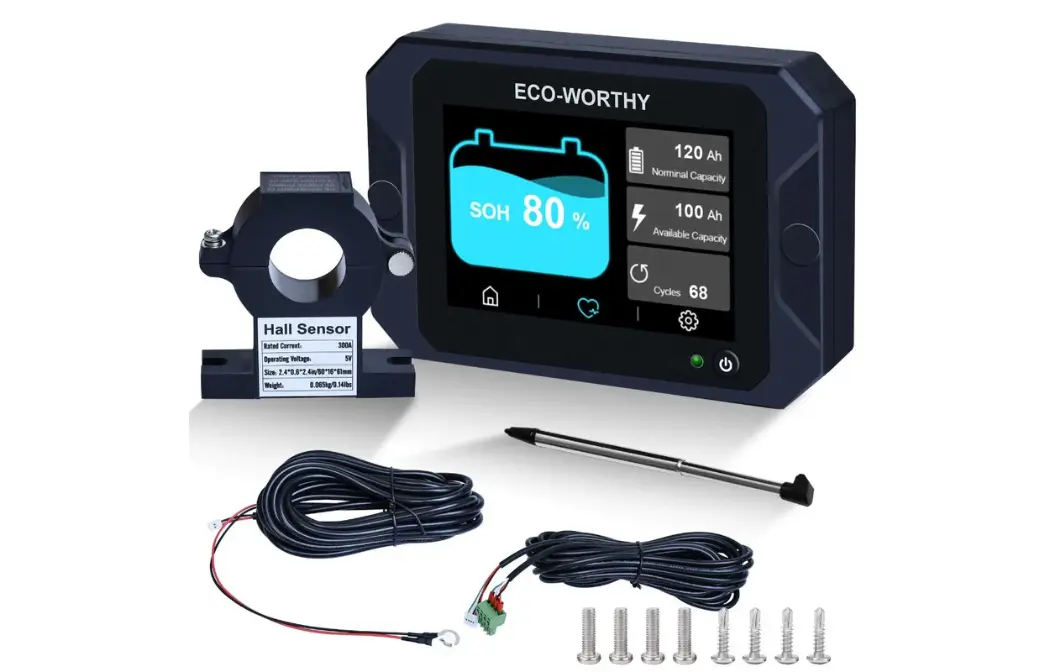
Battery runtime becomes much easier to understand when you monitor real state of charge and compare it with actual usage habits.
Simple way to think about RV battery runtime
Light daily use
If you mainly use lights, charge devices, and run a few low-draw electronics, battery runtime can feel surprisingly comfortable, especially when some solar charging happens during the day.
Moderate daily use
Add laptops, fans, router use, longer screen time, or moderate AC appliance use, and battery runtime becomes much more dependent on usable capacity and charging consistency.
Heavy daily use
If you rely on microwave sessions, coffee makers, induction cooking, or other high-draw AC loads, the battery drains much faster and the inverter becomes a major factor in total energy loss.
Why the inverter changes battery life
Many RV owners focus only on battery size and forget that AC devices run through an inverter. Inverters introduce conversion losses, and high-power AC appliances can drain a battery bank much faster than expected.
This is exactly why inverter planning matters. If you have not reviewed it yet, read Best Inverter Size for Van Life and RV Travel.
Charging changes the answer too
Battery runtime is not only about how fast energy leaves the system. It is also about how reliably it comes back. Solar, alternator charging, shore power, and generator use all influence whether your battery feels sufficient over multiple days.
A battery bank that looks small on paper may still work well if charging is frequent and consistent. A larger bank can still feel weak if recharge conditions are poor.
Common mistakes when estimating how long an RV battery will last
Ignoring daily energy demand
Battery runtime guesses fail when energy usage is vague. Estimating battery life without a real load profile almost always creates false confidence.
Forgetting inverter losses
AC loads do not draw only their visible wattage. Conversion losses increase total drain on the battery.
Using unrealistic ideal conditions
Some people estimate battery runtime as if weather is perfect, batteries are new, and charging always works. Real travel conditions are rarely that neat.
Mixing battery label with usable capacity
The rated number is not always the practical number available day after day.
Overestimating solar recovery
Solar input depends on weather, parking angle, shade, season, and roof layout. Weak recovery makes battery drain feel worse.
Ignoring long-term system balance
If your battery, solar input, and inverter do not match real use, runtime will stay frustrating no matter how large one component looks in isolation.
How to get a better battery runtime estimate
The best approach is simple. First, estimate your daily watt-hour usage. Second, compare that demand with the usable energy in your battery bank. Third, account for inverter losses if you run AC appliances. Fourth, look honestly at how much recharge you can expect from solar, alternator charging, or shore power.
If you are still unsure whether your battery bank is large enough, the next useful step is How Much Battery Do You Really Need?.
If you want a more structured system-level approach instead of isolated guesses, see The Smart Method for Mobile Power.
Frequently asked questions
How long will a 100Ah RV battery last?
It depends on chemistry, usable capacity, and your actual daily energy draw. The same 100Ah label can produce very different real-world runtime depending on how the battery is used.
Why does my RV battery drain faster than expected?
Common causes include underestimated energy use, inverter losses, aging batteries, weak recharge conditions, and unrealistic expectations about what the system can support.
Does lithium make RV battery life longer?
In many cases, lithium improves usable capacity and practical performance, but the result still depends on total system design and actual energy demand.
Can solar make my battery last all day?
Solar can extend runtime significantly, but only if panel production, weather conditions, and charging efficiency are strong enough to match your consumption.
What to read next
A battery lasts longer when the system around it makes sense
The right question is not only how long your RV battery will last. The better question is whether your energy usage, battery bank, inverter, and recharge strategy are working together. When they are balanced, battery life becomes easier to predict and much less stressful on the road.
That is why the most reliable battery runtime estimate starts with system planning, not hope.