

Author

Full-time RV insurance claims: What to expect
Living on the road in a recreational vehicle (RV) offers freedom and adventure, but it also requires adequate protection through full-time RV insurance. Understanding the claims process is crucial for navigating unexpected situations effectively. This article delves into the steps involved in filing a claim, the necessary documentation, and how insurers handle settlements, providing tips for ensuring a smooth claims experience.
Understanding the claims process
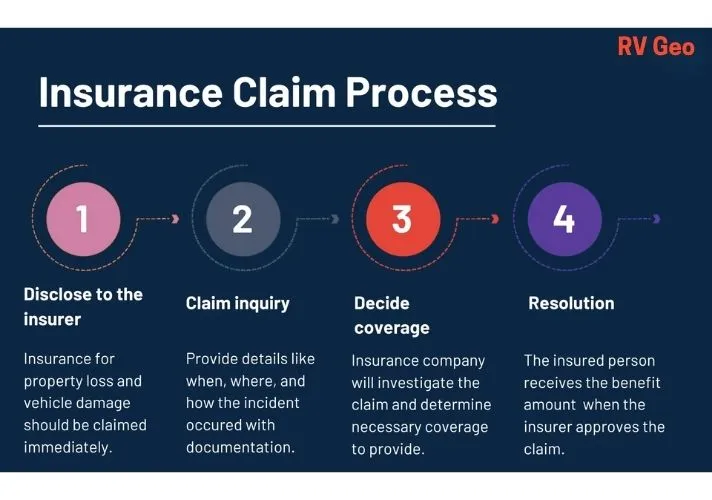
The claims process for full-time RV insurance can seem daunting, especially if you’re unfamiliar with the steps involved. Here’s a breakdown of what to expect:
Filing a claim
When an incident occurs, the first step is to file a claim with your insurance provider. This typically involves contacting your insurer via phone, online portal, or mobile app. Be prepared to provide details about the incident, including the date, time, location, and any parties involved. Having your policy number handy will expedite this process.
Documentation needed
Documentation is a critical part of the claims process. Commonly required documents include:
Proof of loss: This includes photos of the damage, police reports, and witness statements if applicable.
Estimates for repairs: Obtain quotes from repair shops to provide a cost estimate for the damages.
Medical reports: If there are injuries, medical documentation will be necessary to support your claim.
Ensuring you have all the necessary documents ready can significantly speed up the evaluation process by the insurer.
Insurer’s evaluation
Once your claim is filed and the documentation is submitted, the insurance company will evaluate the claim. This involves assessing the damage, reviewing the documents, and determining the coverage based on your policy. An insurance adjuster might inspect the RV to assess the extent of the damage.
Settlement process
After the evaluation, the insurer will decide on the settlement. This includes:
Approval or denial
Your insurer will inform you whether your claim is approved or denied. If approved, they will outline the settlement amount and how it will be paid. If denied, they should provide a reason, and you may have the option to appeal the decision.
Receiving the settlement
If your claim is approved, the insurer will issue a payment. This could be directly to you or to the repair shop, depending on your preference and the terms of your policy. Understanding the payment timeline and method is essential to manage your finances during this period.
Tips for a smooth claims process

Here are some tips to ensure a seamless claims experience:
Stay organized: Keep all documents, photos, and correspondence related to the incident in one place.
Communicate promptly: Respond to any requests from your insurer quickly to avoid delays.
Understand your policy: Know what your policy covers and any deductibles that apply.
Ask questions: Don’t hesitate to ask your insurer for clarification if you’re unsure about any part of the process.
By following these tips, you can navigate the claims process more effectively, ensuring that you have the support and compensation you need in times of need.
For more insights into choosing the right coverage, you might find How to choose the best full-time RV insurance policy helpful. Additionally, understanding the importance of liability coverage is crucial for comprehensive protection.