Author

The role of liability coverage in RV insurance
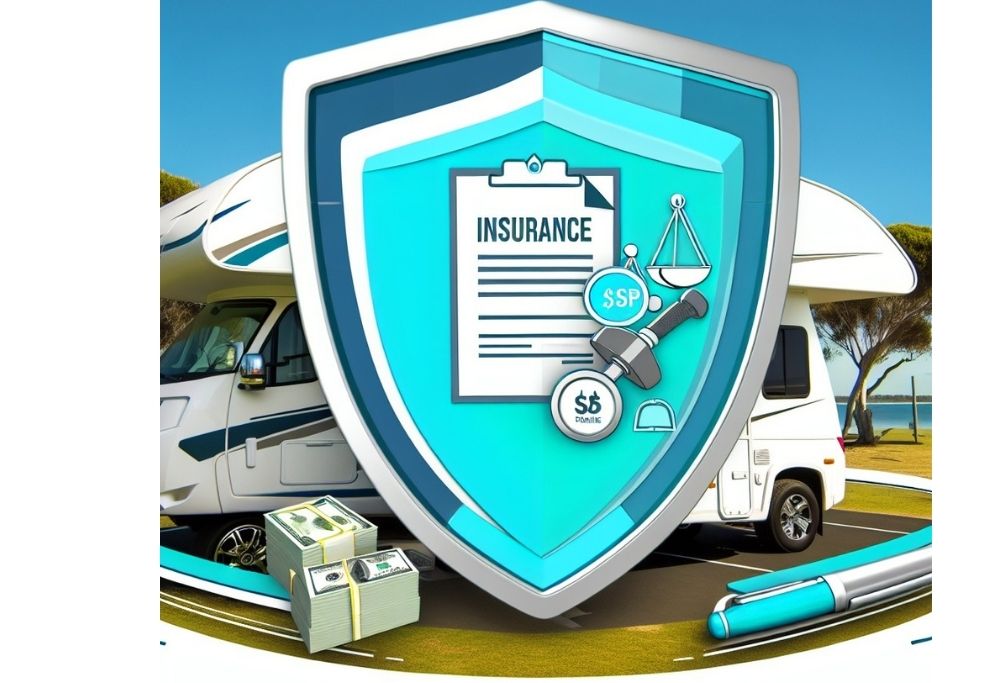
For RV owners, insurance is more than just a legal requirement it’s a vital tool for financial protection. Among the various components of RV insurance, liability coverage stands out as an essential safeguard against unforeseen events. This article explores the intricacies of liability coverage, its significance, and how it can protect RV owners from financial loss.
What is liability coverage in RV insurance?
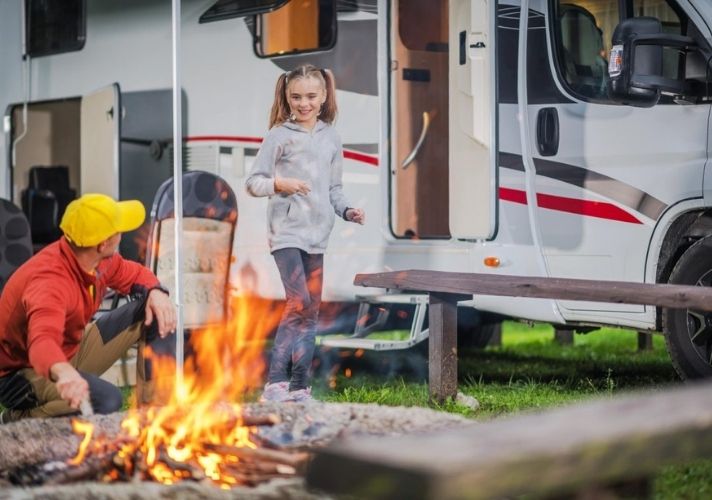
Liability coverage is a fundamental part of any insurance policy, and RV insurance is no exception. It is designed to protect you in case you are found legally responsible for causing injury or property damage to others during the use of your RV. This includes situations such as traffic accidents where you are at fault or incidents involving pedestrians.
Types of liability coverage
There are two main types of liability coverage included in RV insurance:
- Bodily injury liability: Covers medical expenses, loss of income, and legal fees if you are responsible for injuring someone with your RV.
- Property damage liability: Pays for damage to someone else’s property, such as their car, home, or other assets, caused by your RV.
Why liability coverage is crucial for RV owners
As an RV owner, ensuring you have adequate liability coverage is crucial for several reasons:
- Financial protection: Accidents can result in significant financial liabilities, including medical bills and repair costs. Liability coverage helps mitigate these expenses.
- Legal compliance: Most states require a minimum amount of liability coverage for RVs. Failing to meet these requirements can result in hefty fines and legal issues.
- Peace of mind: Knowing that you are protected against costly claims allows you to enjoy your RV adventures without constant worry.
How liability coverage works
In the event of an accident where you are at fault, your liability coverage will step in to cover the costs up to the policy limits. It’s important to note that these limits can vary, so choosing a policy with sufficient coverage is crucial. If the damages exceed your coverage limits, you could be responsible for paying the remaining costs out of pocket.
Determining the right amount of liability coverage
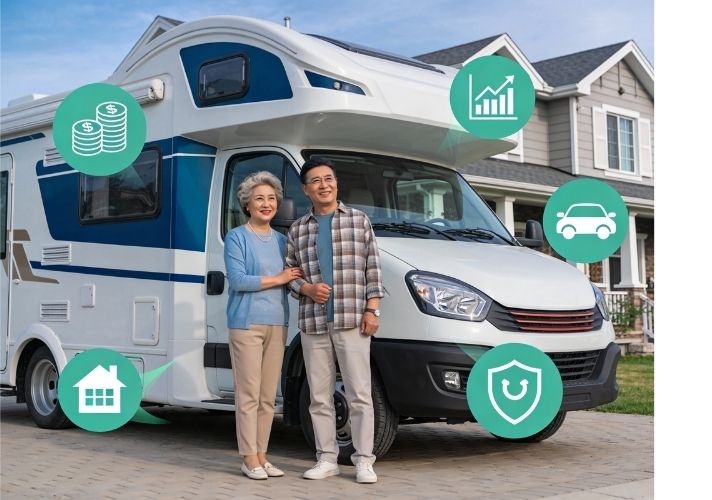
Determining the appropriate amount of liability coverage involves assessing your personal risk factors and financial situation. Consider factors such as the value of your assets, the cost of potential damages, and your tolerance for risk. Many RV owners opt for higher liability limits to ensure comprehensive protection.
Comparing liability coverage in different policies
When evaluating different RV insurance policies, it’s essential to compare the liability coverage options. Look at the coverage limits and exclusions to ensure the policy meets your needs. Consider using resources like How to Choose the Best RV Insurance Policy to guide your decision-making process.
Enhancing liability coverage with additional options
While liability coverage is a crucial component of RV insurance, consider enhancing your policy with additional options like:
- Uninsured/underinsured motorist coverage: Protects you if you are involved in an accident with a driver who lacks adequate insurance.
- Personal injury protection (PIP): Covers medical expenses for you and your passengers, regardless of fault.
Connecting liability coverage to broader RV insurance importance
Liability coverage is just one aspect of a comprehensive RV insurance policy. To gain a deeper understanding of the overall importance of RV insurance, explore The Importance and Benefits of RV Insurance: A Comprehensive Guide. This guide details how RV insurance protects your vehicle and well-being in various scenarios.
Protecting your adventures on the road
Investing in robust liability coverage is not just about compliance; it’s about ensuring your adventures on the road are protected. By understanding the role of liability coverage and integrating it effectively into your RV insurance plan, you can travel with confidence, knowing that you are safeguarded against the unexpected.« , »context_for_next_satellite »: »This article explains the importance of liability coverage within RV insurance, detailing how it protects RV owners from financial liabilities arising from accidents. It emphasizes the need for sufficient coverage limits and suggests complementing liability coverage with additional options like uninsured motorist coverage. »}