Author

Transforming your van into a self-sufficient RV requires the right power systems to ensure you have all the energy you need while on the road. Understanding the various power options available will help you create a setup that meets your specific travel needs. This guide will explore the benefits and drawbacks of solar panels, dual batteries, and generators, and provide tips on how to choose and install the right system for your RV.
Understanding RV power needs
Before diving into the different power systems, it’s crucial to assess your energy consumption. Consider the appliances and devices you plan to use in your van. Make a list of these items, along with their power ratings, to calculate your total energy needs. This will guide your choice of power system and help you determine the capacity required for your setup.
Solar panels for RVs
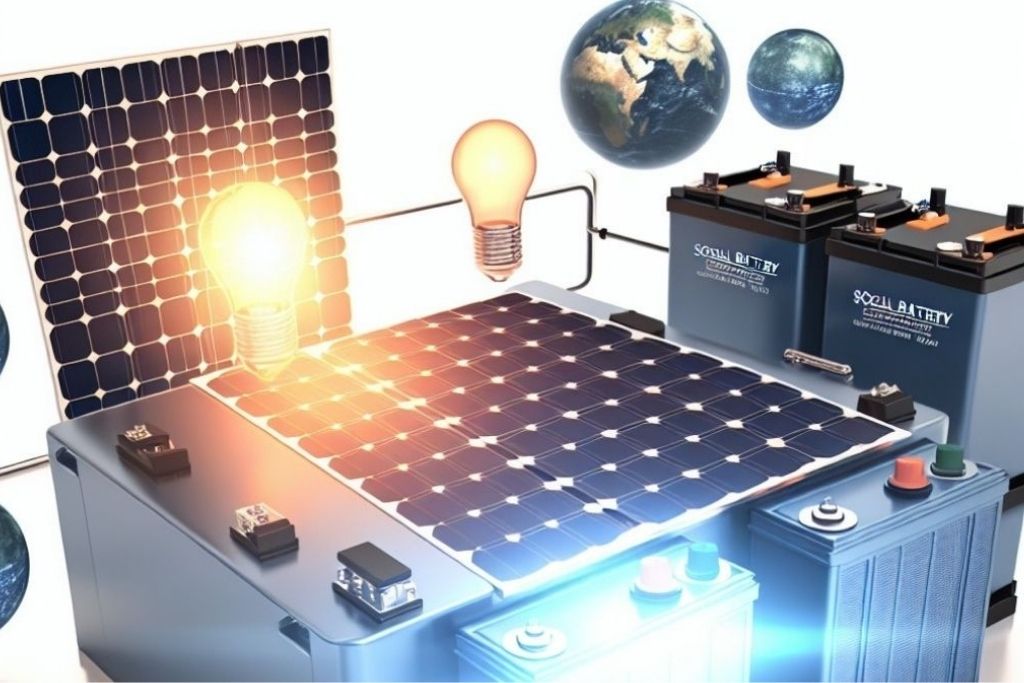
Solar panels are a popular choice for RV enthusiasts seeking a sustainable and renewable energy source. They convert sunlight into electricity, providing power during the day and storing excess energy in batteries for nighttime use. Here are some key considerations:
- Benefits: Solar panels are environmentally friendly and reduce reliance on fuel-based generators. Once installed, they require minimal maintenance and provide free energy.
- Drawbacks: Initial setup costs can be high, and their efficiency depends on sunlight exposure, which can be limited in cloudy or shaded areas.
- Installation tips: Position panels on the roof of your van for maximum sunlight exposure. Consider tilting mounts to adjust the angle for optimal efficiency.
Dual battery systems
Dual battery systems enhance your van’s power storage capability by using two batteries: one for starting the vehicle and another for auxiliary power. Here’s what you need to know:
- Benefits: Dual batteries prevent your main battery from draining, ensuring your vehicle can always start. They provide a reliable power source for appliances when parked.
- Drawbacks: Installation can be complex, and additional components like isolators or battery management systems are needed to manage charging.
- Installation tips: Choose the right type of batteries (AGM, lithium) based on your energy needs and budget. Install a battery isolator to manage charging between the batteries.
Generators for mobile power
Generators offer a powerful and flexible solution for RV power, especially when solar or battery systems are insufficient. Consider these factors:
- Benefits: Generators provide consistent power regardless of weather conditions and can handle high-wattage appliances.
- Drawbacks: They require fuel, produce noise, and need regular maintenance. Running a generator can also be expensive over time.
- Installation tips: Choose a quiet model to minimize noise pollution. Ensure proper ventilation to avoid carbon monoxide build-up.
Choosing the right system for your van
To select the most suitable power system for your RV, consider the following:
- Travel habits: If you plan on off-grid camping frequently, solar panels and dual batteries are ideal. For occasional trips, a generator might suffice.
- Budget: Weigh the initial costs against long-term savings. Solar panels have higher upfront costs but can save money on fuel in the long run.
- Space constraints: Evaluate the available space in your van for installing equipment without compromising living areas.
Maintenance and safety tips
Proper maintenance of your power systems is crucial for safety and efficiency:
- Regular checks: Inspect wiring, connections, and equipment for wear and tear regularly.
- Battery care: Monitor battery levels and charge them appropriately to extend their lifespan.
- Safety measures: Install carbon monoxide detectors if using generators, and follow manufacturer guidelines for all equipment.
By carefully selecting and maintaining your RV’s power systems, you’ll ensure a reliable and enjoyable travel experience, all while keeping energy consumption in check and minimizing environmental impact.« , »context_for_next_satellite »: »This article explored essential power systems for RVs, detailing solar panels, dual battery systems, and generators. It covered benefits, drawbacks, and installation tips, emphasizing energy consumption calculations and maintenance. This context will guide the next article on managing water storage in your camper van. »}